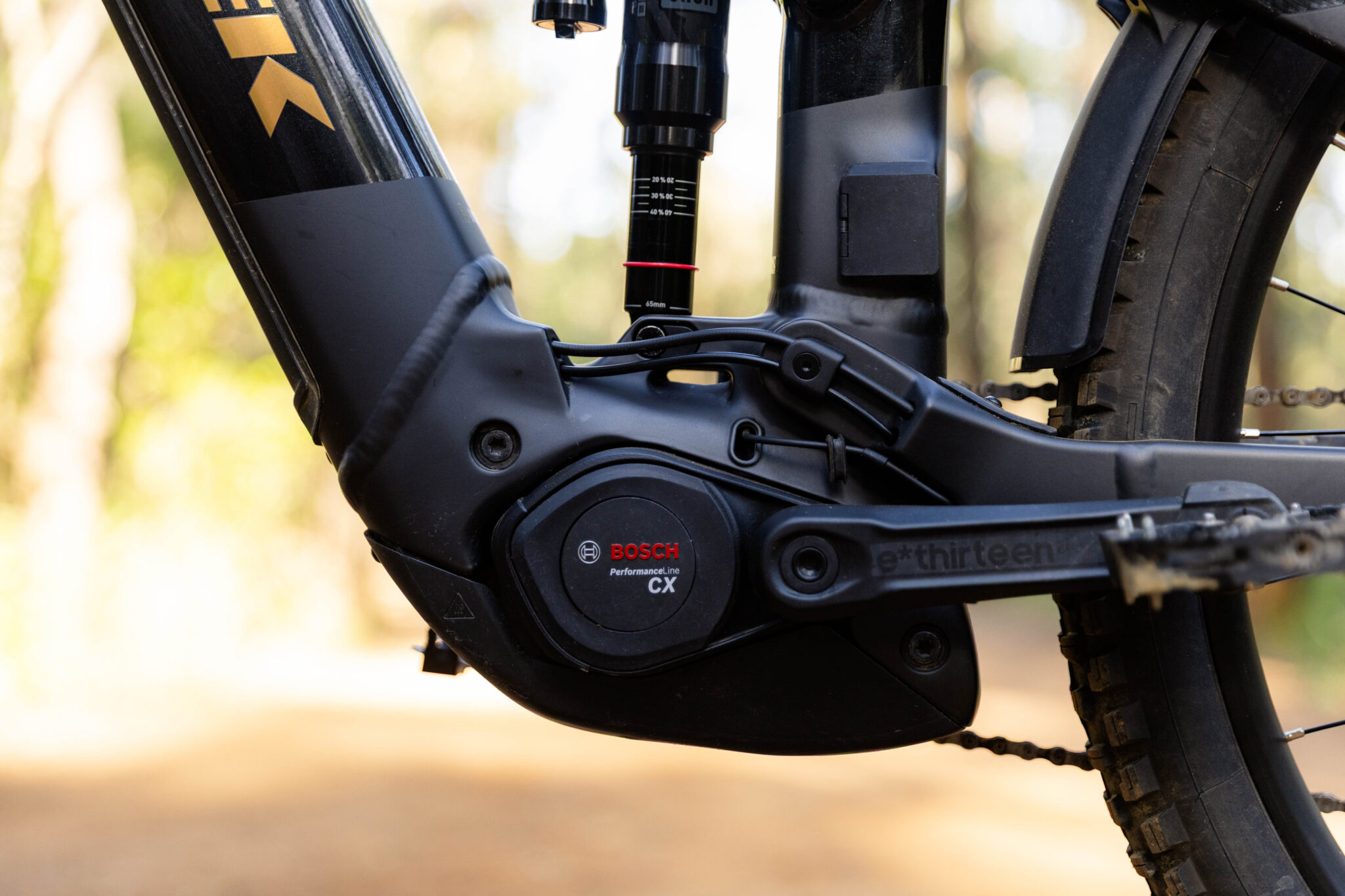
The new motor retained 85Nm of torque, delivered 600W peak power and 340% rider assistance, while shedding weight with a new magnesium housing that brought the motor down to just 2.8kg.
Performance Update 1.0 followed by unlocking 400% rider assistance and increasing peak power to 750W, bringing the standard CX motor much closer to the previously exclusive Performance Line CX Race motor.
Watch Anna’s Review of Bosch’s Performance 2.0 Updates
Now Bosch has released Performance Update 2.0. While the spec sheet once again lists bigger numbers, this update feels less like a numbers exercise and more like a genuine refinement of the riding experience.
The highlights include:
- Up to 120Nm of torque (manufacturer dependent)
- Up to 600% rider assistance in Race, Turbo, eMTB+, Cargo and Auto modes
- 750W peak power retained • Adjustable Extended Boost (overrun) of up to two metres
- Hill Hold and Hill Start Assist refinements • New drivetrain tensioner compatibility
- A new 12A Fast Charger, capable of charging a PowerTube 800Wh battery in as little as one hour.
Importantly, torque and assistance can now be customised within the Bosch Flow app, allowing riders to dial support up or down depending on the terrain or how natural they want the bike to feel.
TORQUE AND EXTENDED BOOST
I’ve spent extensive time riding the Bosch Performance Line CX Gen 4, the fifth- generation CX, and the Performance Update 1.0 software. Of all the changes Bosch has made over recent years, Performance Update 2.0 has had the biggest impact on how the bike rides in real-world trail conditions.
The jump to 120Nm isn’t something you notice mid-flight on the trail, but think about those awkward moments when you’ve scrubbed all your momentum into a loose, off-camber corner or gully before immediately needing to punch up a steep pinch climb. Or when you’ve stalled halfway up a rock step and need one decisive crank to keep moving. They’re both situations where another 750W of peak power wouldn’t necessarily solve the problem. More torque, however, applied at low cadence, absolutely would.
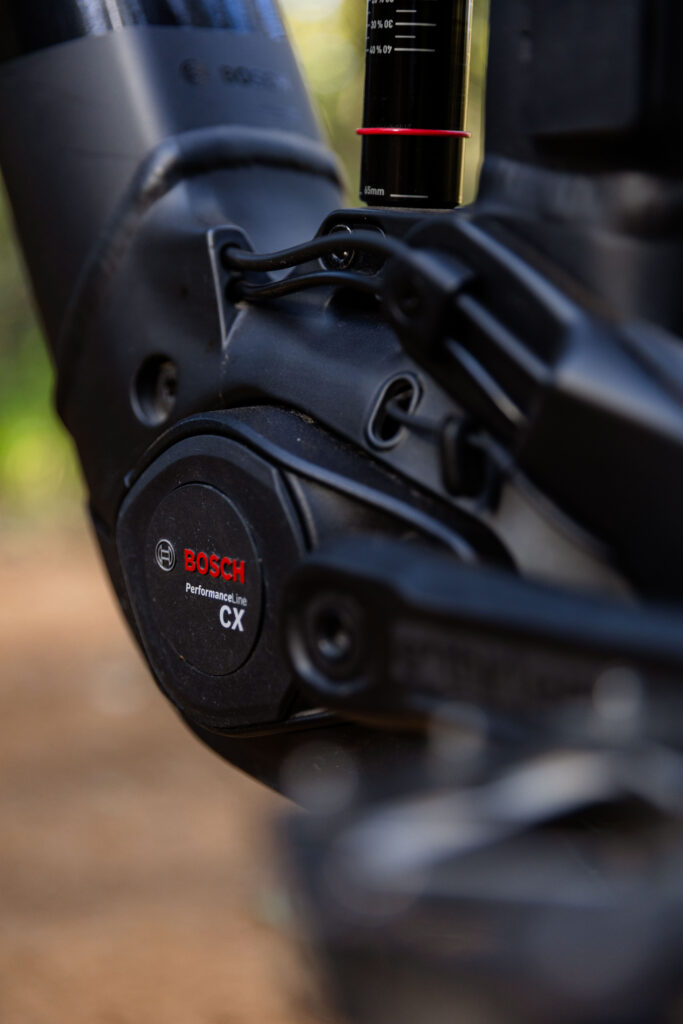
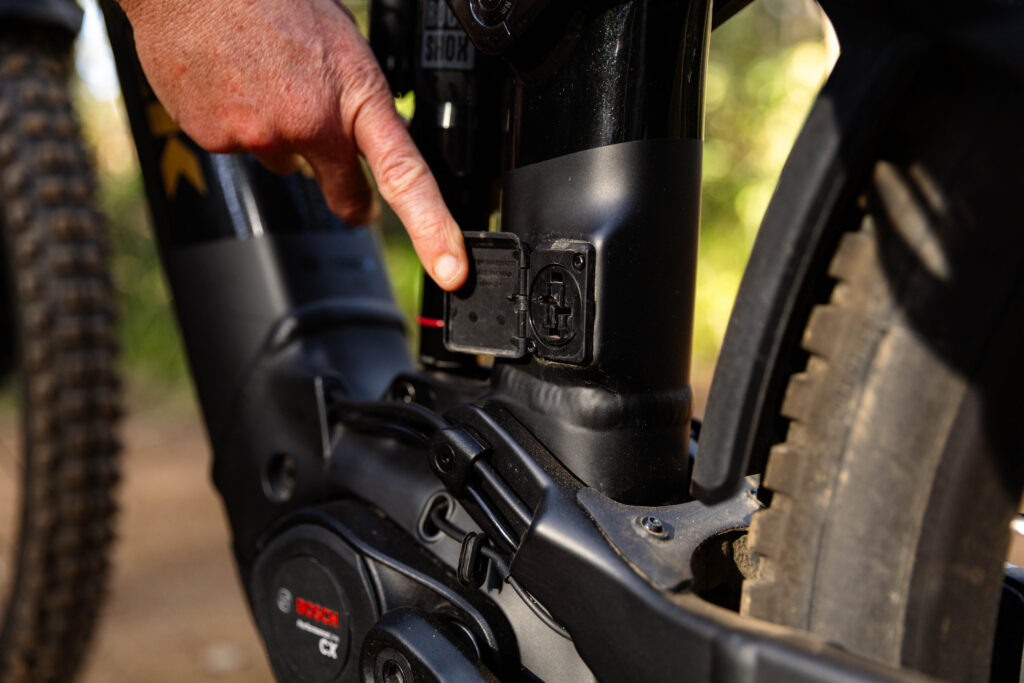
Technical climbing is where the update shines. Combined with the newly adjustable Extended Boost, the motor continues driving for just long enough after you stop pedalling to help carry the bike around tight switchbacks, over rock ledges or across awkward trail features where maintaining momentum simply isn’t possible.
Rather than feeling like the bike is doing the work for you, it feels like it’s giving you just enough help to execute the move you were already trying to make. It actually made me a better mountain biker. Once I was consistently clearing technical climbs on the e-bike, I began to understand exactly where body position, pedal timing, and power application mattered. Those lessons translated directly back onto my analogue bike, where previously impossible climbs suddenly became achievable. The confidence that comes from repeatedly riding features you once considered ‘unrideable’ carries across surprisingly well.
WHY 600% ASSISTANCE MATTERS
I generally use my eMTB for two very different reasons. The first is obvious: smashing out laps on steep, technical trails where access is a climb in itself. The second is recovery riding.
The latter is exactly why 600% assistance is a meaningful change for Bosch. On recovery days, I want to move, but I don’t necessarily want to produce meaningful training stress. Traditionally, that meant sticking to gravel roads, bike paths, or fire roads because even easy rides on singletrack tend to become stochastic—constant accelerations, braking, and short climbs quickly add up.
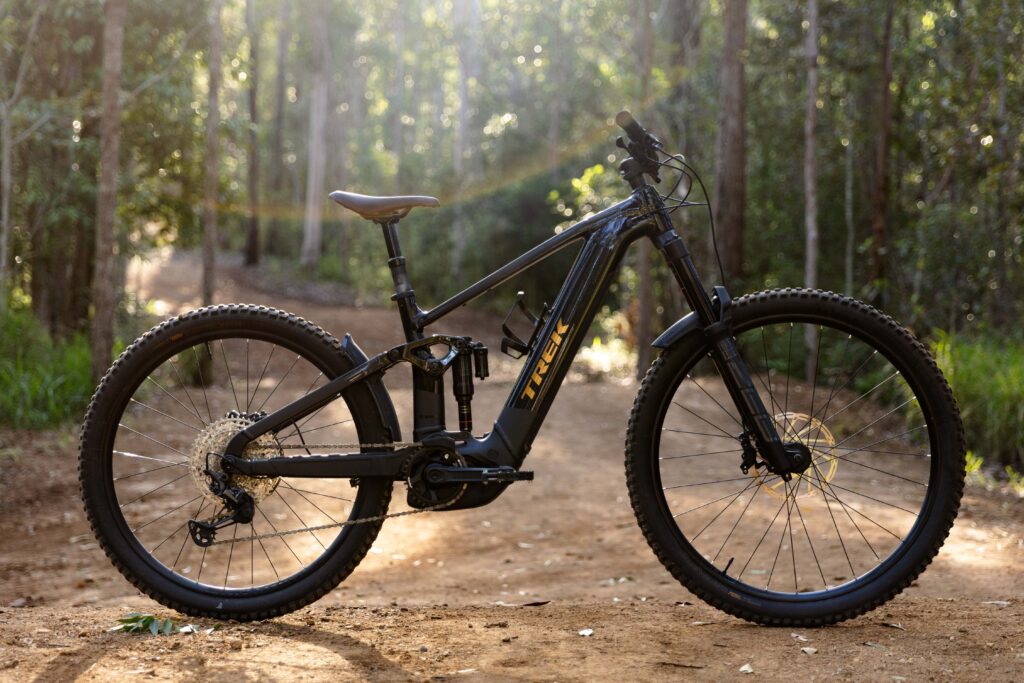
With 600% assistance available, I can spin gently to the trailhead, enjoy a few favourite descents and roll home having contributed little more than 100–150 watts myself. My legs recover, my head gets time in the forest, and I don’t finish the ride wondering whether I’ve turned an easy day into another training session.
The same applies away from mountain biking. Riding the e-bike to bush kindy with my toddler remains relaxed and enjoyable rather than another workout. That’s exactly what you want when you’re about to spend the day chasing a two-and-a-half-year-old who moves like a kangaroo that’s discovered espresso. The 600% assistance boost would have similar benefits for perhaps older or newer riders, or for those building back from injury. It’s a meaningful improvement that goes beyond simply making the bike faster; instead, it’s an update all riders would benefit from.
THE DRIVETRAIN TENSIONER
Another welcome addition is Bosch’s drivetrain tensioner. As eMTBs become more capable, they’re ridden faster than ever through rougher terrain. The additional chain control offered by the tensioner helps reduce chain slap, and it improves drivetrain security when the trail gets violent.
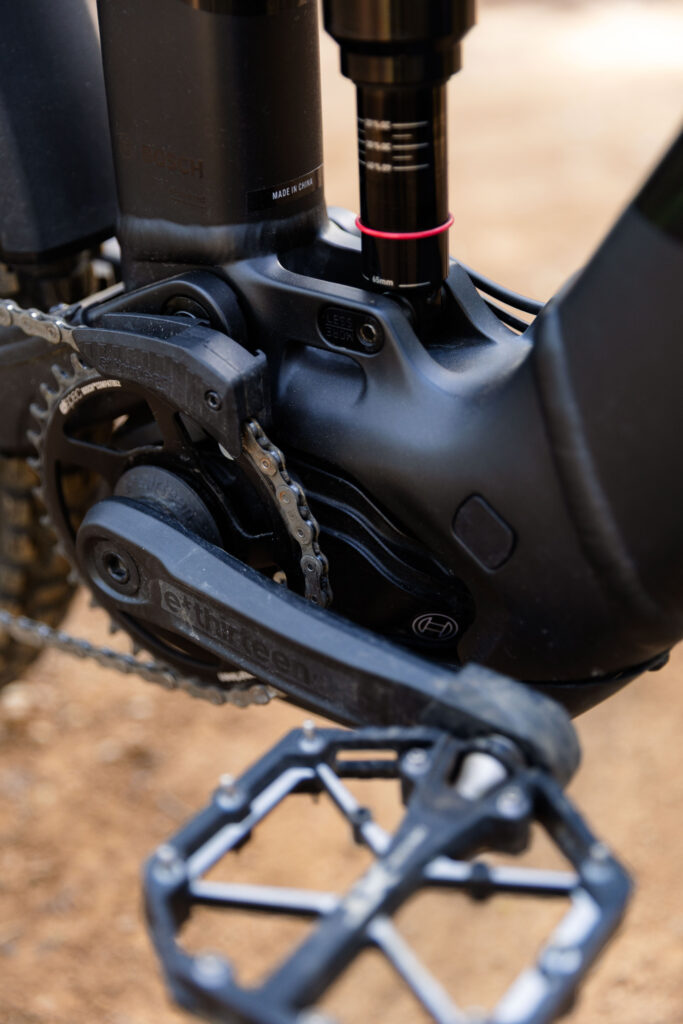
It’s one of those updates riders may barely notice … until they realise their drivetrain is quieter, and that chain retention is more consistent over repeated rough descents.
THE ELEPHANT IN THE ROOM: WHY ONLY 750W?
With motors such as Avinox’s recently released M2S making headlines by producing up to 1,500W peak power, it’s fair to ask why Bosch has chosen to remain at 750W. The answer is more nuanced than simply being conservative.
If you spend five minutes reading online forums, it’s obvious many riders compare motors purely by their headline numbers. Bigger numbers sound better. But we know that size doesn’t matter, right?
In practice, peak power contributes far less to the overall riding experience than many people assume, and there are two major reasons for this. The first is legislation: In Australia, legal e-bikes are limited to 250W continuous power, and assistance cuts out at 25km/h. Peak power isn’t directly regulated, but manufacturers still need to produce bikes that operate comfortably within those legal frameworks.
The second is simply the nature of mountain biking. Technical trails rarely allow sustained full-power 1,000W+ efforts. Most climbs involve changes in gradient, traction, body position and cadence. Have you ever ridden around a switchback? You will absolutely yeet yourself off the trail if you try and whip out a sneaky 1,500W.
On singletrack, you’re constantly modulating power rather than sitting at maximum output. Additional torque, smarter power delivery and more rider assistance often improve the ride far more than simply doubling the available peak wattage.
Could Bosch have built a 1,500W motor? Almost certainly. Would it fundamentally improve the experience for most trail riders? That’s far less certain. For perspective, 750W is roughly what a professional road rider might sustain for a few minutes during an extended attack. Fifteen hundred watts is the sort of explosive sprint power elite riders may briefly hit after hours of racing. Most recreational cyclists will never produce anything close to those numbers with their own legs.
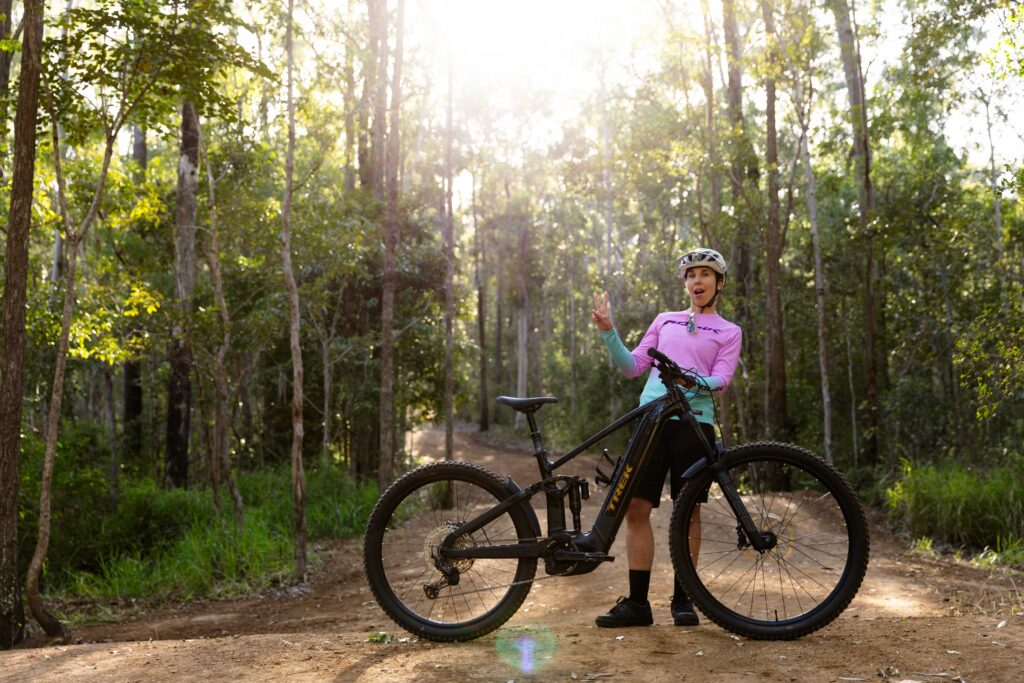
Many eMTB riders don’t come from a background of training with watts, FTP or power-to-weight ratios, so it’s understandable that bigger figures attract attention. But raw wattage is only one part of the equation, and Bosch’s philosophy appears to be that usable power is more valuable than maximum power.
Personally, I just want milk that tastes like real milk—a mountain bike with a bit of help when it matters. For me, the Performance Line CX Update 2.0 really hits the mark.
After spending considerable time on all three iterations of the current Performance Line CX platform, I’d agree. The biggest improvements aren’t the ones that make the bike feel more powerful. They’re the ones that make it feel more rideable.
Ultimately, that’s what keeps you coming back for another lap.
Perhaps I’m wrong; perhaps we’ll all be on 4,000W peak power beasts in a few years. But I suspect that as e-bike regulation picks up, and people experience riding a range of torque values, peak power and assistance options, they’ll be able to discern for themselves what numbers make for a meaningful mountain bike experience.
Personally, I just want milk that tastes like real milk—a mountain bike with a bit of help when it matters. For me, the Performance Line CX Update 2.0 really hits the mark.