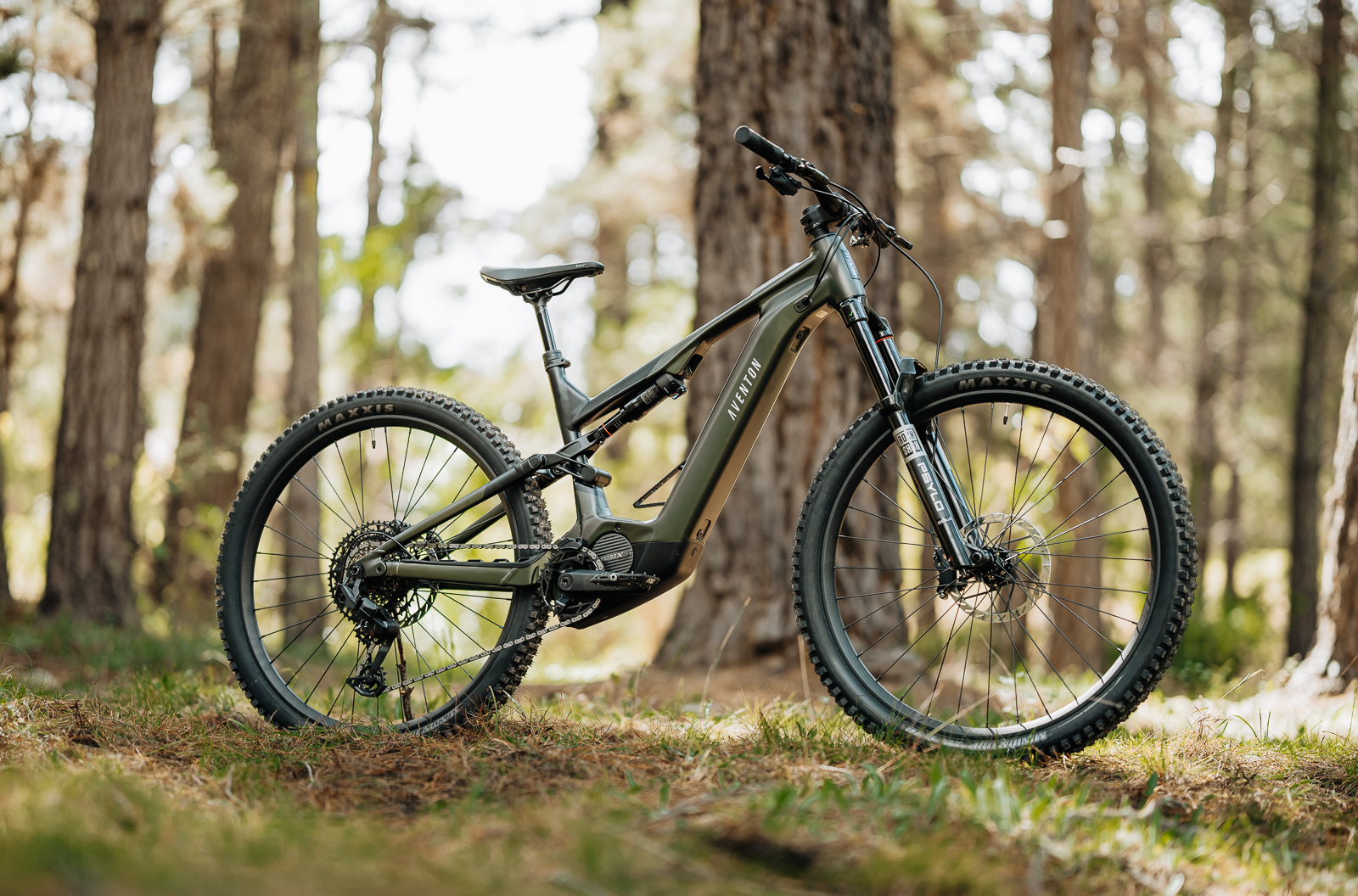
Aventon Current ADV Review: Ultro X Motor Tested
Aventon’s Current ADV pairs a remarkably smooth Ultro X motor with an 800Wh battery and a $6,499 price tag.
Aventon has built a strong reputation in the US and has now landed in Australia through BikesOnline with its new trail eMTB, the Current ADV.
At $6,499, the Current ADV runs Aventon’s own Ultro X motor system, delivering up to 120Nm of torque and 850W in Boost mode. That’s backed by an 800Wh battery, plus a broad range of tuning, security and tracking features.

With so many full-power eMTBs using established motor systems from brands like Bosch, Shimano and DJI, Aventon building its own is an interesting move. After spending time on the Current ADV, the motor turned out to be one of the biggest standouts of the bike.
Watch the Aventon Current ADV Review
Aventon Current ADV Specs
Price: $6,499
Frame: Alloy
Fork: RockShox Psylo Gold, 150mm
Shock: RockShox Deluxe Select+, 140mm rear travel
Shifter: SRAM Eagle 70
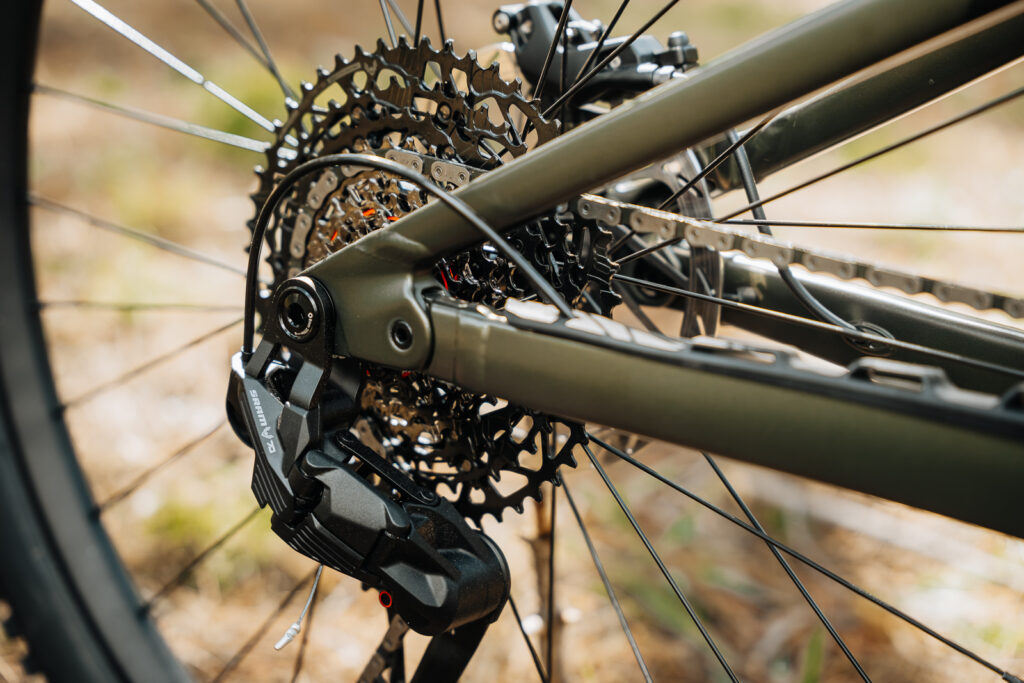
Derailleur: SRAM Eagle 70 T-Type
Crank: ISIS, 160mm
Chain: SRAM Eagle 70 T-Type
Cassette: SRAM Eagle 70 T-Type
Hubs: Boost spacing, sealed bearings
Rims: 29in alloy, double-wall, e-bike rated, tubeless ready
Tyres: Maxxis Minion DHF 29×2.5in EXO front / Minion DHR II 29×2.4in EXO rear
Brakes: SRAM DB8 Stealth, four-piston
Dropper: X-Fusion Manic, 150mm S/M, 170mm L/XL
Saddle: Selle Royal SRX
Motor: Aventon Ultro X mid-drive, 750W peak power and 110Nm, up to 850W and 120Nm in Boost mode
Battery: 800Wh removable, 5–6 hour charge time
Weight: 26kg, size L as tested
Sizes: S, M, L, XL
First impressions
The Current ADV arrived well packaged and was straightforward to set up. Aventon includes a shock pump, multi-tool and tubeless valves, while the rims are already taped and the cables are cut to sensible lengths. There wasn’t much standing between opening the box and getting onto the trail.
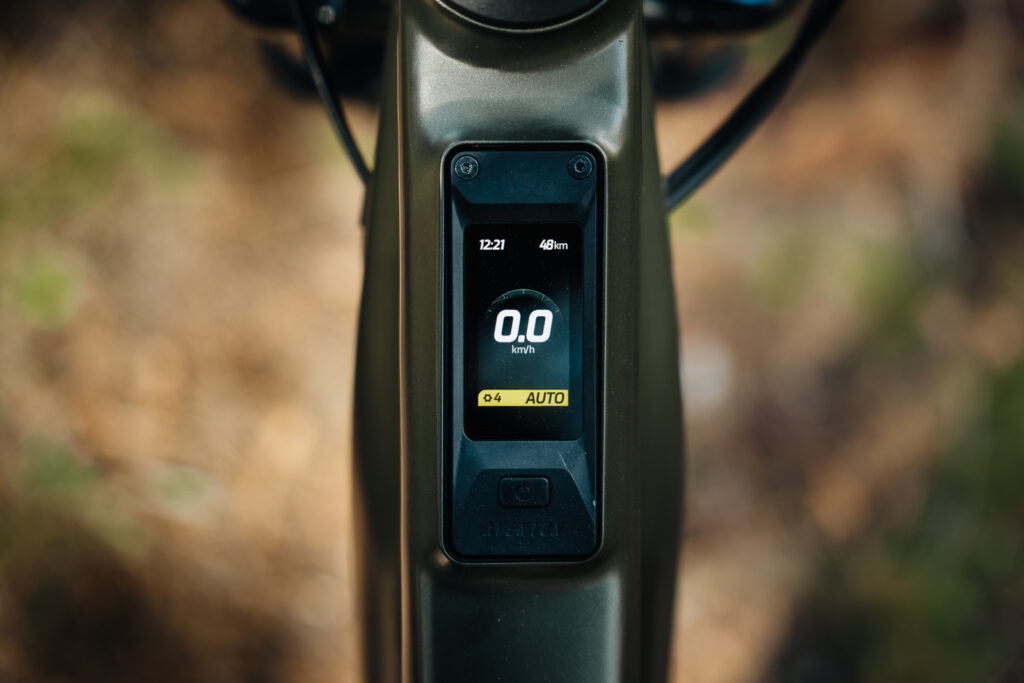
The frame has a clean and tidy look, with neat welds, straight lines and a good-looking suspension layout. The bar-mounted motor controller is sleek and minimal, while the display inset into the frame keeps that clean aesthetic going.
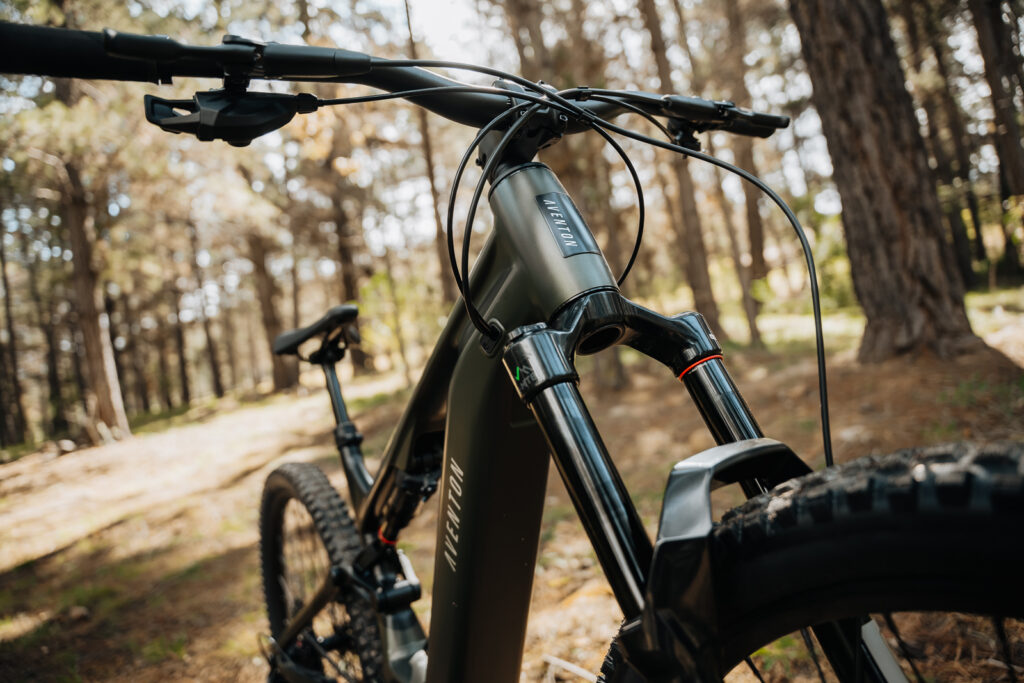
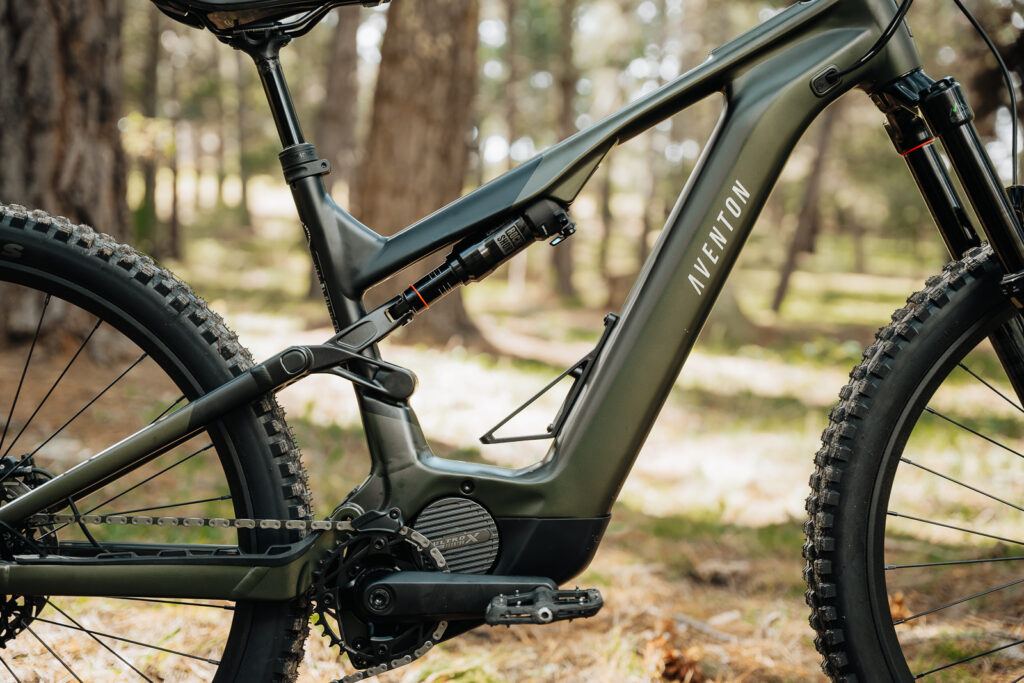
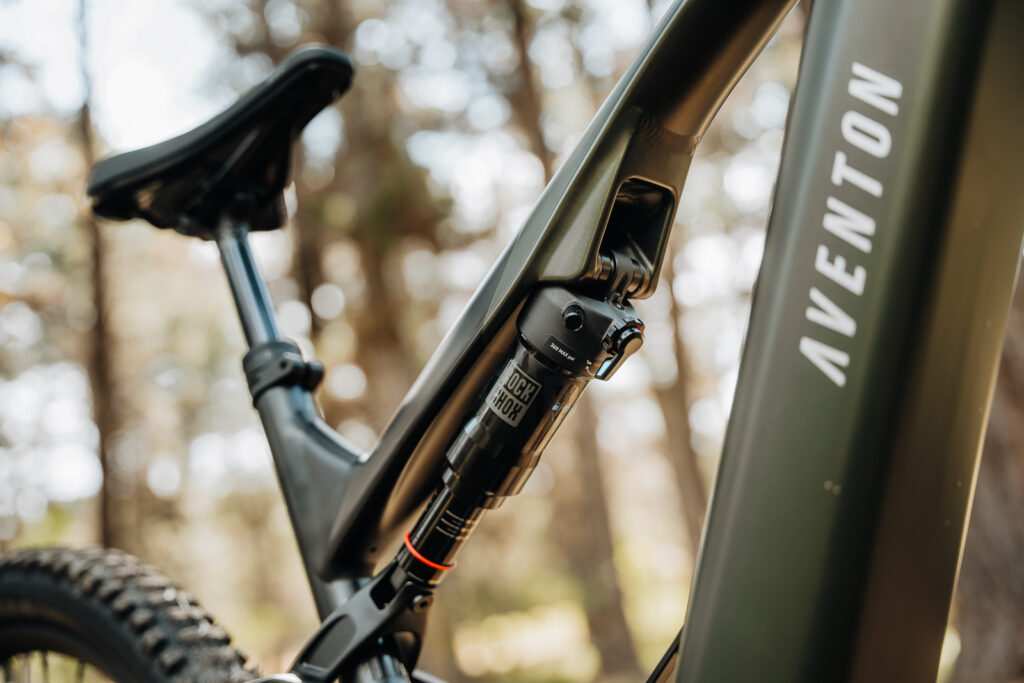
Ed note: The Current’s frame was developed in collaboration with German design studio Kairn, which Aventon says has also worked with brands including Specialized, Scott, Mondraker and Norco. The partnership covered frame design, suspension kinematics and geometry, with the aim of creating an approachable trail bike that feels intuitive from the first ride while remaining capable as riders push harder. Kairn also contributed to the touchscreen display, user interface and wireless remote, allowing Aventon’s team to dedicate more resources to the motor and software.
As a bike mechanic, I’m very glad Aventon hasn’t routed the cables through the headset and has stuck with traditional routing. The paint isn’t super flashy, but it suits the bike’s minimal theme and the finish is on par with other bikes at this price point.
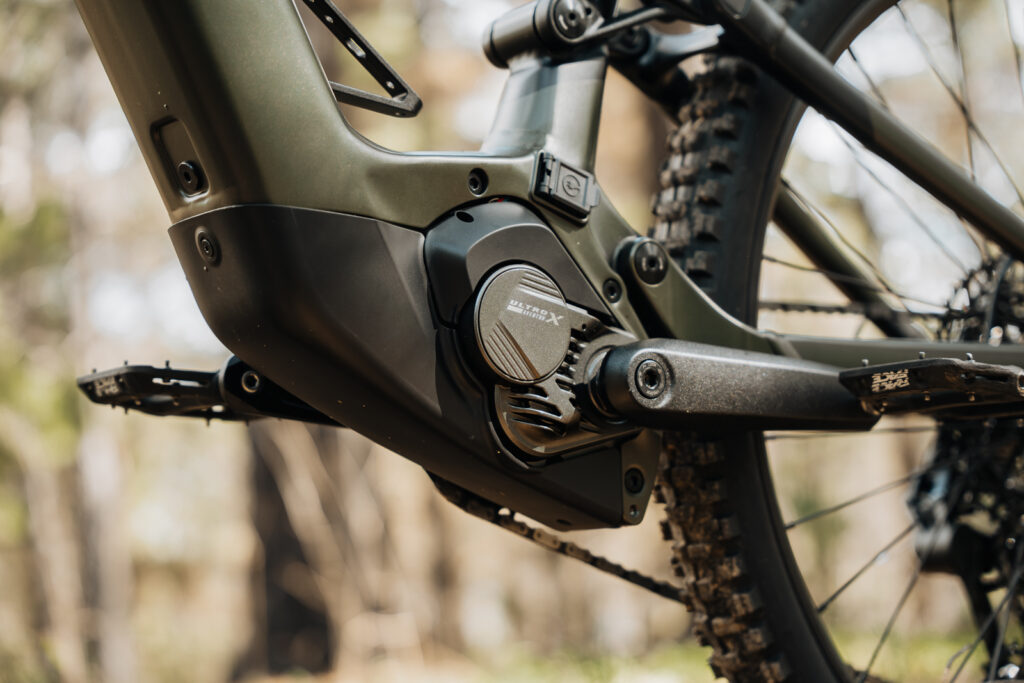
The standout feature is the motor system. With so many full-power eMTBs now built around Bosch, Shimano or DJI platforms, Aventon developing its own system is a bold move. More importantly, the Ultro X doesn’t feel like a first attempt.
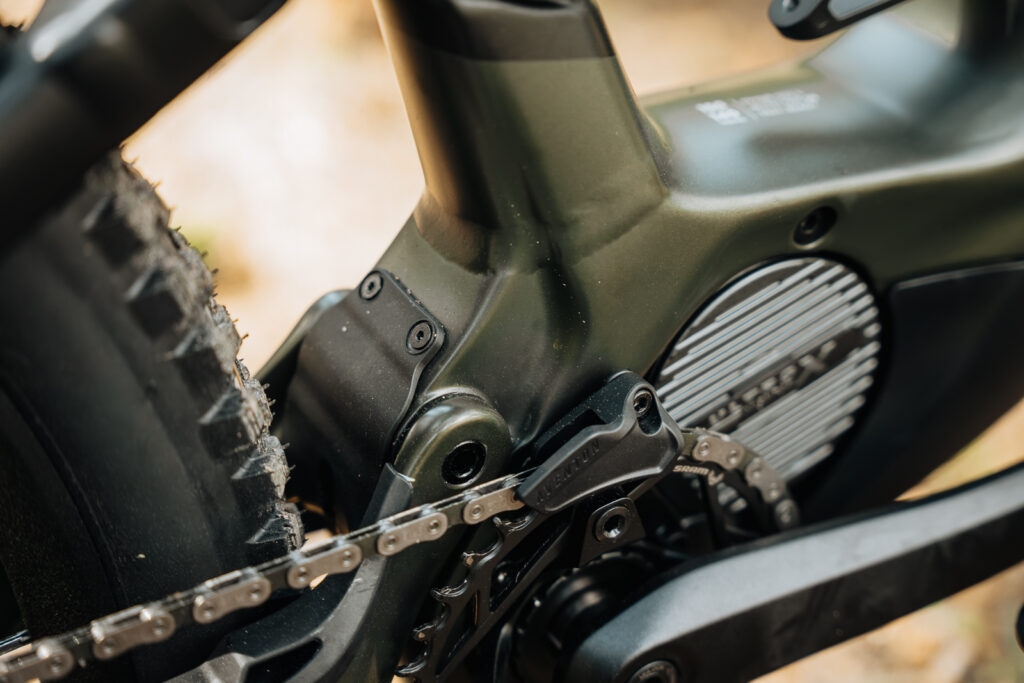
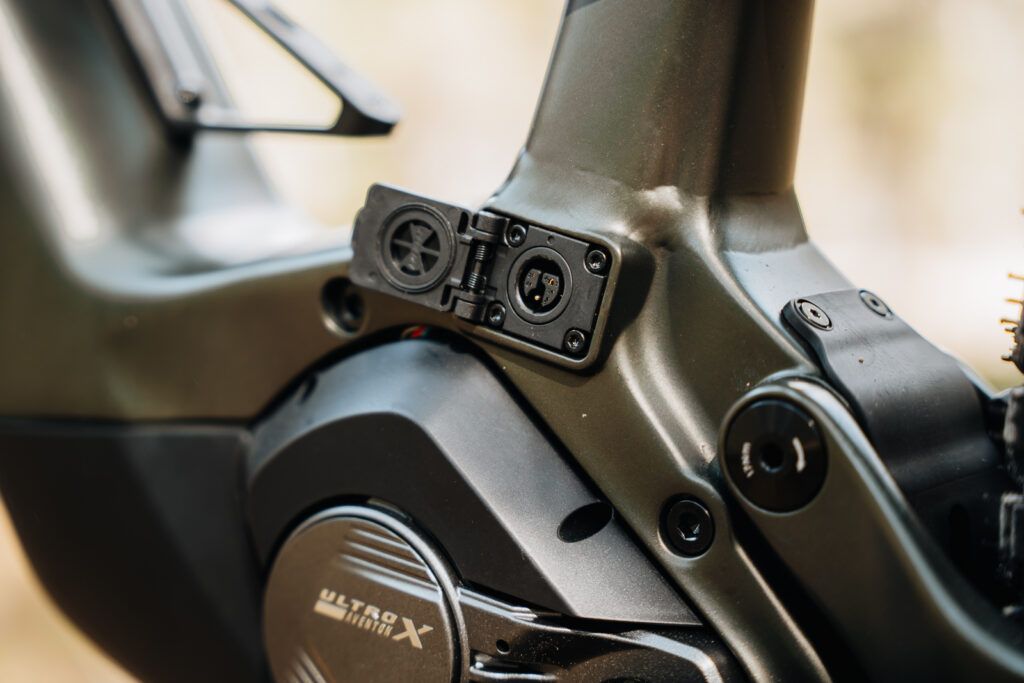
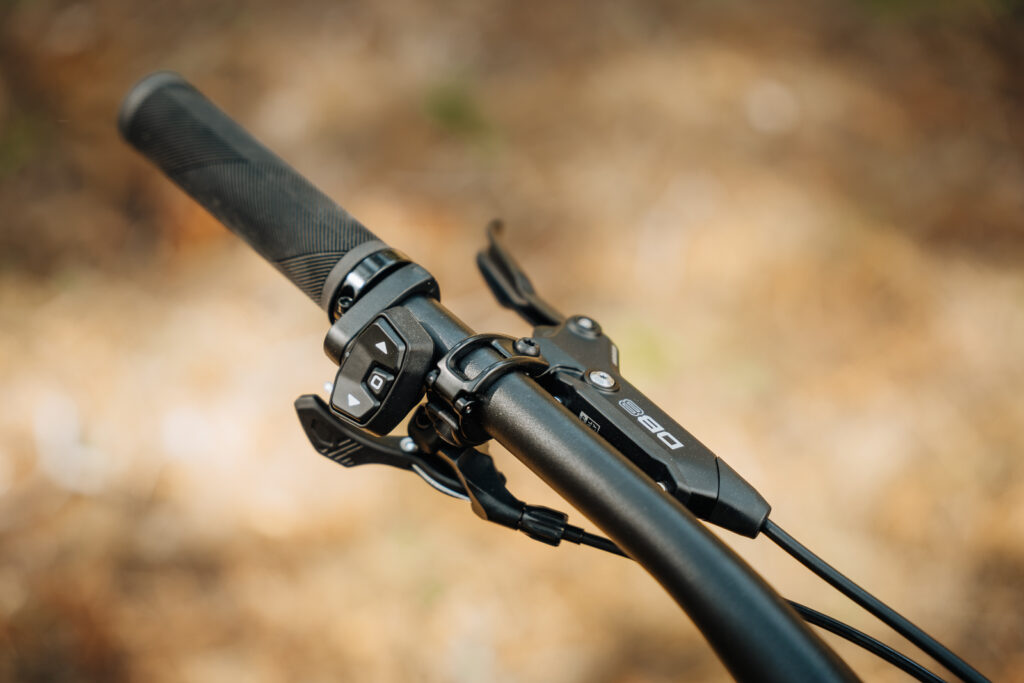
It pairs a touchscreen frame display with a three-button controller and smartphone app. Almost every motor setting can also be adjusted directly from the bike, which means you don’t need to reach for your phone every time you want to make a change.
More than just a motor
Aventon has built plenty of functionality around the Ultro X, with a good amount of control over how the motor behaves as well as some useful maintenance and security features.
Motor behaviour is highly customisable, with control over maximum power, how quickly assistance ramps up and how long the motor continues assisting after you stop pedalling. I played around with these settings, but Aventon’s stock tune was so good that I didn’t feel much need to change anything.
The app also includes some genuinely useful maintenance features. It tracks rides and kilometres between services, with custom intervals for different components. Being able to see exactly how much use a fork, shock or drivetrain has had could be particularly handy when the bike goes into the workshop.
There’s also a gyroscope-assisted wheel-lift control system. On the trail I found its effect pretty subtle. Even on the highest setting I could still pull a wheelie, although at times I could feel it reduce power when the front wheel lifted. It’s an interesting feature, but not one that noticeably changed the way I rode the bike.
The security features are more convincing. An alarm can send a notification to your phone if the bike is moved, while remote location tracking adds some peace of mind if the bike disappears. Geo-fencing can also trigger an alarm, phone notification and motor shutdown if the bike leaves a set area. That last feature feels more useful for lending the bike out or for shops running demo fleets, but it shows how much Aventon has packed into the system.
On the trail
I’m 183cm tall and around 75kg in riding gear. We tested a size large, which felt comfortable and roomy without leaving me stretched out. I started with three volume spacers, 125psi in the fork and 230psi in the rear shock.
The motor was immediately the standout. Power delivery is very smooth and responds quickly to changes in pedal input. On technical climbs, that made a noticeable difference. There were no unexpected surges when I didn’t want them, but the power was there as soon as I needed it. There’s plenty of grunt too. I didn’t find myself wishing for more power on any of the climbs I encountered during testing.


At 26kg, though, there’s no hiding the Current ADV’s weight. Having spent a lot of time on downhill bikes, a heavier bike doesn’t bother me too much, and there are some advantages. The extra mass helps the Current feel planted into corners and stable when the trail speeds up. Through flowing corners it gives you plenty of grip and confidence to push, and that stability makes the bike fun to ride.
But the weight also punishes mistakes. Whenever I missed a line or braked too late, it was harder to recover than it would have been on a lighter bike. Add the 29in wheels and the Current ADV also needs a little more muscle through tight, technical corners. It’s a clear trade-off: more stability and grip at speed, with a little less agility when the trail gets tight.
Aventon calls the Current ADV a trail bike, and that description fits. On climbs, the riding position put enough weight over the rear wheel to maintain traction without feeling cramped. On descents, I found myself nicely centred between the wheels, which helped keep both tyres engaged and made the bike predictable as the terrain became steeper.
The suspension is also straightforward to set up. With relatively limited adjustment on the fork and shock, I had it dialled in quickly. That simplicity will appeal to riders who don’t want to spend half their ride adjusting suspension settings. More experienced riders wanting greater tuning range can step up to the Current EXP, which gets a RockShox Lyrik Select fork and Super Deluxe Select+ shock.
The SRAM DB8 Stealth brakes gave consistent bite on long descents and I didn’t experience any fade during testing. The SRAM Eagle 70 Transmission also ran without issue, and its ability to shift under load is particularly useful on an eMTB when a technical climb suddenly steepens.
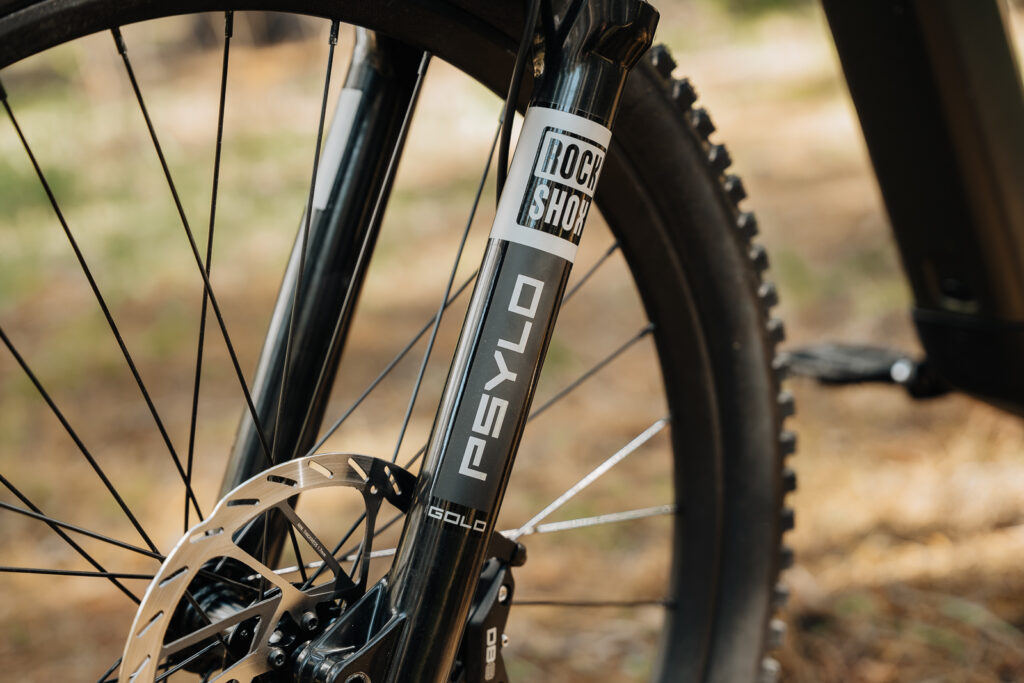
As I started pushing harder on rockier and steeper trails, I began to find the limits of the bike’s trail-focused setup. On fast, rocky descents, the Psylo starts to feel less composed than the burlier forks you’d expect on a more aggressive eMTB. The EXO-casing Maxxis tyres also became a limiting factor.
Neither issue bothered me on regular trail riding. They only became obvious when I started asking the bike to do more than its intended brief.
Who it’s best suited to
If you’ve already got some mountain biking experience and you’re looking at buying your first eMTB, the Current ADV makes a lot of sense.
It’s well suited to weekend trail loops, after-work rides and riders who want strong climbing performance without spending hours tuning suspension or motor settings. The handling is predictable, the motor is smooth straight out of the box and the overall package is easy to get along with.
If most of your riding involves hard bike-park laps or genuinely steep, rough terrain, you’ll probably want more fork, tyre and chassis beneath you. But that’s not really what the Current ADV is trying to be.
Our take
The Aventon Current ADV shows that an in-house motor system can go toe-to-toe with the established names.
The Ultro X delivers exceptionally smooth power and is among the best motors I’ve tested at any price. The customisation, security features and smaller touches like component service tracking help make the whole system feel polished rather than experimental.

The rest of the bike is sensibly matched to its intended use. The RockShox suspension and SRAM Eagle 70 Transmission suit everyday trail riding, while the bike’s limitations only really emerge when you start pushing into terrain better suited to an enduro-focused eMTB.
At $6,499, that makes the Current ADV a compelling package. It might be a new name to many Australian riders, but after riding it, Aventon is one worth paying attention to.