Can the Trek Fuel EX Replace Your Entire Bike Quiver?
Trek’s latest Fuel EX platform brings modular EX, MX and LX configurations to a lively and highly adaptable trail bike.
The Trek Fuel EX has long been the baby bear’s porridge in Trek’s mountain bike lineup – a bike that can operate well from downcountry to light enduro applications. The recent launch of the all-new 7th-generation Fuel EX in Australia sees the brand develop an even more versatile bike.
The new Fuel EX departs from the aesthetics of the prior generation, instead taking cues from the Fuel+ EX e-bike. Both the top and downtube now feature more conventional lines, which enables the Fuel EX to have a triple personality on the trail. The increased dropper insertion, standover height and front-triangle space allow the Fuel EX to become three very different bikes with the swap of rocker links, suspension linkage and some suspension and wheel changes.
By swapping a few key components, the Fuel EX can be configured as-is – a 29” bike with 150/145mm travel (size Small uses a mullet 29”/27.5” setup). From here, you can swap a wheel, linkage and adjust fork travel to create a Fuel MX with 160/150mm travel and a mullet setup. Finally, for those who dabble in bigger hits, you can lengthen the Fuel into the brawling LX model with 170/160mm suspension on a full-29” platform.
Trek hasn’t just thought about wheel sizes and travel; geometry is key here. Adjusting the EX to the MX and LX models also adjusts the head-tube angles, with the Fuel EX’s 64.5º shifting to 64.2º for the MX and to a slack, ready-to-rumble 63.5º for the LX.
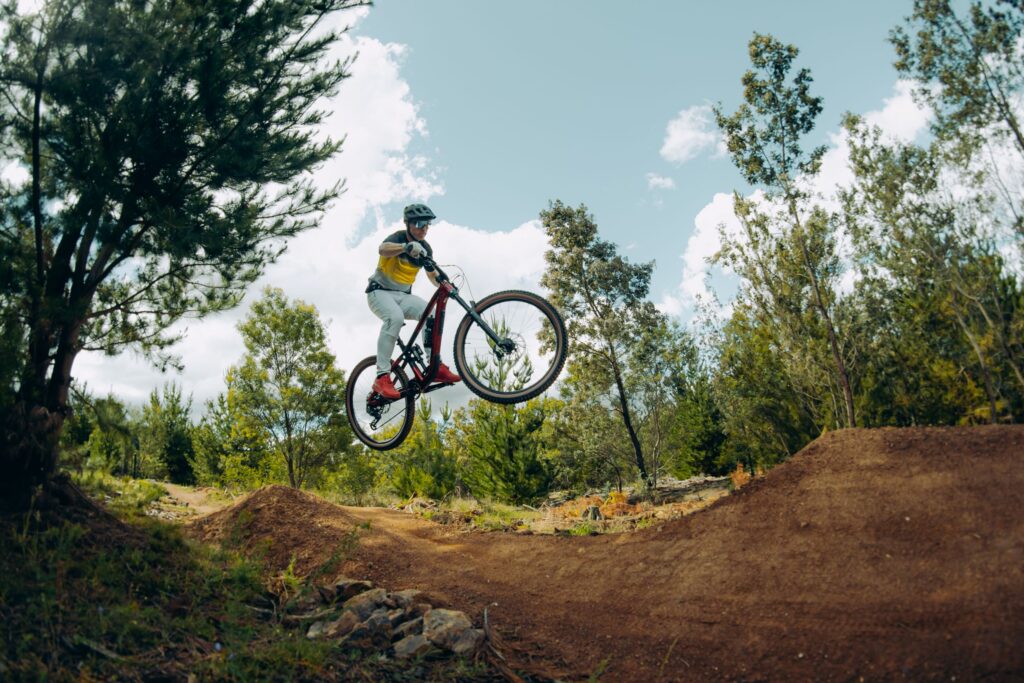
This triple persona makes the Fuel EX perhaps the most versatile bike we have seen launch in recent times. While adjustable geometry is an excellent way to fine-tune your ride, the Fuel essentially gives you a trail bike, a steep-and-deep enduro-ready rig, and a full-send brawler.
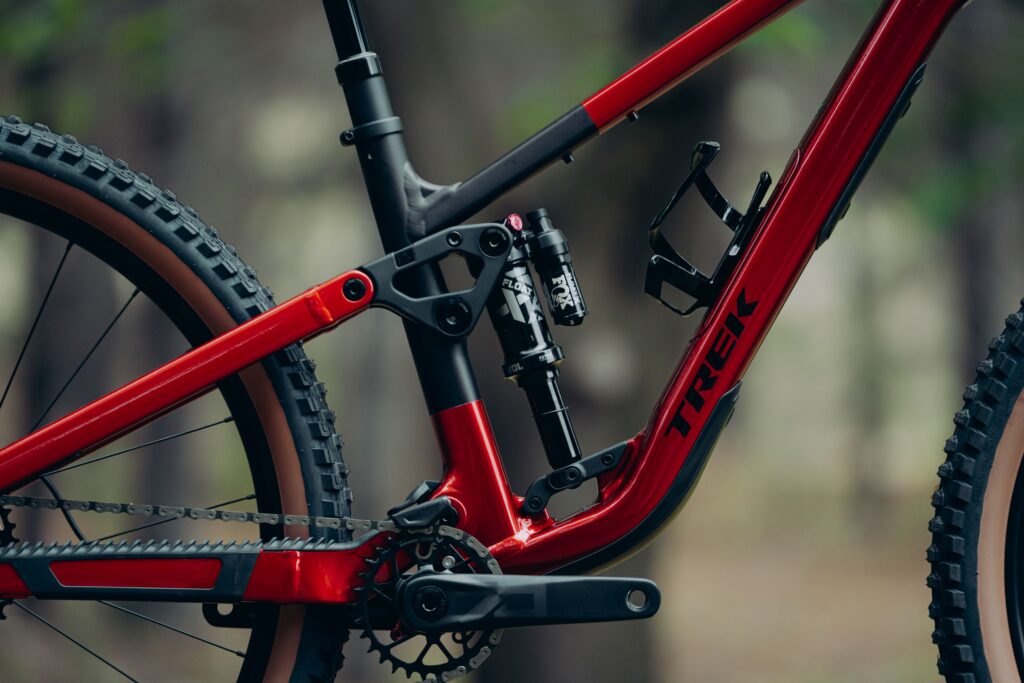
What could be better than riding the Fuel as an EX model in your local trail network, as an MX for the steep scree, and set up as a Fuel LX for bombing Cannonball runs at Thredbo?
While Trek globally is launching these discrete Fuel LX and Fuel MX models, we won’t be seeing these on our shores – but Trek will stock the conversion kits to build your own at home. You can also order a custom Fuel MX or LX through Trek’s Project One portal.
The new Fuel EX will be available in three models: the Fuel EX 5, 8 and 8.9 XT models. We have had a Fuel EX 8 on test, and can tell you – it’s a heck of a lot of fun.
First Impressions
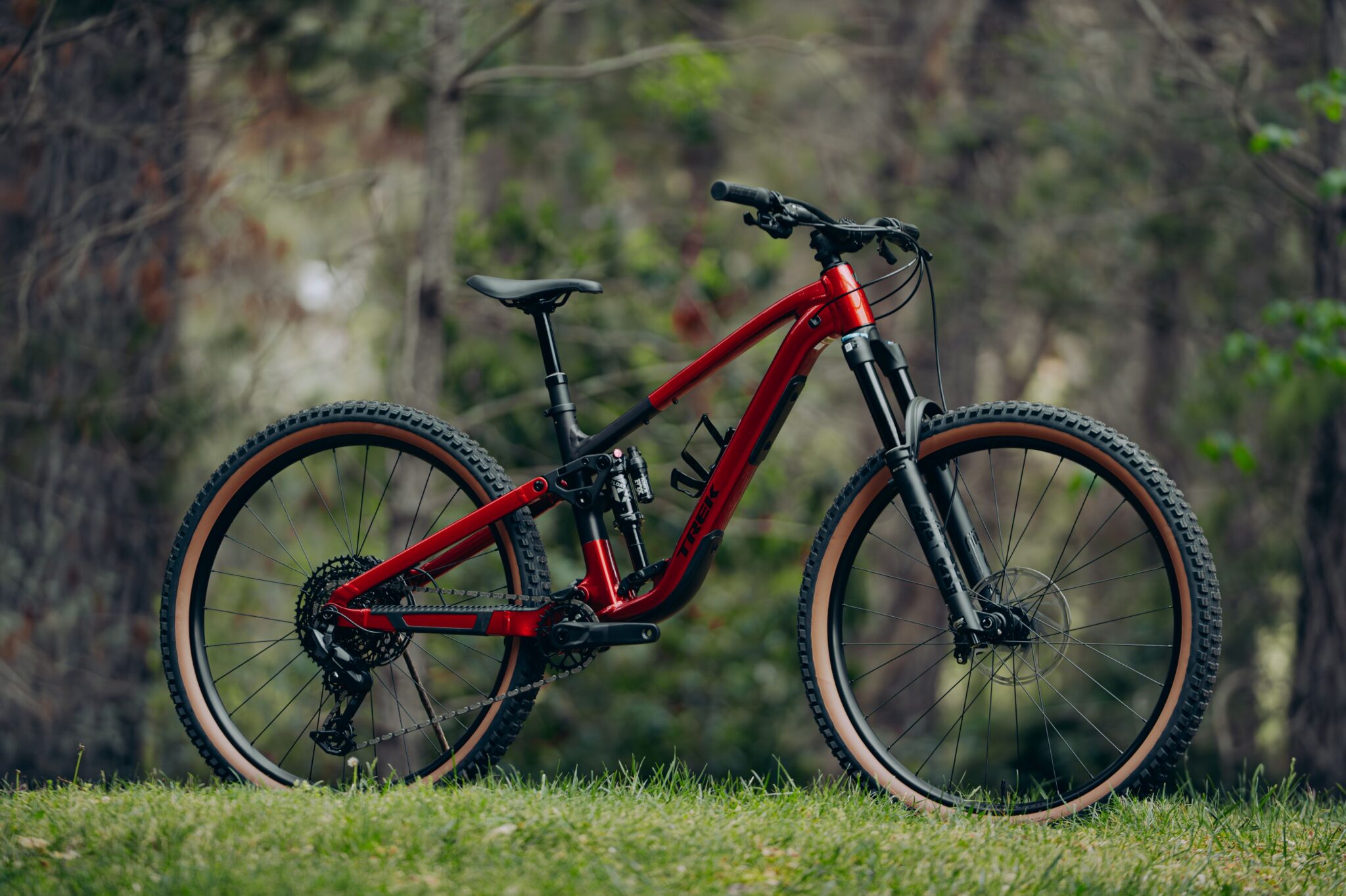
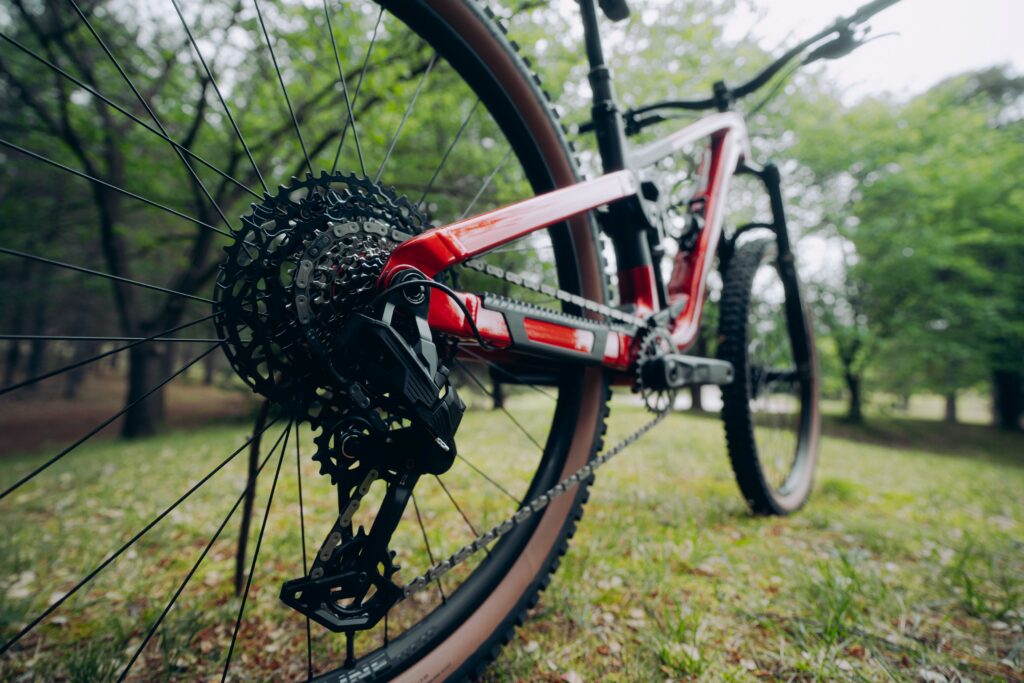
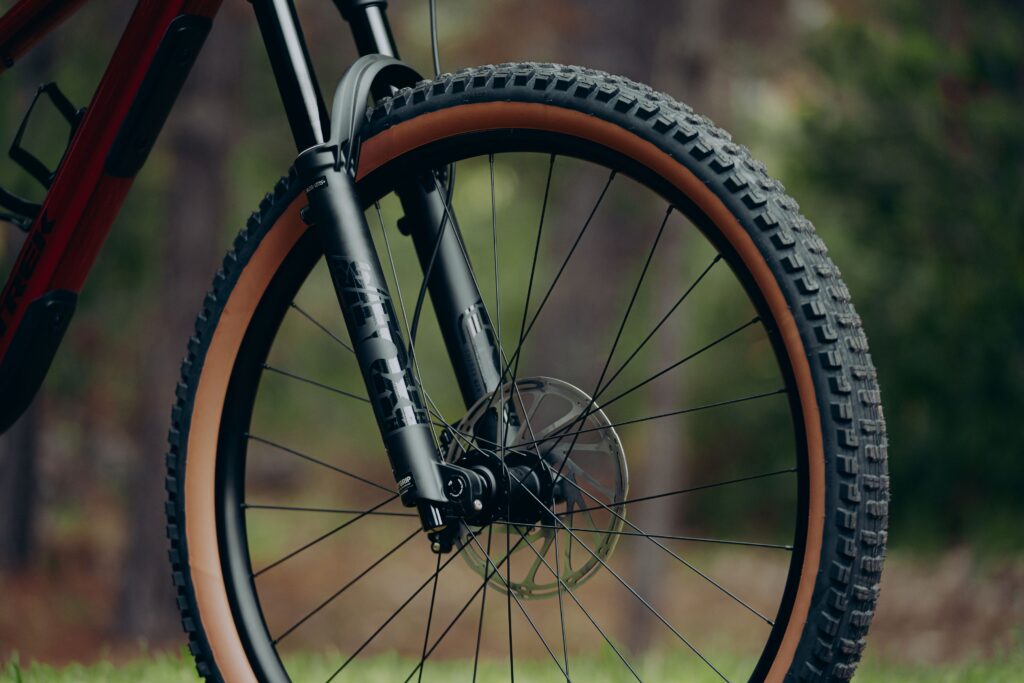
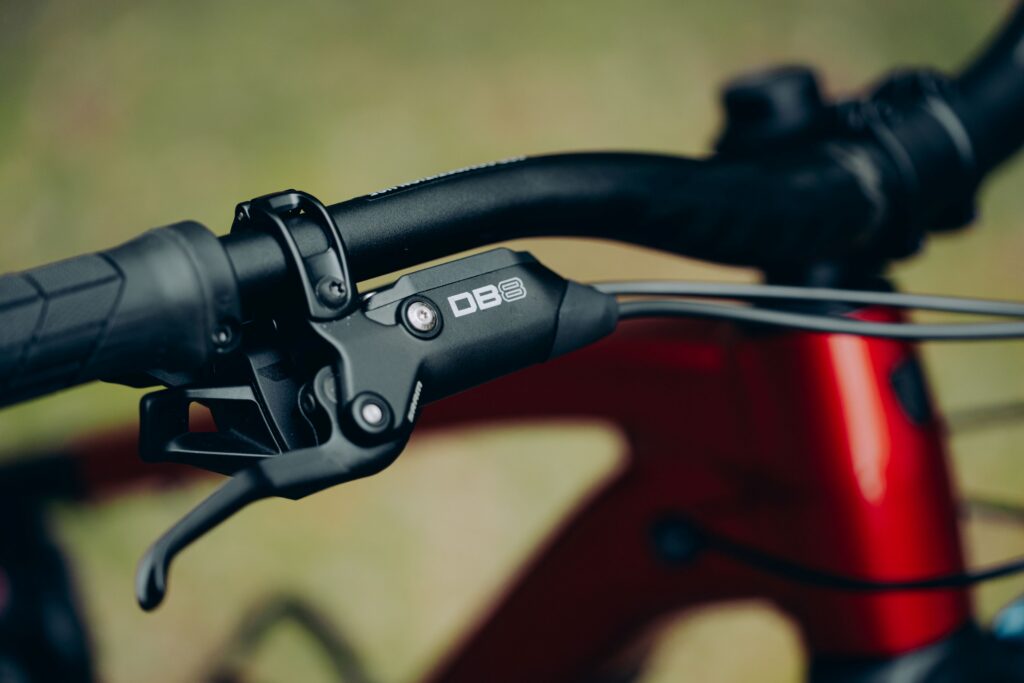
We landed a brand-new Trek Fuel EX 8 at our local dealer in Canberra. At $4,999.99, this bike sits in the perfect price point for a first trail-bike upgrade. The Fuel EX 8 features an Alpha Platinum Aluminium frame with a 150mm Fox Rhythm fork and Fox Performance Float X rear shock with a 2-position damper. SRAM’s Eagle 70 transmission does the hard yards shifting, with SRAM’s 4-piston DB8 brakes doing the hard yards on braking duty.
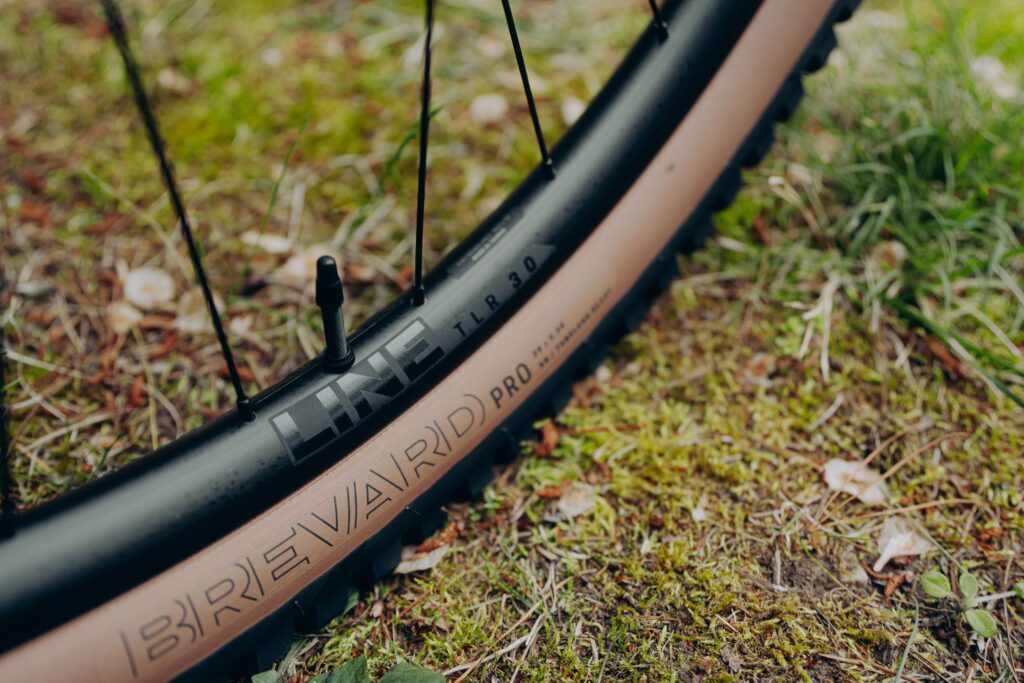
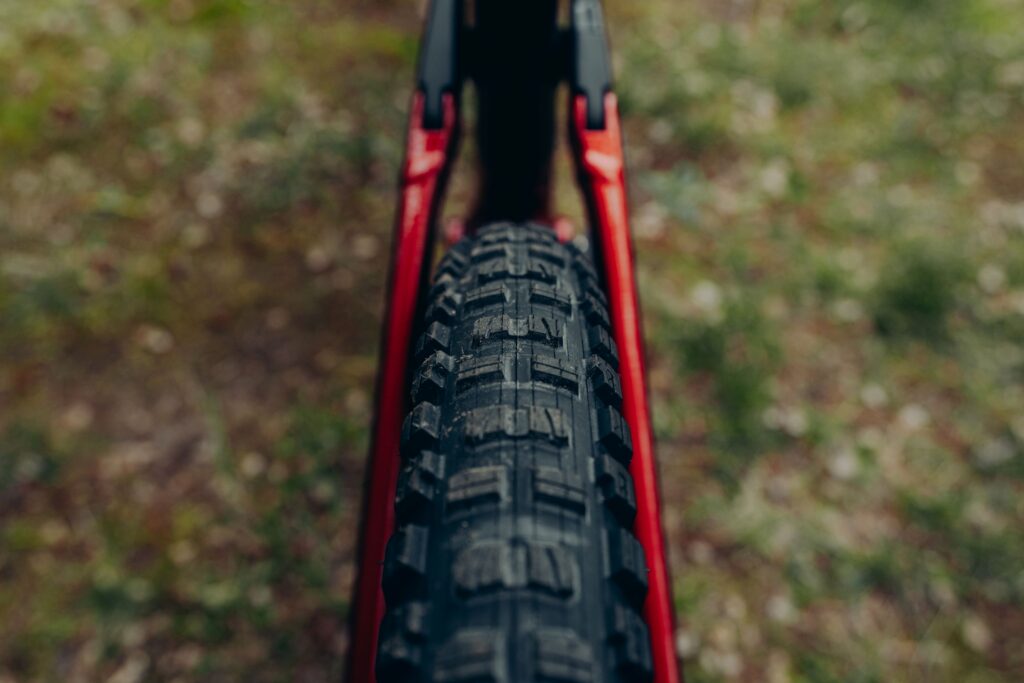
A set of alloy Bontrager Line TLR 30 wheels and Bontrager hubs are shod with Bontrager Brevard Pro XR 29×2.5” tyres. A Bontrager Line dropper gets you low when things point downhill, with Small frames sporting a 150mm dropper, Medium 170mm, and Large and Extra Large running a 200mm drop.
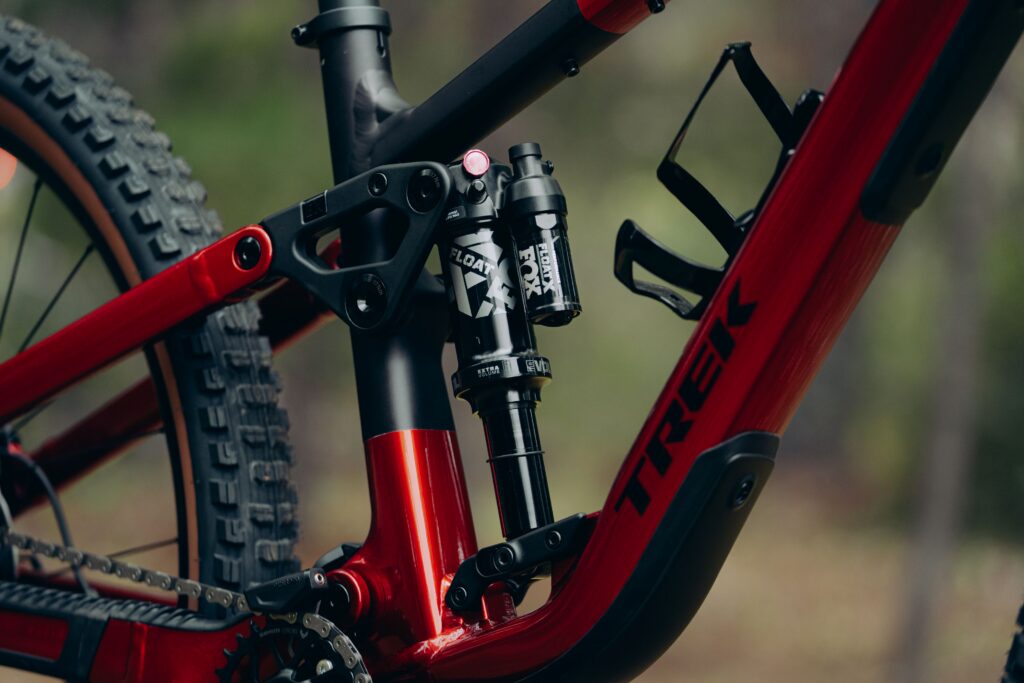
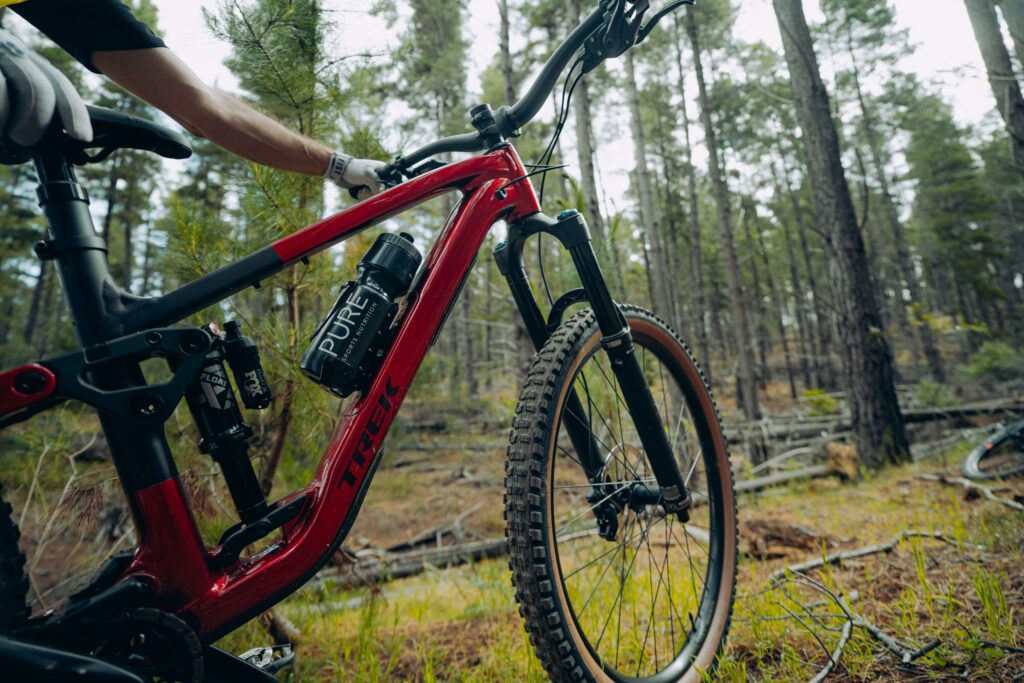
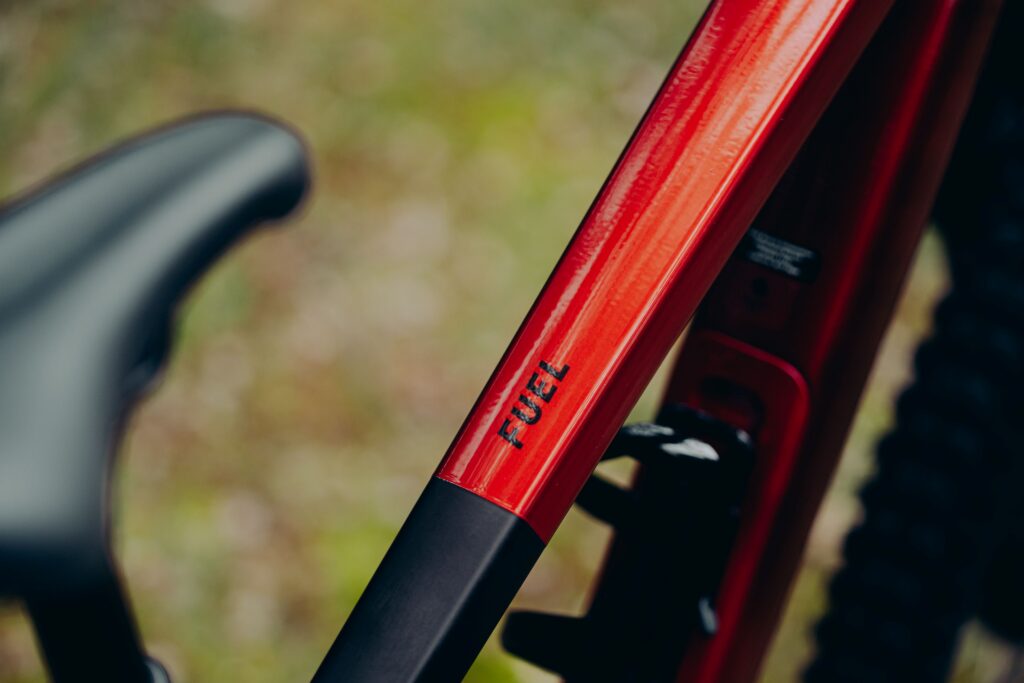
It’s glaringly obvious that this thing looks sharp. The aluminium frame has that classic Trek refinement: tidy welds, slick internal cable routing (not through the headset – a big win), integrated downtube storage, and a solid, very quiet ride and feel. The 2026 Fuel EX 8 gets all the modern geometry updates including a slacker 64.5º head-tube angle, long reach, and a steeper seat tube. What’s surprising is that it doesn’t feel as long as the numbers suggest.
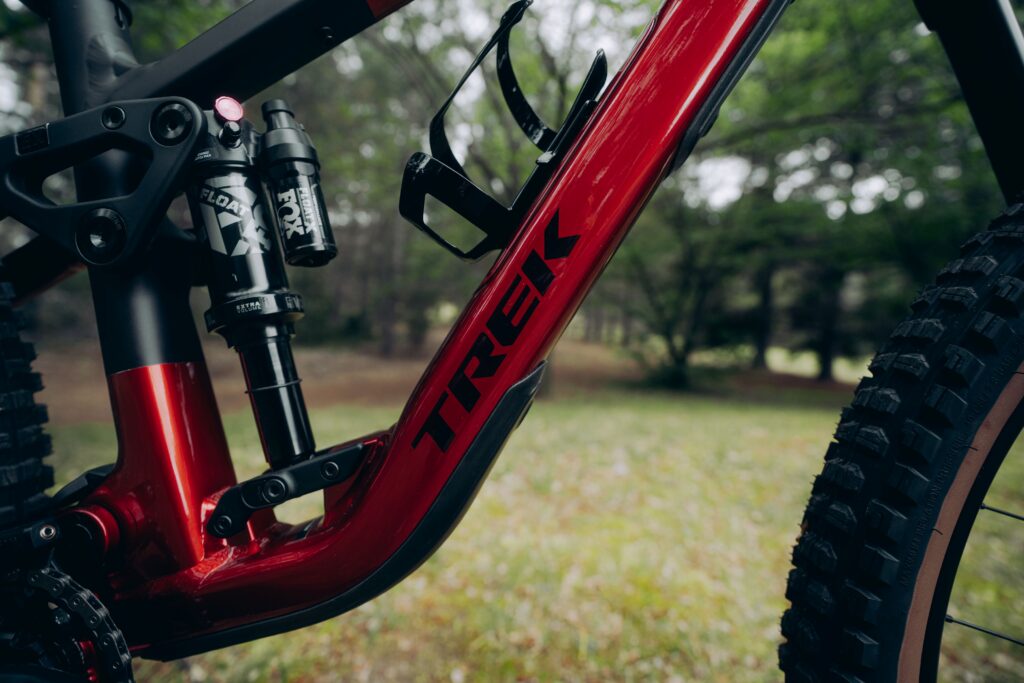
That’s mainly due to the steep seat-tube angle (78.3º effective for the size medium), which pushes you further over the bottom bracket and brings the cockpit in a touch. It’s a comfortable, efficient position for climbing, but it definitely gives the bike a shorter feel than the geometry chart implies. I rode a size medium (normally a medium/large with Trek) expecting a stretched-out trail machine, yet it felt more compact and agile: not cramped, just more centred. If you’re between sizes, that’s worth factoring in.
On the Trail
On the trail, the Fuel EX 8 hits that sweet spot between confidence and playfulness. It’s lively without being twitchy, and stable without feeling lazy. The Active Braking Pivot (ABP) suspension layout does what Trek says it will, keeping traction predictable under braking while remaining active through rough sections.
The 150mm fork and 145mm rear travel work together to give the bike genuine trail versatility. It tracks smoothly over roots and rocks yet still pops nicely off lips and rollers when you want to get creative. On our local trails, the bike rewarded body movement; a little preload here, a pump there, and it responded with keen jump nous and flickability.
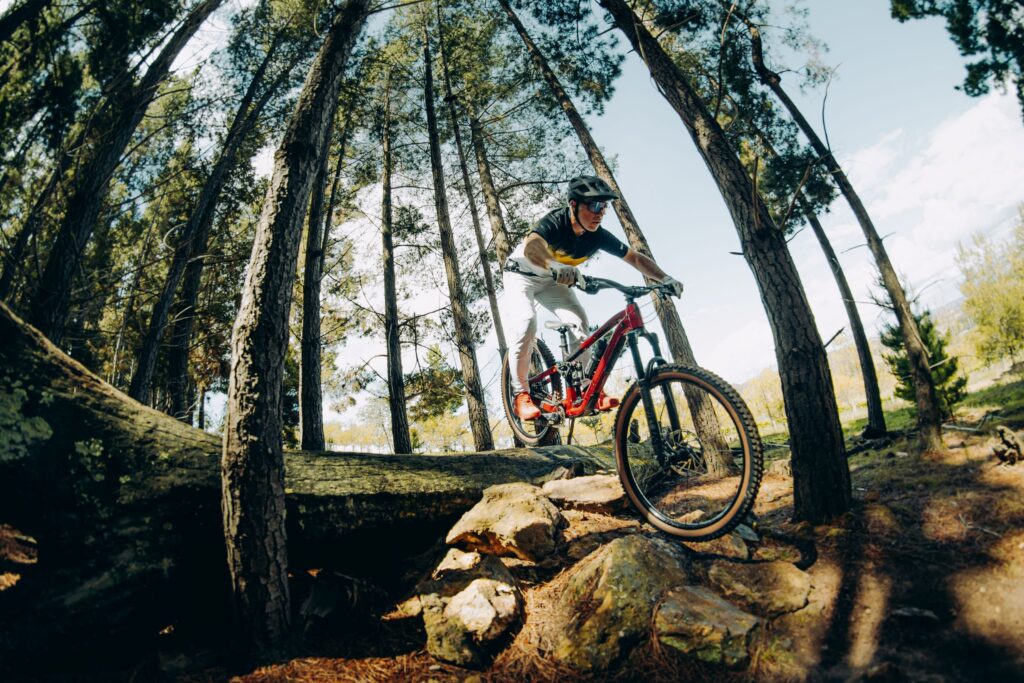
When descending, it’s impressively composed given the lower-tier suspension from Fox. The chassis stiffness is spot-on, and the geometry gives confidence when things get steeper or faster. It doesn’t have that point-and-plough enduro vibe. Instead, the Fuel is more about control and balance than brute force, while remaining stable enough that I never felt under-gunned.
When pointed uphill, the Fuel rides better than expected for a mid-travel trail bike. The steep seat-tube angle puts you in a powerful pedalling position, and the rear suspension stays supportive even when seated and grinding. Sure, it’s not cross-country-bike light (the alloy frame and trail-ready build keep the scales honest) but efficiency is solid and traction is excellent on technical climbs.
The standout characteristic of the Fuel EX 8 Gen 7 is how playful it feels. It loves to manual, it pops naturally off roots and trail features, and it’s responsive when thrown into corners. I ran it with slightly higher pressures than Trek’s chart recommended, and that gave it an extra lively feel – perfect for flicking around tight switchbacks or pumping rollers.
The suspension and drivetrain choices are smart: proven, mid-tier components that deliver consistent performance. The Fox suspension is solid, though I prefer more damping on the fork over fast, chattery terrain like roots. The brakes have plenty of bite and the DB8s from SRAM are impressive, feeling more solid at the lever than the Maven. The Bontrager Line dropper post has ample range, and the cockpit feels balanced out of the box with a mix of Bontrager and Race Face parts.
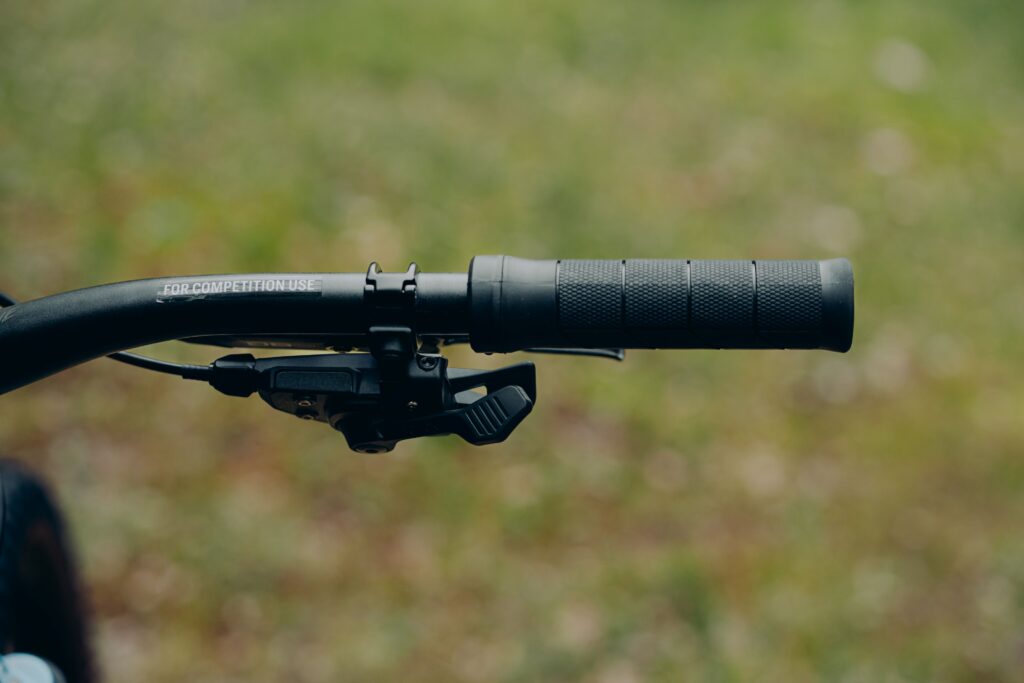
SRAM’s new Eagle 70 Transmission is excellent to use and performs well under load or even when accidentally smashing gears. The Bontrager Line 30 wheels should stand the test of time, but the Bontrager Brevard tyres must go – we didn’t get along. The internal frame storage is a genuinely practical touch – perfect for a multitool, tube or snack bar when travelling light.
Where Trek really separates the Fuel EX Gen 7 from the pack is with its multiple personalities across the EX, MX and LX options. The EX (standard, as tested) rolls on a complete 29” setup with 145mm rear travel and 150mm front – the all-round trail setup most riders will stick with. Those who prefer a mixed-wheel setup can convert the bike into a Fuel MX with a 29-inch front wheel, 27.5-inch rear, and 160mm/150mm travel. This setup is a great option for steep and deep trails or as an enduro rig, with the mullet layout delivering extra pop and slightly more capability. Finally, for those wanting an all-out brawler, the Fuel LX is your bike – 170mm/160mm travel rolling on a full 29” platform – the one bike to rule them all for shuttle or chairlift fun.
Despite the increased versatility of the new Fuel platform, converting between these setups isn’t a quick garage tweak, it involves swapping rocker links, lower shock mounts, and sometimes shock stroke lengths and rear wheels. Trek sells the MX and LX rocker kits separately, so while the frame is designed to accommodate each build, you’ll need to budget for the parts (and a workshop session) if you want to make the leap.
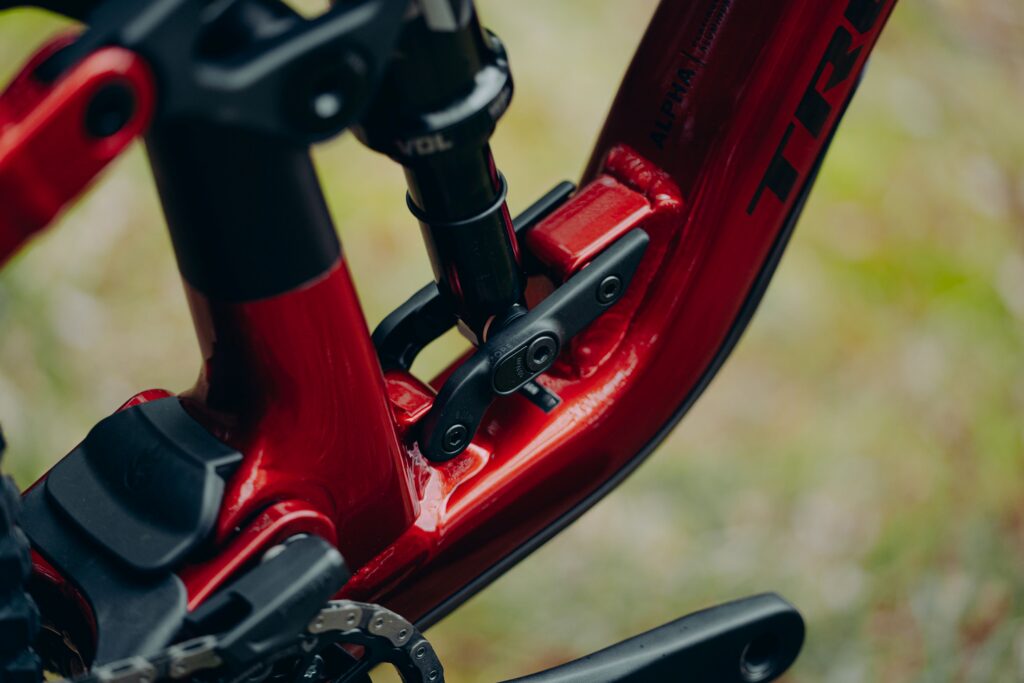
In other words, the Fuel EX platform is modular, but not modular in the “flip a chip and call it a day” sense. You’re paying for the ability to transform the bike into something burlier or more playful as your riding evolves, not a weekend-swap novelty.
It’s one of those bikes that makes you grin mid-ride. It’s not the lightest, not the slackest, not the most extreme – but it’s fun. And that’s often what matters most.
Unfortunately, I didn’t get the chance to ride the mullet (MX) configuration during my test window. The standard EX setup is where I spent most of my time, and while it impressed me, I’m itching to see how the MX configuration changes the bike’s personality.
Given how lively the Fuel already feels, I expect the MX setup to make it even more playful: sharper cornering, easier manuals, and a touch more confidence on steeper terrain. I’ll report back once I’ve spent proper time on that configuration, because it could be the baby bear’s porridge for Aussie trail riders who like to mix flow with fun in our ever-growing bike-park landscape.
Our Take
Trek’s latest Fuel EX 8 Gen 7 feels like the culmination of years of learning what riders want from a trail bike: balance, adjustability and fun. It’s a bike that doesn’t just look good on a spec sheet; it feels right on the trail.
For riders who like to tune their bike to their riding, the modular EX/MX/LX system is a brilliant concept. You can start with the EX, grow into the MX, or push to the LX if you’re riding heavier terrain. Just be aware those transformations aren’t plug-and-play; they’re proper conversions with parts, cost and setup time attached.
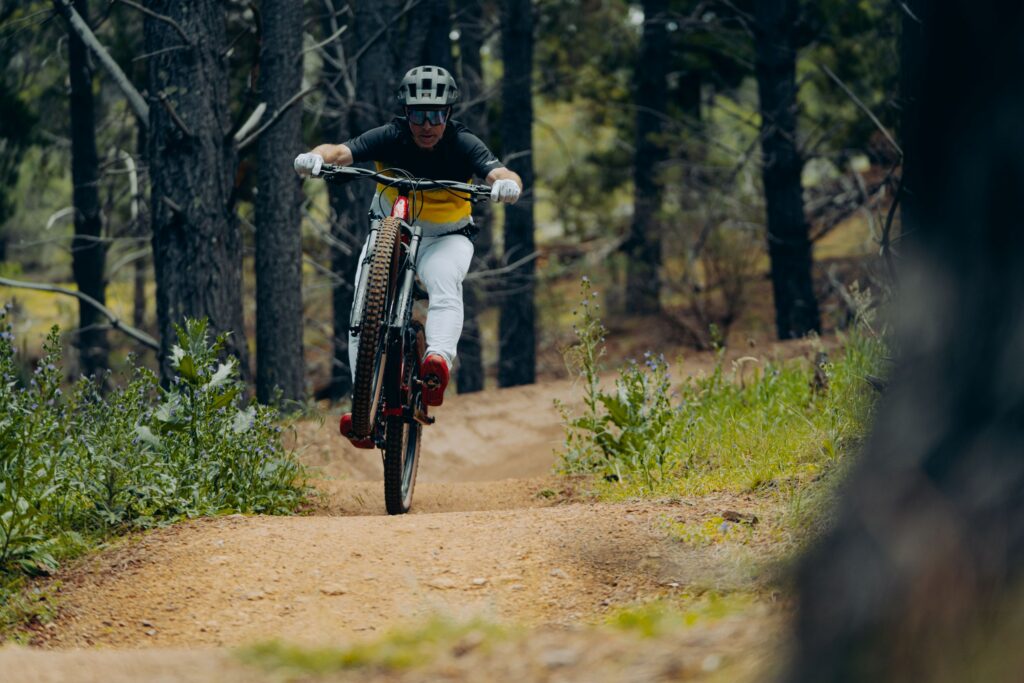
Regardless, this flexibility is also the biggest strength of the Trek Fuel. You can tailor the bike to suit your terrain, your progression or your mood as skills and confidence progress – something few frames genuinely offer.
In its standard EX setup, the Fuel EX 8 Gen 7 is already a brilliant all-rounder: lively, planted, confidence-inspiring and endlessly fun. I’ll report back once I’ve tested the mullet version, but even as-is, this is one of the most well-rounded and enjoyable trail bikes I’ve ridden in recent years.
At its heart, the Trek Fuel EX is a playful, adaptable trail bike that delivers real-world versatility and top-shelf fun, and a clever platform for riders who like to evolve their setup over time.
Trek Fuel EX 8 Specs
- Brand: Trek
- Model: Fuel EX 8 Gen 7
- RRP: $4,999.99
- Weight: 16.89kg (as tested)
- Frame: Material Alloy
- Fork: Fox Rhythm36,150mm
- Shock: Fox Performance Float X, 2-position 145mm
- Shifters: SRAM Eagle 70
- Derailleur: SRAM Eagle 70
- Crank: SRAM Eagle 70 170mm
- Bottom bracket: SRAM Eagle 70
- Chain: SRAM Eagle 70 T Type
- Cassette: SRAM Eagle 70 T Type
- Hubs: Bontrager alloy
- Spokes: Alloy
- Rims: Bontrager Line TLR 30
- Tyres: Bontrager Brevard Pro XR
- Brakes: SRAM DB8, 4-piston
- Stem: Bontrager Elite 35mm long
- Handlebars: Race Face Turbine, alloy, 35 mm, 40 mm rise, 780 mm width
- Seatpost: Bontrager Line 30 170mm
- Saddle: Bontrager Verse P3
From trekbikes.com/au | Available Sizes S,M,L.XL