Inside Pirelli’s New Scorpion Gravity Range
Choosing a mountain bike tyre should be straightforward: pick the tread pattern for the terrain, the casing for how hard you ride, and the compound for the balance of grip and durability you want. Simple in theory. Then the marketing department arrives with proprietary names, coloured labels and enough invented terminology to turn tyre selection into the Da Vinci Code.
Pirelli has overhauled its Scorpion Gravity range to bring the selection process back to those three basic decisions. Choose the tread pattern for the terrain, the casing for the level of support and protection you need, then the rubber compound for your preferred balance of grip, rolling speed and longevity.
Three tread patterns. Four casings. Three compounds. There are still plenty of options, but the language now does a much better job of telling you what you’re choosing.
Tread Patterns
Previously, Pirelli’s gravity tyres sat beneath the Scorpion umbrella with additional labels such as Race, Enduro, Trail and E-MTB. Pirelli’s old-to-new chart now brings the mixed-terrain versions of those tyres into Emperor, while the former Trail H, Enduro R and E-MTB R models move into Blacksting. The more aggressive S and T patterns from the Enduro, Trail and E-MTB ranges now sit under Redclaw. There was plenty of choice in the old range, but it wasn’t always immediately obvious which tread pattern you were actually choosing.
Now the Scorpions have names: Blacksting, Emperor, Redclaw. Clear, concise and, most importantly, different.
See how Pirelli’s new Scorpion Gravity tyres held up in our full review.
In simple terms, Blacksting is the faster option for firm and dry conditions, Emperor is the versatile all-rounder, and Redclaw is the open and aggressive option for loose terrain. There is enough crossover between the patterns that riders aren’t pigeonholed by their choice, but each tread now has a much clearer purpose.
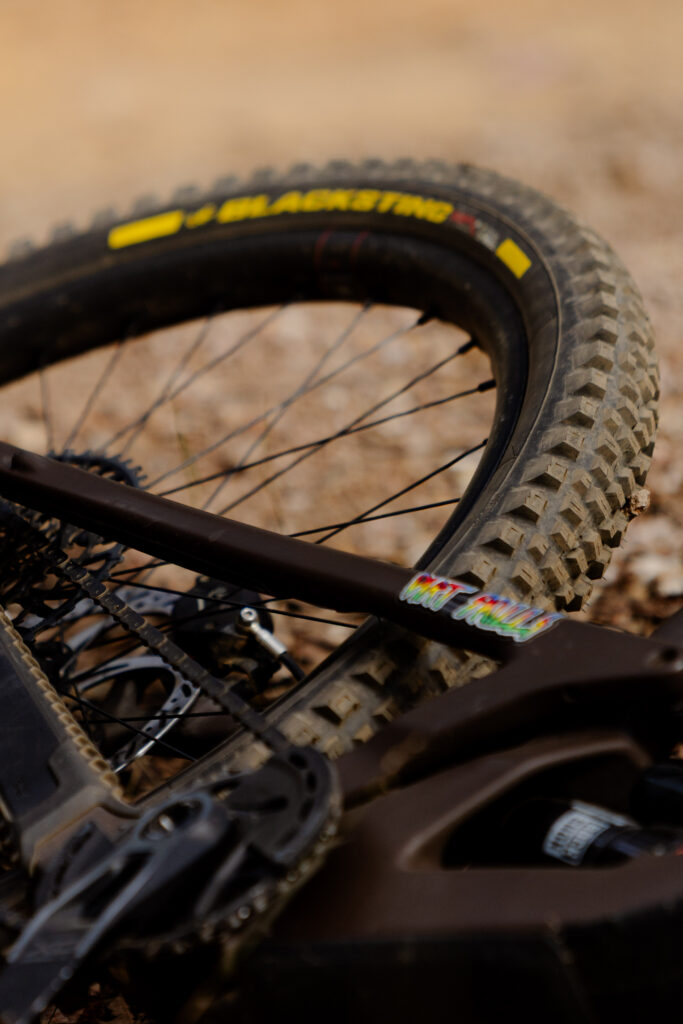
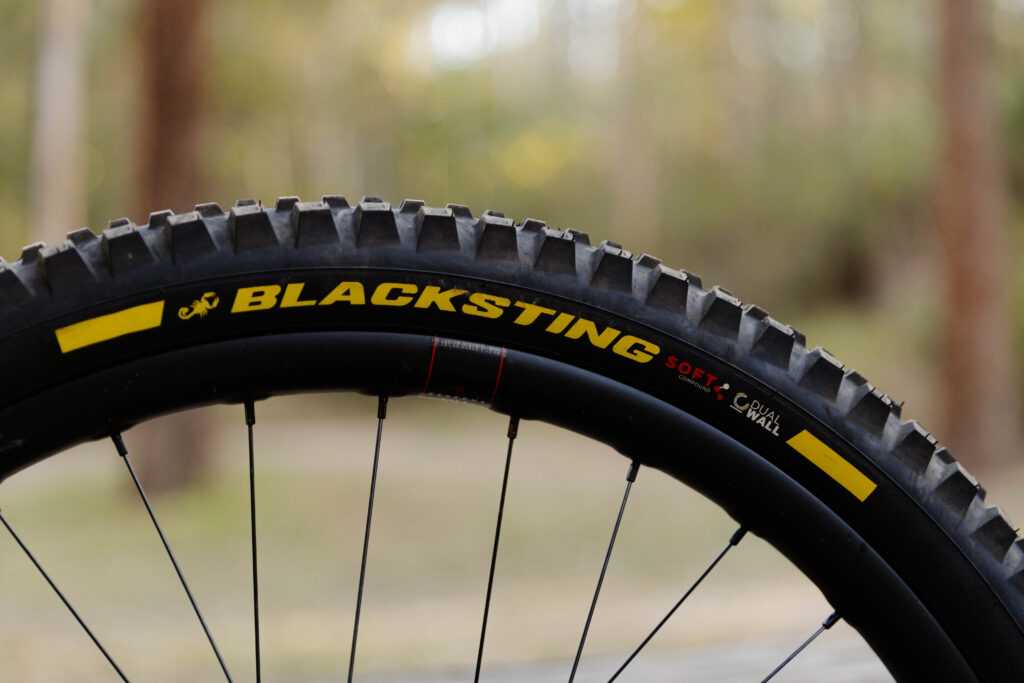
Blacksting Scorpions are hot-tempered, with thin pincers and a thick, powerful tail capable of delivering fast-acting venom. If you’re in the Middle East and unlucky enough to be stung by one, act fast. Thankfully the tyre is a little easier to live with. Blacksting is a completely new tread pattern, developed by Pirelli for fast rolling and hardpack. Less pronounced tread and tighter spacing between the blocks puts more rubber in contact with firm ground, reducing tread movement and helping the tyre roll quickly while maintaining predictable braking. Blacksting is the fast option for hardpack and dry conditions.
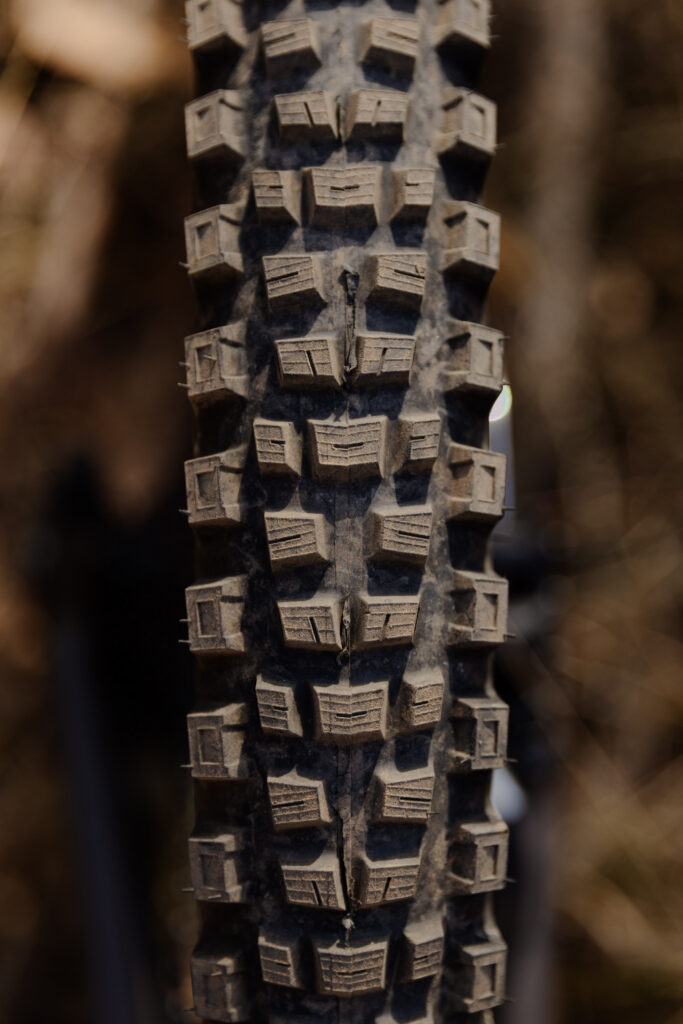
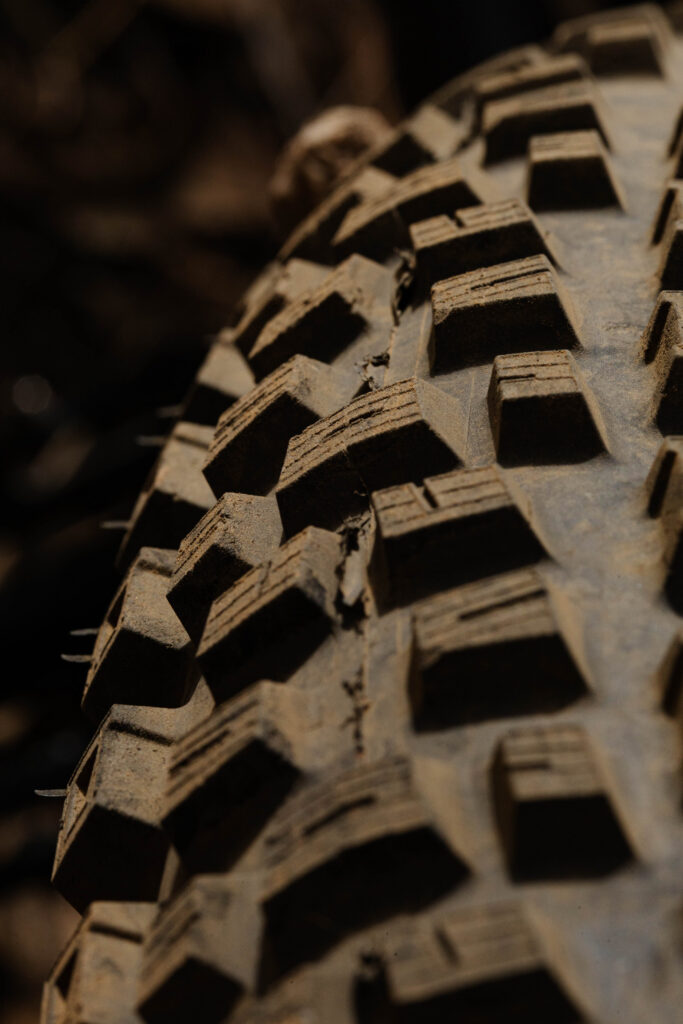
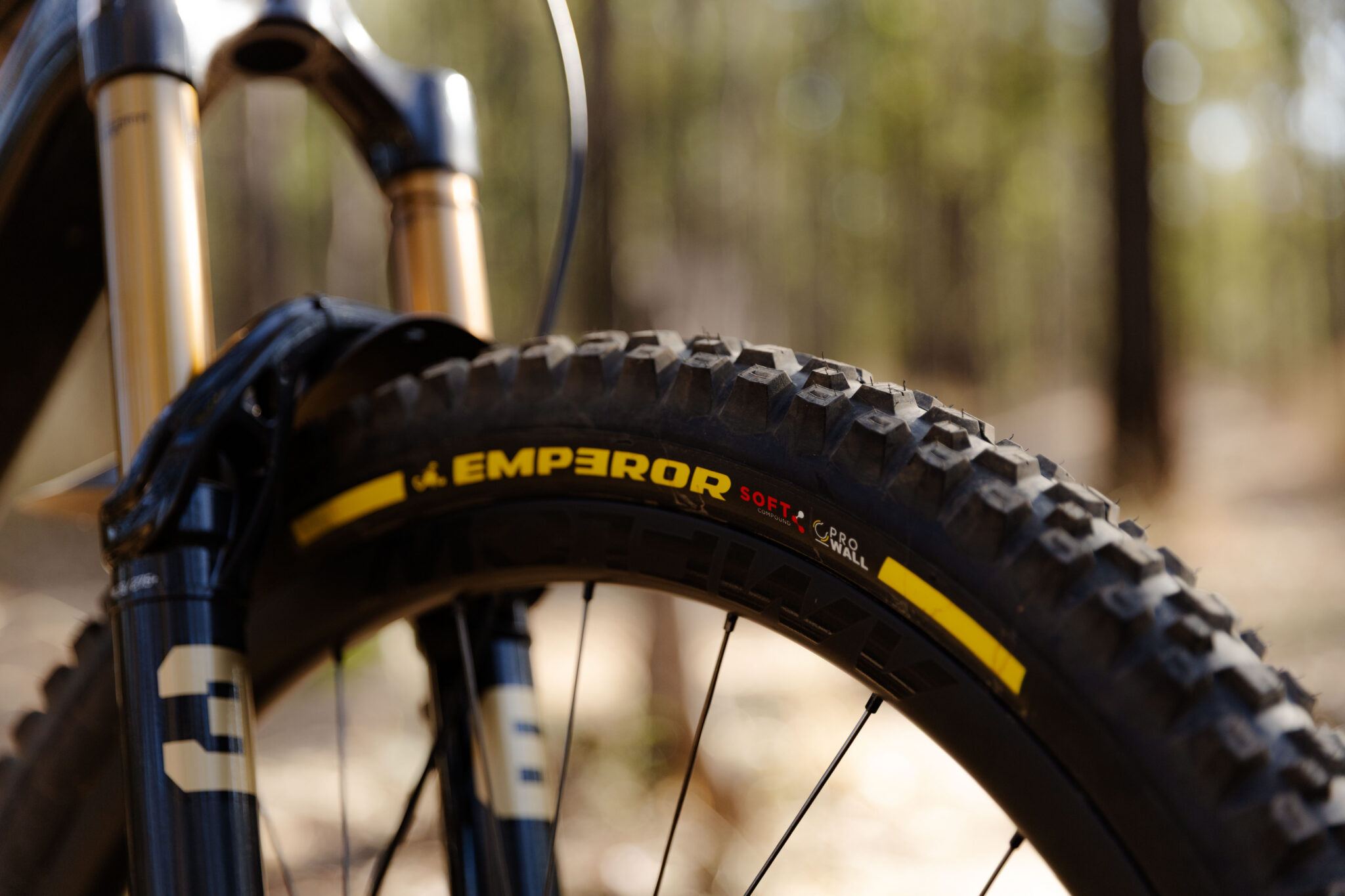
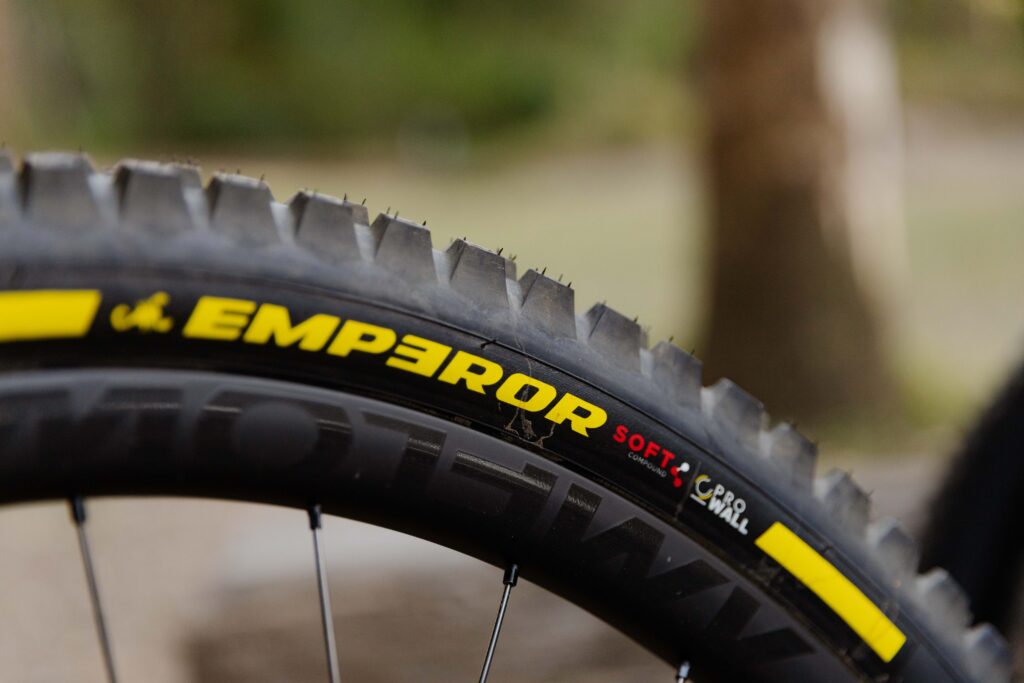
Emperor Scorpions are large and powerful. They rarely sting, preferring to use their substantial pincers to crush prey, and unlike many scorpion species they’re remarkably communal. The tyre carrying the Emperor name is similarly substantial, although considerably friendlier. Different side knobs and a revised land-to-sea ratio are designed to improve grip and damping, while the balance of well-supported tread and open space between blocks allows the tyre to predictably dig into a variety of surfaces. This is the all-rounder of the family.
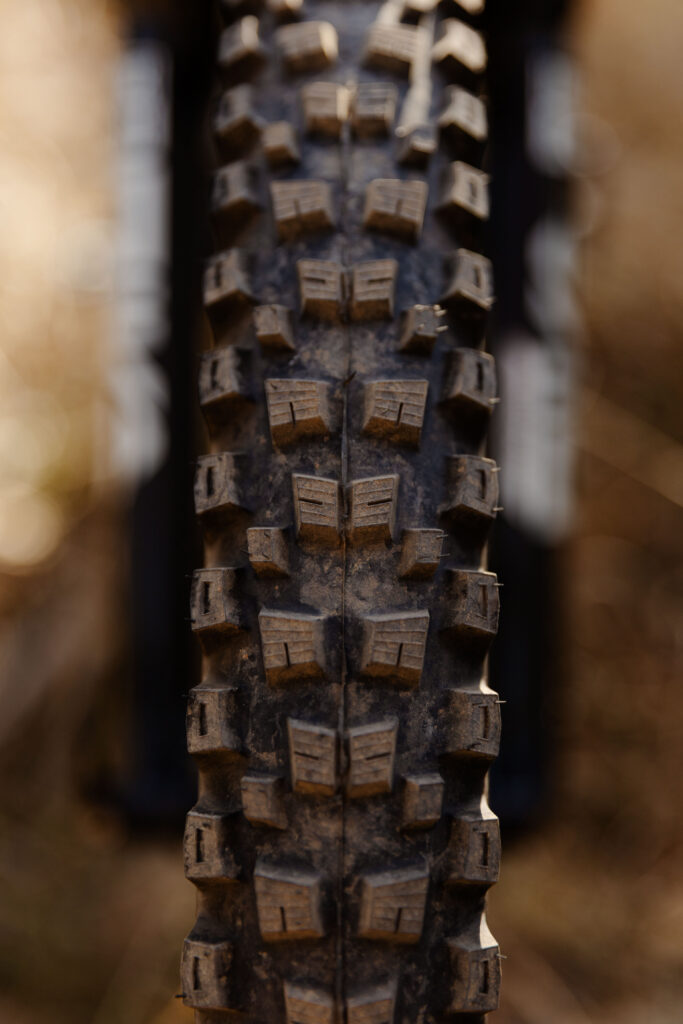
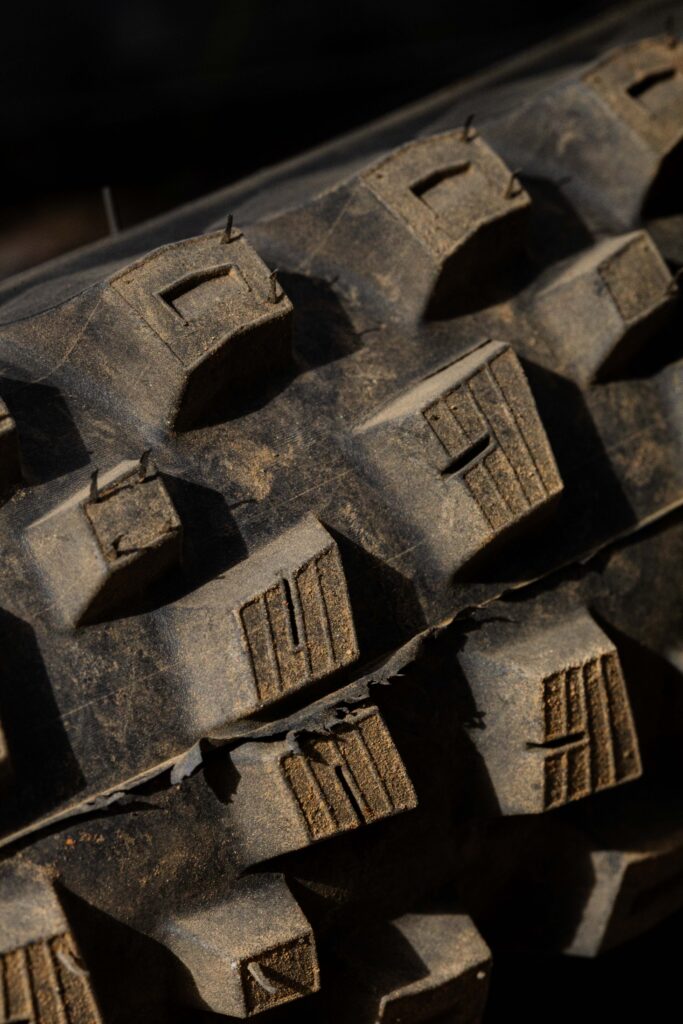
The Tanzanian Red Claw Scorpion is a striking species with distinctively large pincers. It’s only fitting that the tyre carrying its name is the chunky monkey of the Pirelli range. Large, widely spaced tread blocks are designed to dig into loose ground while providing plenty of support when the trail starts moving underneath you. Pirelli has reduced the knob count from the previous pattern, with the aim of generating more grip in intermediate conditions. Expect Redclaw to make sense when deep, dusty or loose terrain demands plenty of grip.
Tyre Casings
Once you’ve chosen the tread for the terrain, the next decision is how much tyre you want underneath you.
The balance between sidewall support, rolling speed, trail damping and protection can feel like an impossible juggle. Pirelli simplifies that decision with four increasingly robust constructions: ProWALL, HardWALL, DualWALL and DH+Wall.
ProWALL prioritises efficiency, HardWALL adds support and protection, DualWALL moves towards race-level resilience, and DH+Wall is the dedicated downhill option. As you work through the range the construction becomes progressively tougher. The trade-off is predictable: increasing support, damping and protection generally means adding weight and requiring a little more effort to get the tyre rolling. Pirelli has also revised fillers and plies through the range, changing the central footprint and sidewall construction to tune grip, support and damping.
ProWALL is the light and lively option. Sidewall reinforcement adds support and protection without wrapping the entire tyre in additional material. The result is an efficient casing suited to trail riding and lighter enduro use, where riders still want a tyre that climbs and accelerates efficiently without folding underneath them when things get interesting. For riders who value efficiency, ProWALL makes plenty of sense.
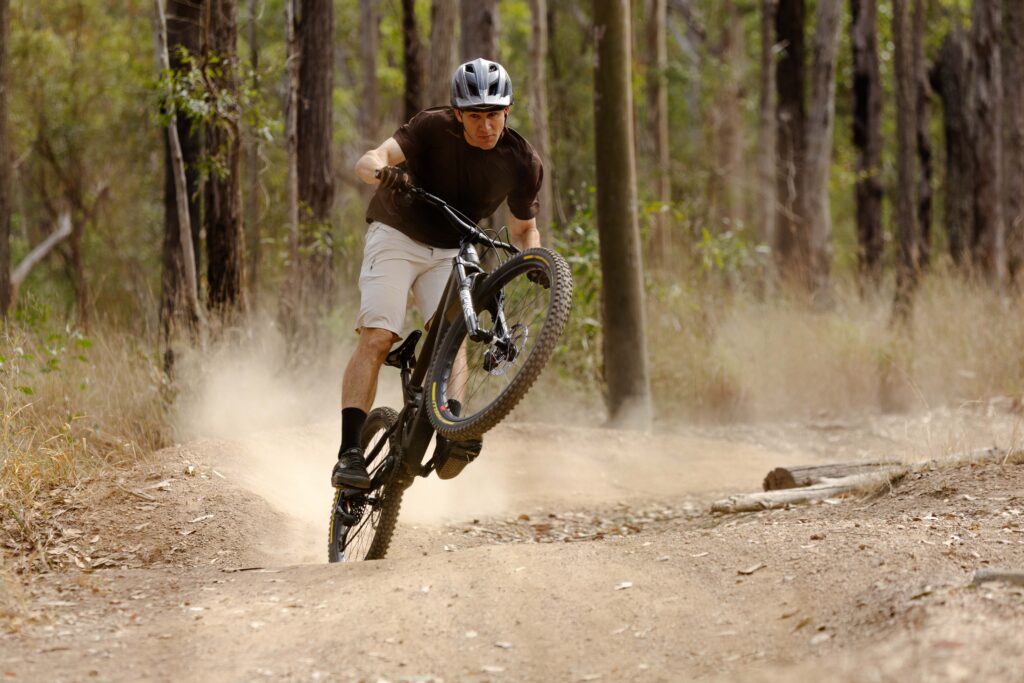
HardWALL takes the reinforcement further with protection running bead to bead. That provides additional support through the centre of the tyre as well as the sidewalls, making it better suited to aggressive trail and enduro riding. If you ride hard but still enjoy pedalling your bike to the top, HardWALL sits in a very useful middle ground.
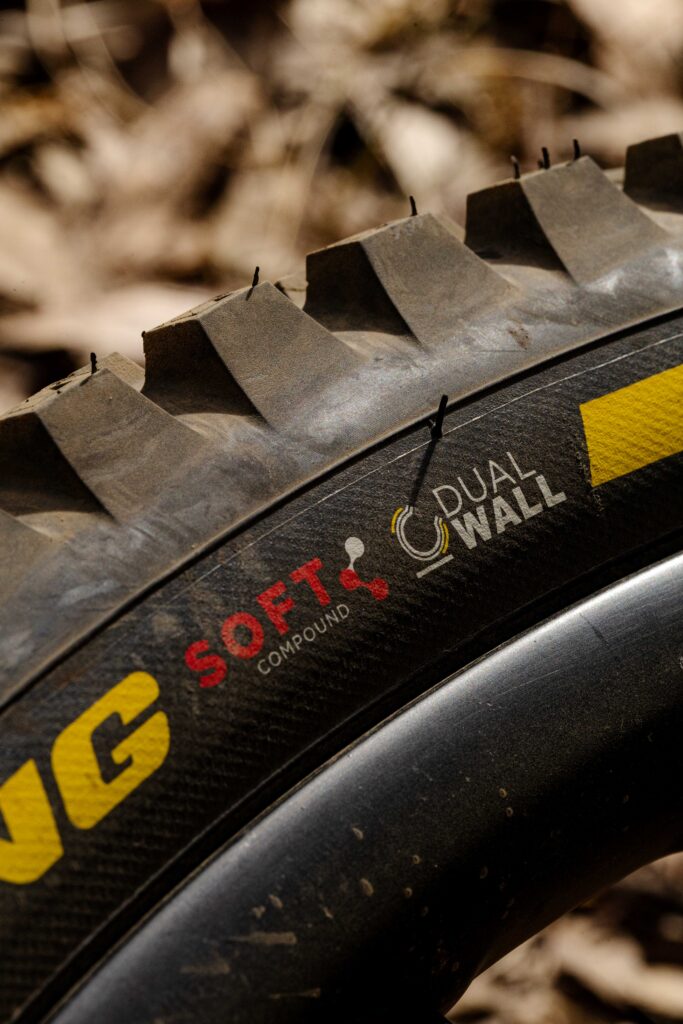
DualWALL is where Pirelli starts sacrificing weight in favour of resilience. Two layers of 120tpi casing, combined with additional sidewall support, increase protection, stability and damping. The finer 120tpi construction allows the tyre to retain compliance while providing the structure required for hard enduro riding, racing and bike-park use. It won’t accelerate as quickly as the lighter casings, but the additional support should help it remain supple and predictable as speeds rise and impacts become more aggressive.
At the top of the pile is DH+Wall, replacing the previous DualWALL+ construction as Pirelli’s dedicated downhill casing. It uses two robust 60tpi casing plies with reinforced sidewalls, along with revised fillers and reinforcement designed to maximise support and damping. DH+Wall prioritises stability, damping and impact resistance over rolling efficiency. This is the casing for downhill racing, bike-park punishment and riders who consider smashing through a rock garden a perfectly reasonable alternative to riding around it.
Rubber Compounds
With tread and casing sorted, the final decision is how sticky you want your rubber.
Pirelli has given its compounds the same treatment as the tread patterns and casings. Gone are names such as SmartGRIP Gravity and SmartEVO DH that required a little prior knowledge to understand. The new range is simply Medium, Soft and SuperSoft. No decoder ring required.
The progression is equally straightforward. Moving from Medium through Soft to SuperSoft increases grip and damping, while rolling efficiency and longevity gradually head in the opposite direction.
Medium is the sensible all-rounder. It offers the best rolling efficiency and mileage of the three compounds while retaining the grip required for serious trail and enduro riding. This is the rubber for riders who pedal to the top, encounter a broad mix of terrain and would prefer not to turn an expensive tyre into a slick after three weekends. Expect Medium to make sense where efficiency and longevity matter without giving away the predictable behaviour riders expect from a performance tyre.
Soft replaces SmartGRIP Gravity and sits nicely in the middle. It gives away a little rolling speed and longevity in return for increased grip and damping, without becoming a short-lived race-only compound. For riders who care more about how the bike behaves on the way down than squeezing every possible kilometre out of a tyre, Soft should hit a useful sweet spot. Plenty of grip, decent longevity and still sensible enough to live with every day.
SuperSoft replaces SmartEVO DH and does exactly what the name suggests. This is Pirelli’s maximum-grip rubber, designed to conform to the ground, absorb trail chatter and hang onto whatever traction is available. Predictably, there is a price to pay. It rolls slower and wears faster than the other compounds, but nobody chooses SuperSoft because they’re chasing exceptional mileage. This is race rubber for downhill, extreme terrain and riders who are happy to trade efficiency and longevity for superior grip.
Simple Names, Plenty of Choice
There’s nothing revolutionary about separating tyre choice into tread pattern, casing and rubber compound. Every major tyre manufacturer does some version of it. What Pirelli has done is make its own system considerably easier to understand.
What terrain are you riding? Choose the tread.
How much support and protection do you need? Choose the casing.
How much rolling efficiency and longevity are you prepared to trade for grip? Choose the compound.
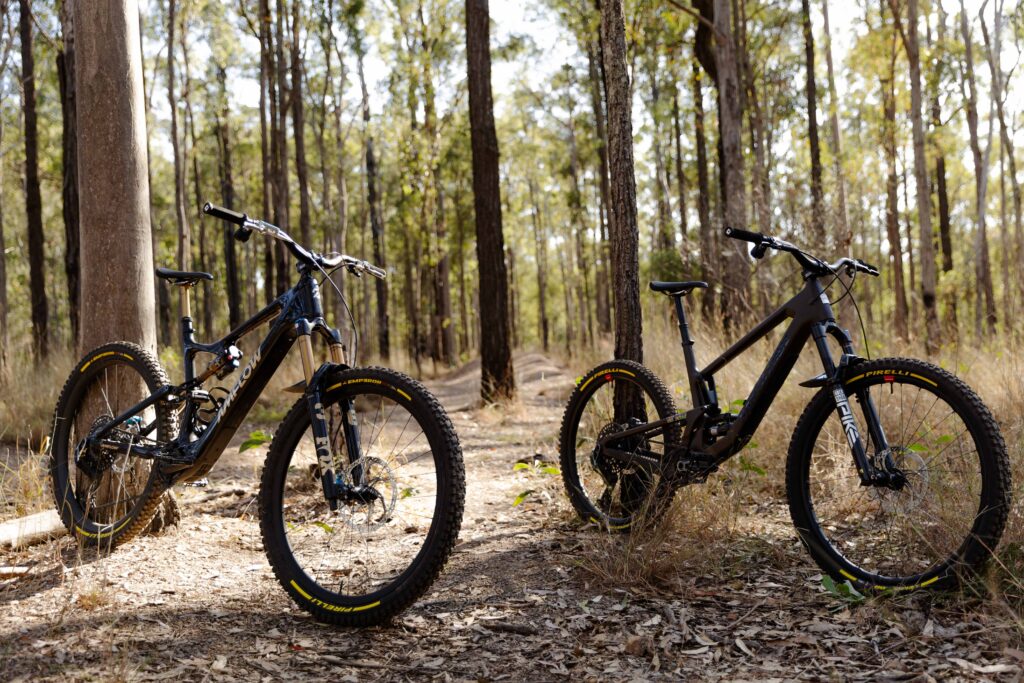
I’ve tested a few combinations: Emperor in ProWALL and HardWALL, along with a Blacksting DualWALL. They’ll be split between my trail bike and e-bike, giving me an opportunity to compare not only the tread patterns but how the different casing constructions affect support, damping and rolling speed.
See how Pirelli’s new Scorpion Gravity tyres held up in our full review (coming soon).
For now, the biggest improvement is simply clarity. Pirelli hasn’t reinvented the way mountain bike tyres are selected; it has made its own range easier to decipher.
Understanding what a tyre is designed to do is one thing. Finding out how it behaves on the trail is another. Time to get these things dirty!