Which Cross Country Tyres Should You Run? 14 Options Tested
Want to grip it and rip it? We put 14 of the best cross country tyres on the market to the test so you don’t have to!
In early 2024, AMB delivered one of the most thorough comparative tests of trail and enduro tyres to date. It was no mean feat, with four testers in constant discussion around compounds, casings, tread patterns and test results. Given tyres are your only contact patch with the dirt (all going well), choosing the right ones – and setting them up properly – makes a huge difference to both your enjoyment and performance on the bike. With that in mind, an in-depth cross country tyre test was always in the pipeline.
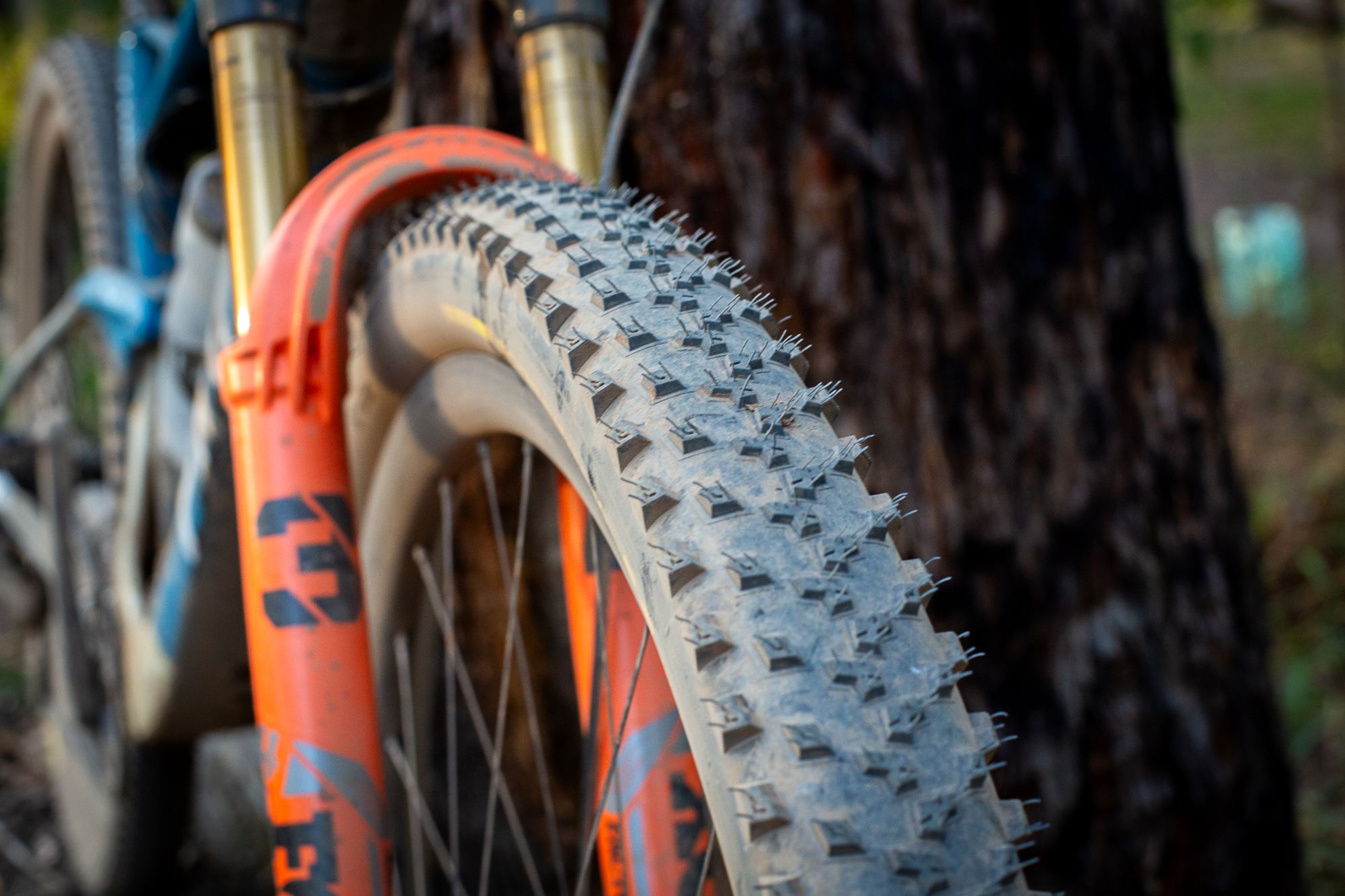
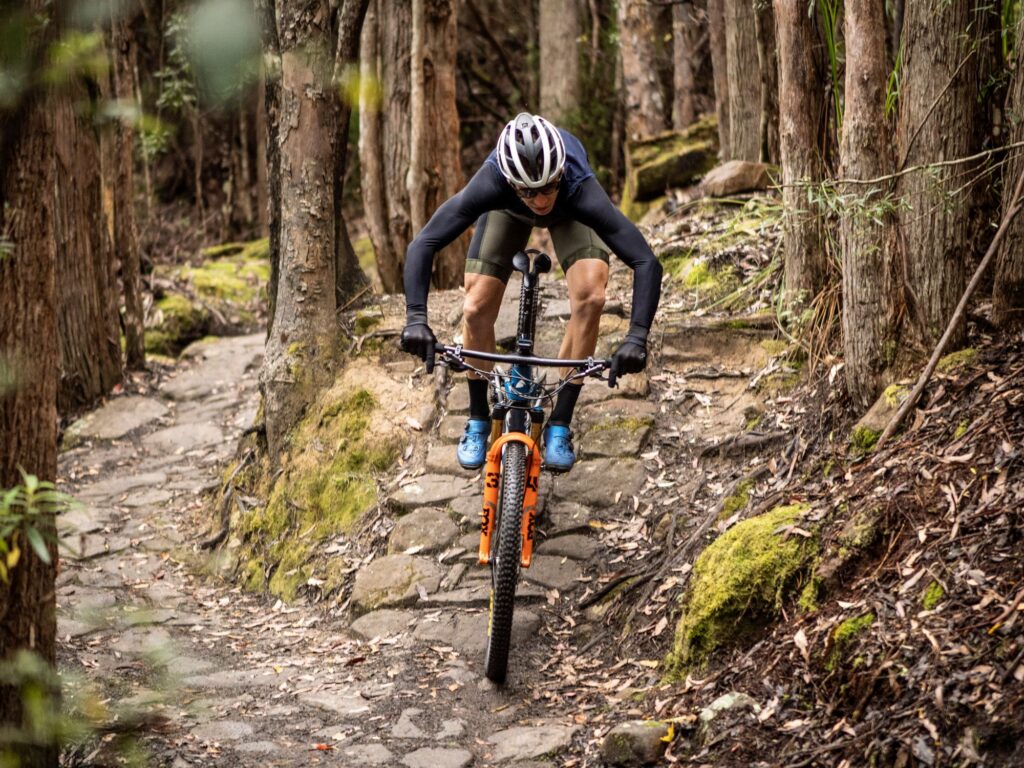
The demands of an XC tyre are extensive – have you watched a recent World Cup or major marathon stage race? The terrain is as varied as it is demanding. A tyre needs to be light, fast-rolling, and still strong enough to handle major rock gardens, sizeable drops and surprisingly large jumps. The world of XC racing produces some very specific tyres – from semi-slicks through to narrow mud tyres.
While most of us will err towards an all-rounder for general XC and light trail riding, having a pair of semi-slicks or mud tyres on hand can make a real difference when conditions change at a race. The 2021 National XCO Championships in Maydena are a perfect example, with the same tread pattern winning three different titles after the course turned to mud following days of blown-out dust.
The mix of tyres we have on test covers a wide spectrum, but mostly with a nod towards the demands of modern XC riding and racing. Most tyres are wide and high-volume, with specific rubber compounds and casings designed to maximise grip and strength while minimising rolling resistance.
This test includes not just the weight of each tyre, but also perceived rolling resistance, stability at low pressures, the terrain each excels in, and relative grip for acceleration, braking and cornering.
Understanding the cross country tyre specs
Most of the tyres tested represent the premium option for their respective tread pattern. This often means a higher-end casing, rubber compound, or both. Most tyre ranges also include different models to suit various budgets.
Just like with trail or enduro tyres, matching the casing to your riding style is essential. The majority of tyres tested used the lighter and more supple casing from each manufacturer, although a few models featured trail casings. Heavier or more aggressive riders may prefer these tougher options, as they provide the extra support and ride feel needed for harder riding.
Similarly, most of the tyres we tested used premium rubber compounds. This doesn’t always mean the tackiest option, as there’s a balance to be struck between grip and efficiency. Some riders may prefer harder-wearing compounds for longevity, while others will opt for softer rubber to deliver more ‘chemical’ grip on their local terrain.
Pressure test
While I’ve read reader feedback in the past suggesting that fine-tuning tyre pressure makes no noticeable difference on the trail, years of experience and testing data say otherwise. If you’re reading this group test and looking to choose the right tyres for your riding – or even racing – don’t buy a single tyre until you invest in a good-quality digital pressure gauge.
Start checking your tyre pressures before each ride, and if you’re really keen, test them again afterwards. The tyres will likely be warmer, and you might notice an increase in pressure compared to when you first pumped them up. Take notes – use your phone, a notepad, whatever works. Record what you notice, both good and bad, so you can review it later. Tyre setup is a process worth building into your ride prep if you want to get the most out of your time on the dirt.
Tyre pressure affects everything: flat protection, sidewall support, cornering grip, braking traction, and climbing performance. Be consistent and do what works for you – because in time you’ll learn exactly what delivers the best results for your riding.
Tubeless technology for cross country tyres
All of the tyres were set up tubeless, and AMB has previously published articles on troubleshooting tubeless systems. Before blaming your tyres for repeated flats, check your rim tape, valve cores, valve-to-rim seal, and the age of your sealant.
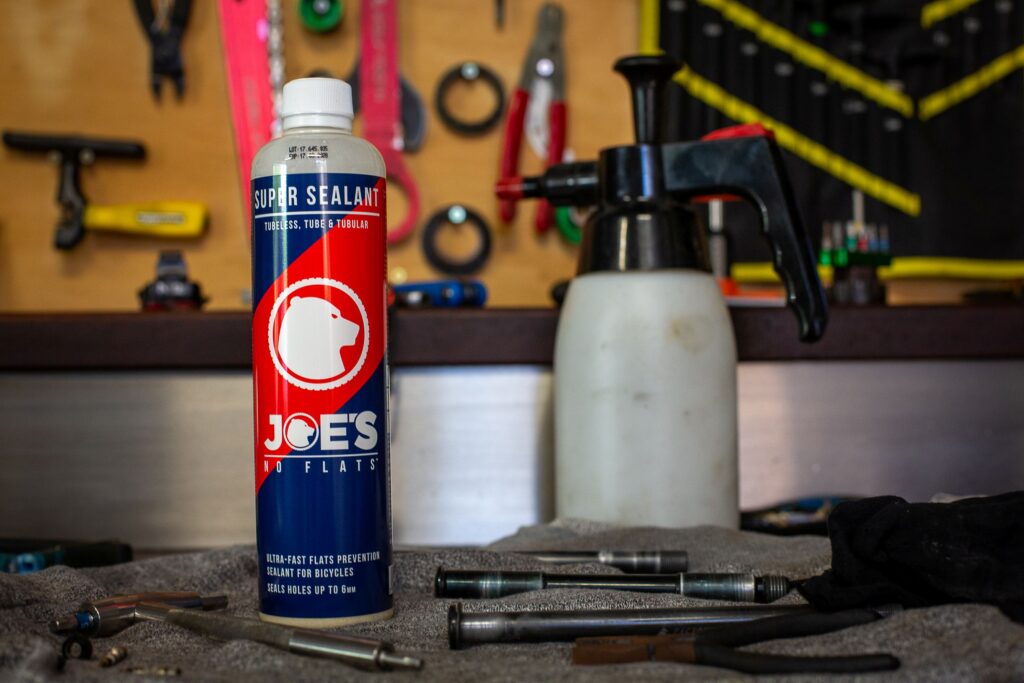
Most sealants lose effectiveness after around six weeks (especially in summer), so it’s best to rinse out and replace rather than just topping up. Many of the tyres on test will stay airtight even without sealant if the system (tape and valve) is sound.
Read: AMB tubeless sealant group test
If you’re having ongoing tubeless issues, head to the Workshop section of our website for detailed guides and tips.
Test process and considerations
I used two identical wheelsets to allow for easy back-to-back swaps – not just for efficiency, but because it makes performance differences far easier to detect. Many riders simply get used to the tyres they’re running, so being able to make immediate changes at the trailhead is a real advantage.
All tyres were brand new, set up with fresh Joe’s NoTubes sealant, no inserts, and a base pressure of 22psi in the rear and 20psi in the front. While I’d normally run a light insert in the rear wheel, I tested without any to ensure the specific merits or shortcomings of each tyre were more apparent. Vittoria was the only brand on test offering its own dedicated XC tyre insert.
Every tyre was ridden on the same test loops, though I also travelled to South Australia and Tasmania with some models, as noted in each review.
Trail conditions varied over the months of testing but were typically dry and deteriorating, ranging from hardpack to loose-over-hard surfaces. Some test rides were also carried out on rocky terrain, while others took place on wetter trails and sandy loam.
Based on feedback from the Trail and Enduro tyre test, this XC test relied on one rider’s feedback for all tyres to maintain consistency. Of course, every rider is different – heavier or lighter riders may not have the same experience as I did.
Tester
Rider: Mike Blewitt
Height: 178cm
Weight: 72kg
Special move: Staunchly grounded
XC experience: #XCAF. Set up a XC/XCM focused team just so he could be on one.
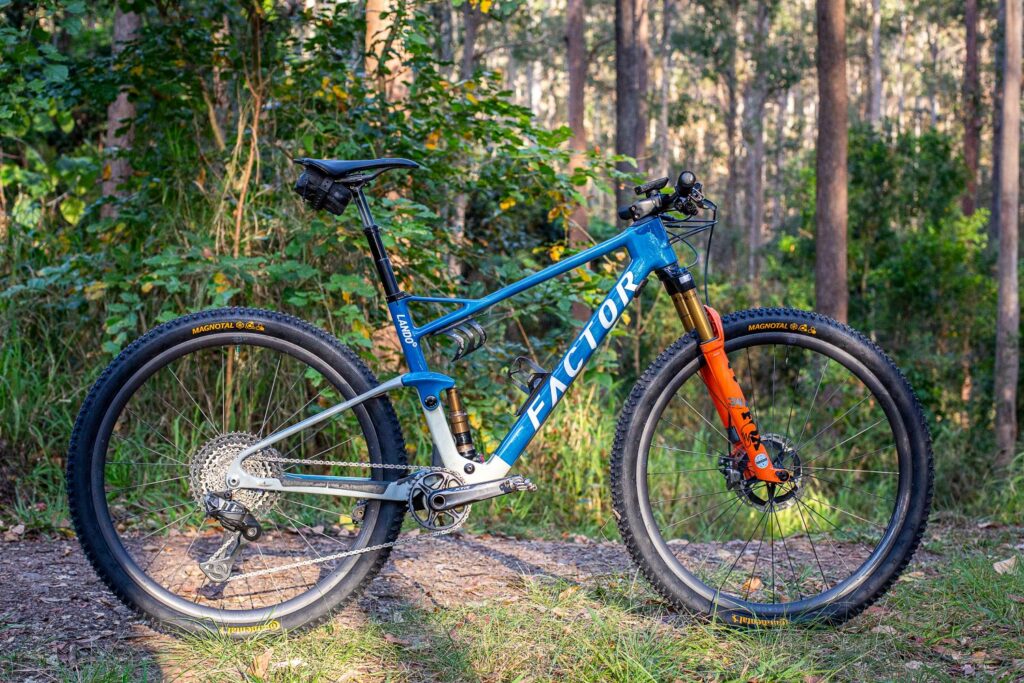
Bike: Factor Lando XC – 120/115mm travel
Test wheels: Black Inc 27 (27mm internal)
Pressure: 20F/22R baseline
Sealant: Joe’s NoFlats
Inserts: None
CST Jack Rabbit II PRO
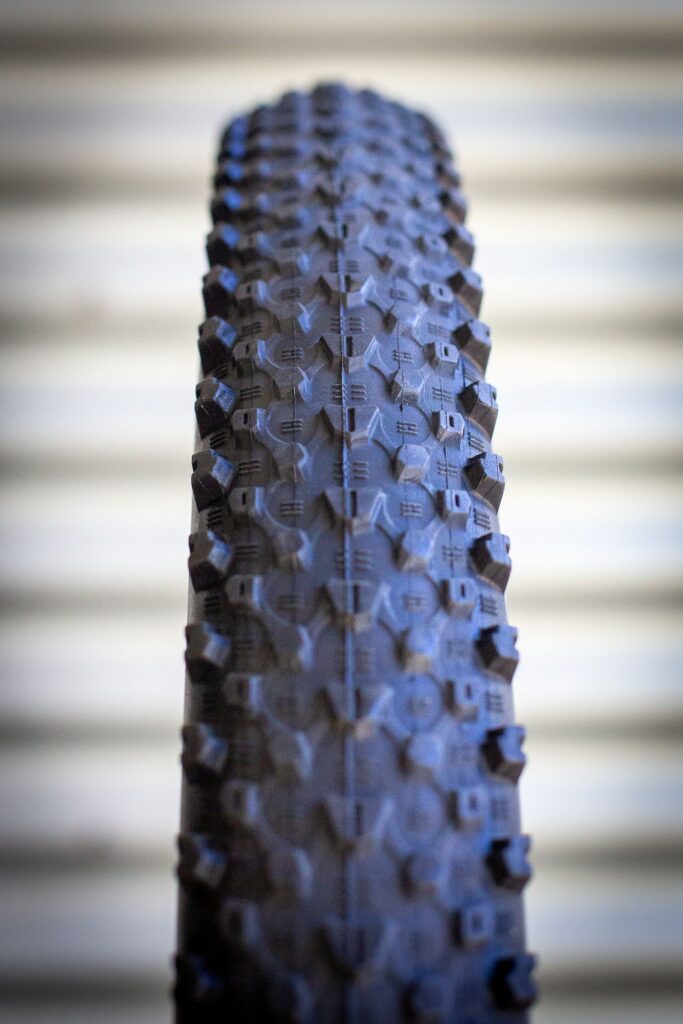
The CST Jack Rabbit II PRO might be the surprise of the test. An update from the Jack Rabbit adds tread stability for what is designed as an all-purpose XC tyre. The 120tpi casing feels supple if not a bit thin in the hand, although the EPS acronym means there is a puncture protection strip in there. CST is the parent company of Maxxis, and rumour has it they test compounds and casings under this banner. The tread pattern is a wide spread of smaller tread blocks, with plenty of ramped edges to reduce rolling resistance.
Trail Performance and Ride Feel
Value tyres often feel like gumboots, but the Jack Rabbit was anything but. The 2.35” tyre had a lovely round profile giving a light feel and easy movement for changing lines. With low overall weight the tyre rolled fast.
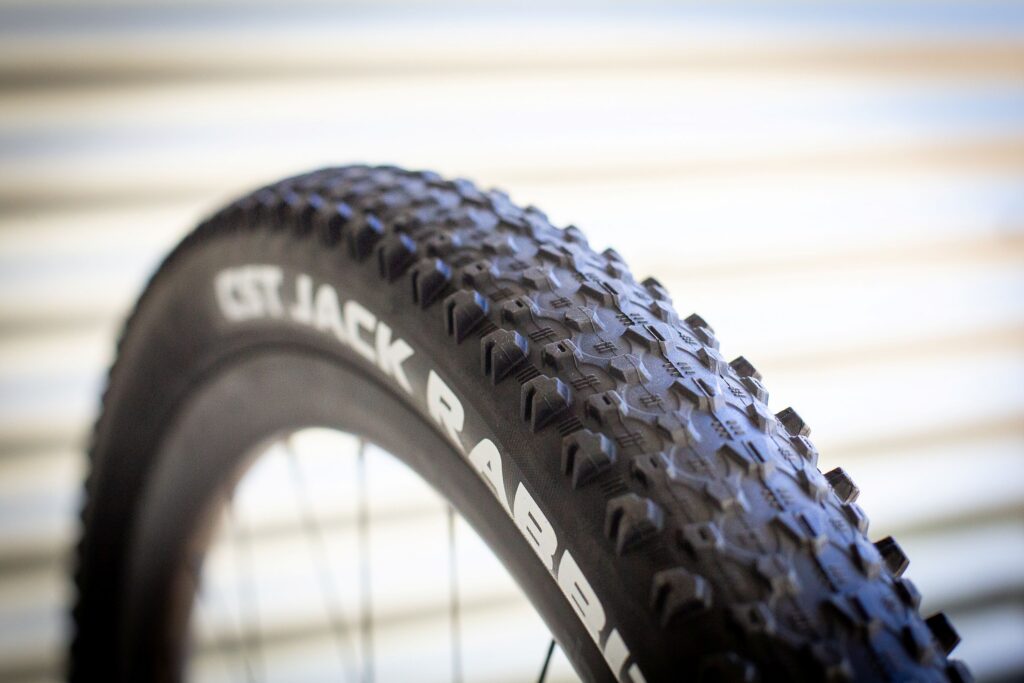
With a full set of tread the climbing traction is really good, both in and out of the saddle. The update to the original Jack Rabbit adds a low height tread bridge which must add some more stability to the tread. This makes sense as even leaning hard on hardpack or paved surfaces, they deliver a consistent feel.
The Jack Rabbit felt good when cornering, even on the loose over hard that typified the long test period. The edge knob sits tall and holds a line in soft terrain. Like most tyres it did break free in last minute braking into loose corners – but it did remain predictable.
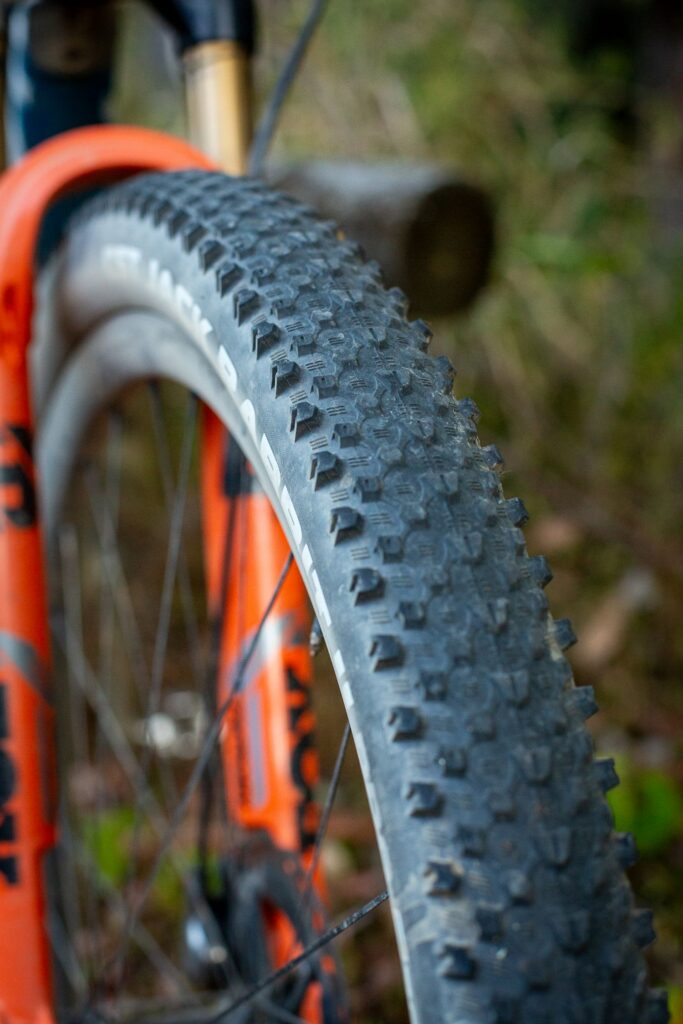
While the casing felt thinner than a Maxxis EXO casing, the support on the trail felt no less. Even with sharp rocks coming through dry and powdery trails, the Jack Rabbit rode surprisingly well – while not forgetting it was an XC tyre.
Final Verdict
This is a high-value tyre that really impressed me. At nearly half the cost of some tyres on test, the tread wore well in the test period and the only surprises the tyre threw up were good ones. An excellent choice for the money.
Key Specs
Size: 29 x 2.35” | Measured: 54mm
Weight (confirmed): 681.0 g (claimed 681.0 g)
RRP: $79.95
From: kwtimports.com.au
Best for: XC riding in mixed conditions
Maxxis Aspen
The Maxxis Aspen is a favourite for racers around the globe. With little change in over a decade to the basic tread layout, recent updates to casing sizes, casing options and rubber has meant the Aspen has stayed on top. The 120tpi casing is well-known, with a 170tpi ‘Pro Only’ option also available. The MaxxSpeed rubber has added grip and durability while reducing rolling resistance compared to previous models.
Trail Performance and Ride Feel
I’ve used an Aspen on and off for about 15 years, but the latest 2.4” EXO MaxxSpeed model would be the best yet. While I’ve erred on riding the Aspen as a rear only, running front and rear for the test was a reminder that the Aspen grips more than you’d think.
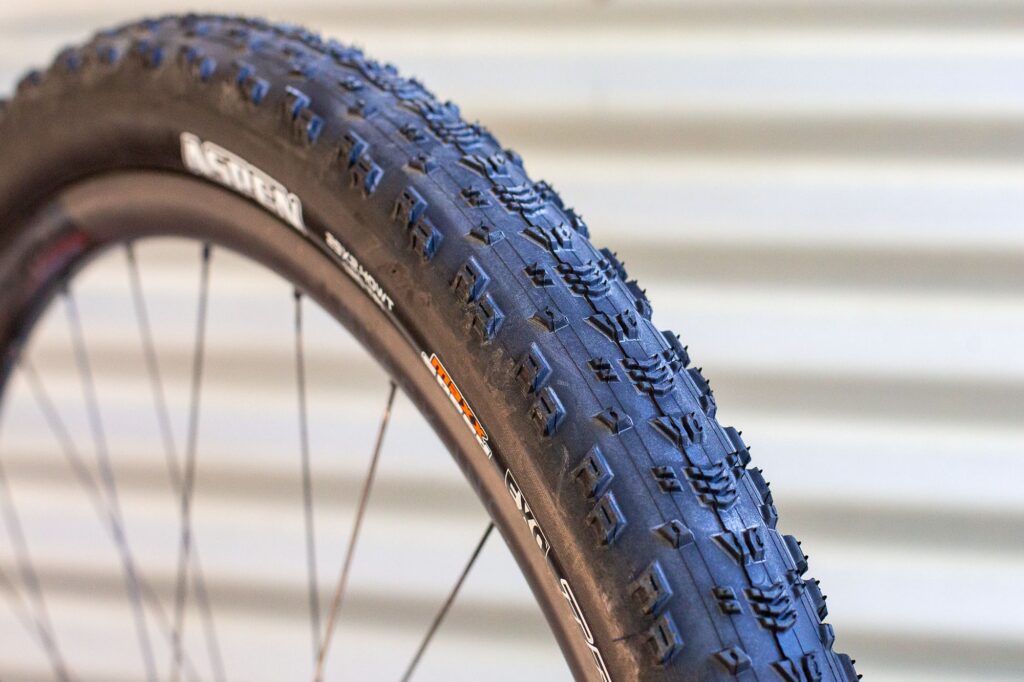
The round profile and low tread height rolls fast and feels light under steering input. The straight line braking and accelerating is quite good considering the very low centre tread, but is best in hardpack conditions and the slightly loose over hard typical of so many Aussie trails. Climbing is fine but if it’s loose you’ll want to manage your position to keep the back wheel stuck down.
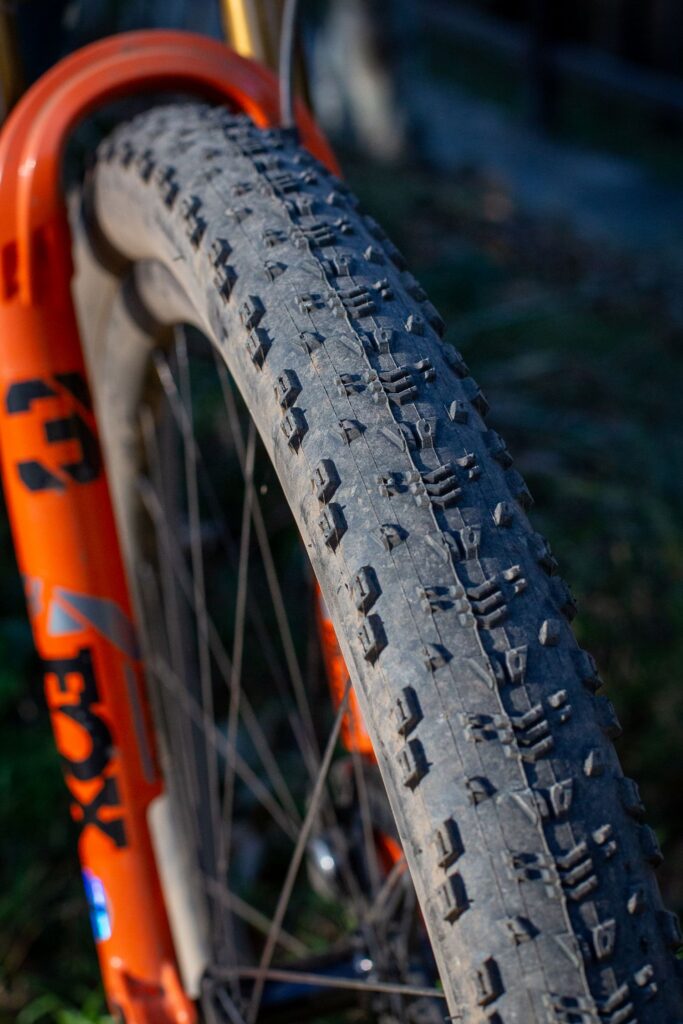
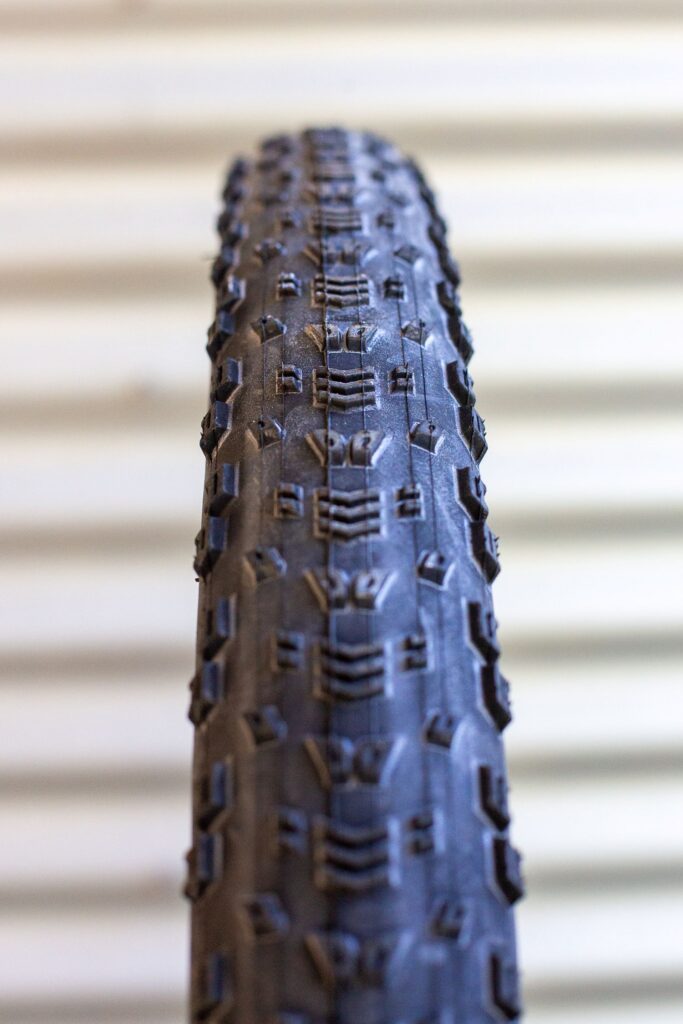
Cornering grip is good when riding hard. If you push the Aspen over to the edge knob there’s actually more support than you’d imagine. This comes unstuck in last minute braking on looser terrain, where you’re relying on the minimal transition knobs for some control. The Aspen will punish a lack of forethought in loose terrain.
The EXO casing is strong, and the 170tpi casing is an attractive option for lighter riders or pure hardpack terrain.
Final Verdict
The Aspen is a go-to dry to mixed conditions race tyre and has earnt its place. While it will work as a race tyre for many, as a day-to-day tyre the low tread height may mean frequent replacements. Despite better wear with MaxxSpeed you need to remember that if you’re training lots, you’ll want fresh rubber for race day. Keep that in mind and this is a great race tyre.
Key Specs
Size: 29 x 2.4 | Measured: 55.5mm
Weight (confirmed): 768.5 g (claimed 760.0 g)
RRP: $109.95
From: kwtimports.com.au
Best for: Dry to mixed conditions racing
Maxxis Aspen ST
There were spy shots of the Aspen ST for years before it was released, with the likes of Nino Schurter and Lars Forster running the file tread design at the Cape Epic in 2022, amongst other races. The Aspen ST blends the Aspen with a file tread pattern on a cyclocross tyre, but in 2.25” and 2.4” sizes on 120tpi or 170tpi casings. This has found favour with gravel racers thanks to the high volume and low tread height.
Trail Performance and Ride Feel
There should be no surprises that this is a fast tyre – once described as being ‘faster than traction’. But that’s not to say the Aspen ST doesn’t grip! The low tread height means a lot of rubber is in contact with dirt, but that is optimised in hardpack conditions.
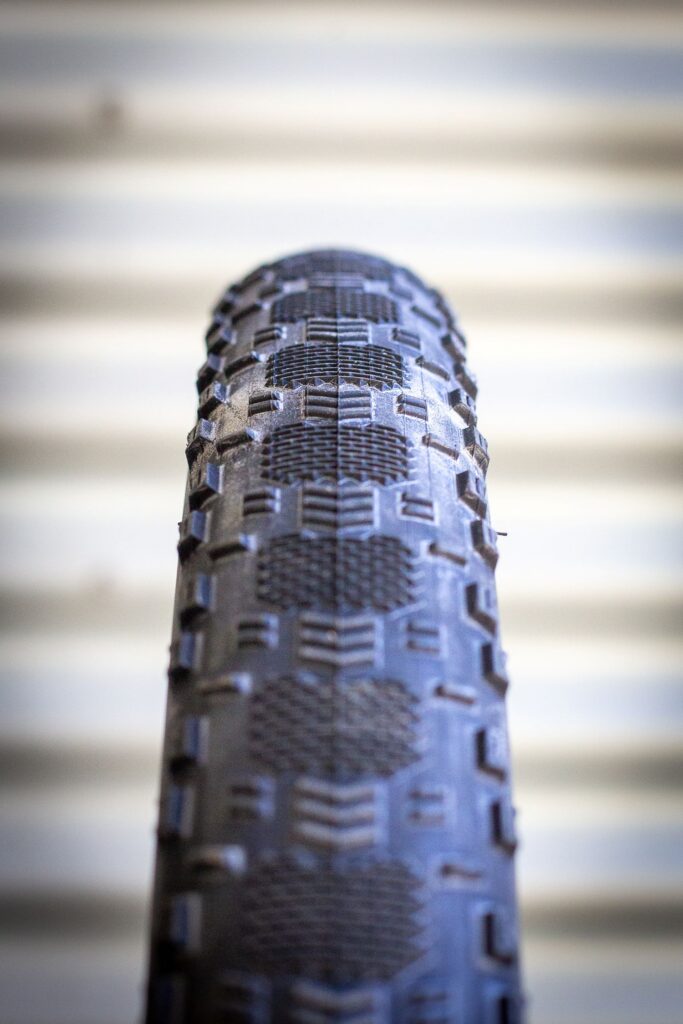
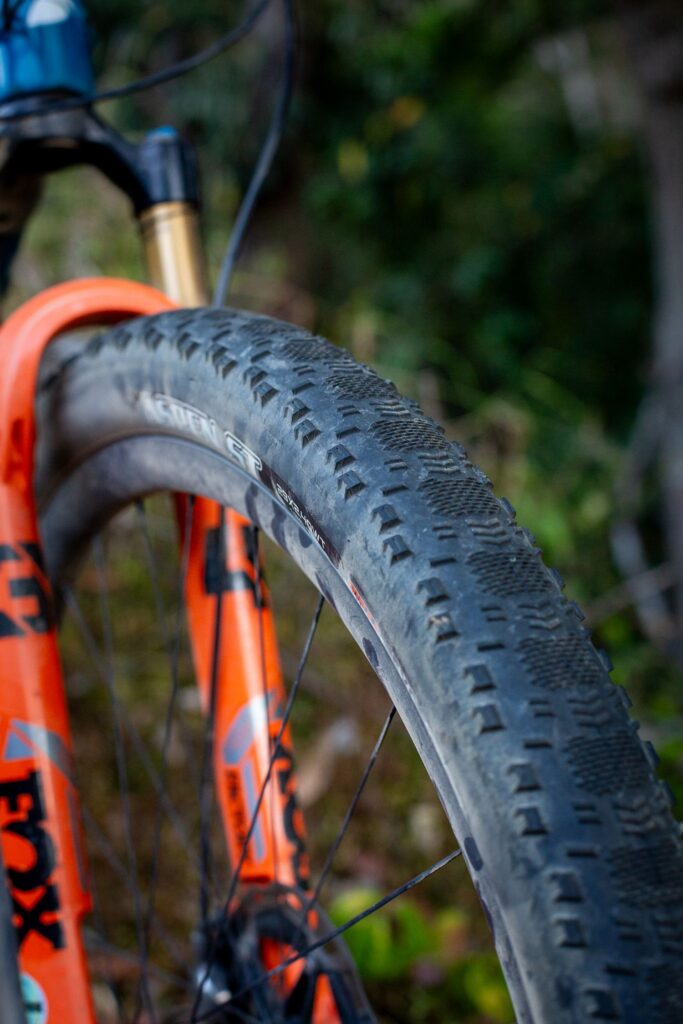
It’s easy to roll away from others with the Aspen ST, although that can also change the pace you hit entering corners on trails. The straight line braking traction and cornering is ok, but both do better with planning and precision. On hardpack and some loose over hard out of the saddle accelerations are also passable. Given traction with the Aspen ST leans on the footprint of the tyre, setup is crucial: too hard and you’ll bounce off everything, but get it right and there is a lot of rubber on the dirt to grip.
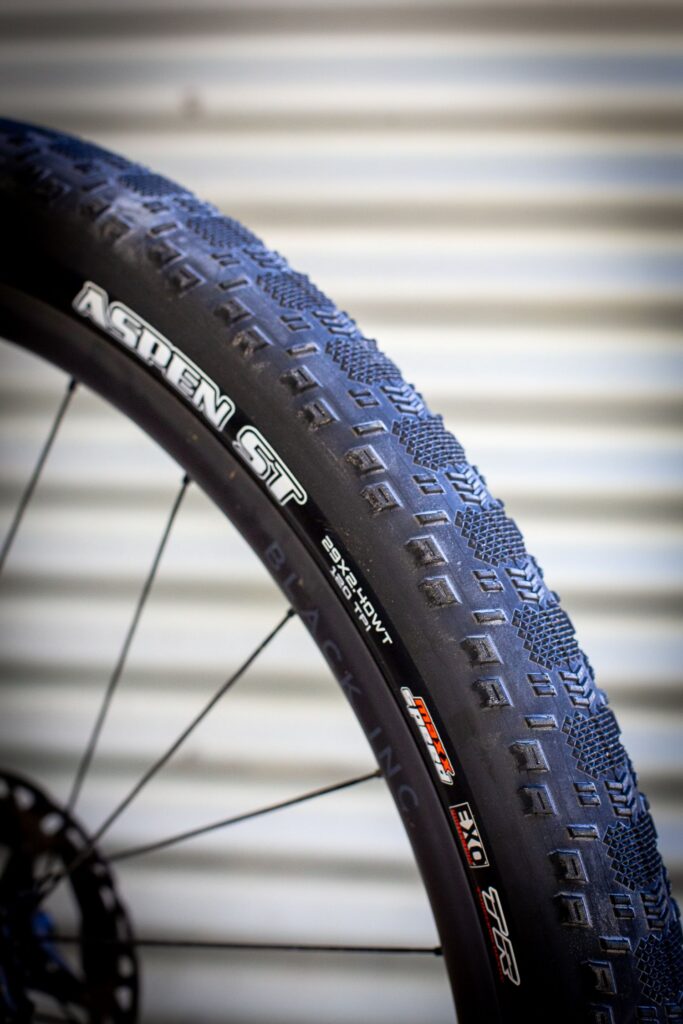
With the control pressures I found the Aspen ST really comfortable. While I was a bit nervous in rockier terrain, the real downside is very loose terrain where your chance at finding traction is low, given the negligible tread and barely there edge knobs.
Final Verdict
A fast tyre that suits a precise setup and precision rider – as such it’s an ideal race tyre for the right course. The Aspen ST took Keegan Swenson to the Marathon Worlds win, and this tyre can be part of a winning ride at your local club race as well. Best suited for racing more than a daily driver, get the setup right and enjoy the free speed.
Key Specs
Size: 29 x 2.4 | Measured: 55.5mm
Weight (confirmed): 749.5 g (claimed 750.0 g)
RRP: $109.95
From: kwtimports.com.au
Best for: Dry conditions racing all over the country
Maxxis Rekon Race
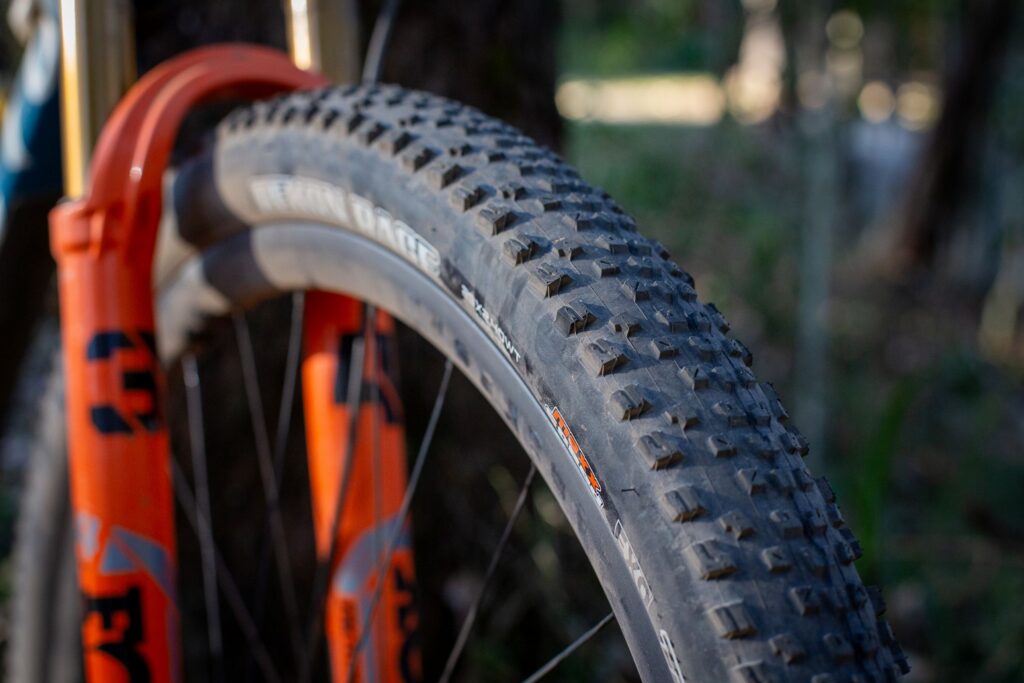
The Maxxis Rekon Race is a popular tyre in part because it gets a lot of original spec on bikes, and also as it’s visually a ‘grippier’ looking tyre than an Aspen, and faster looking than a Rekon. The model tested is the MaxxSpeed EXO tyre, likely better rubber and a better casing than what comes stock on many bikes. I’ve always found a Rekon Race inflates with a huge bag, and volume counts for XC. With a tread pattern that has lots of small, ramped blocks from the centre to the edge – does this low profile tyre really deliver?
Trail Performance and Ride Feel
The Rekon Race can be a versatile tyre. It rolls fast enough thanks to low tread height and closely spaced tread, with fairly even and predictable handling for the same reason. It’s no flyweight, due to the sheer volume of tread knobs, but I have often reached for a Rekon Race as it can be versatile – save for clay-like terrain, which is the nemesis of most tyres.
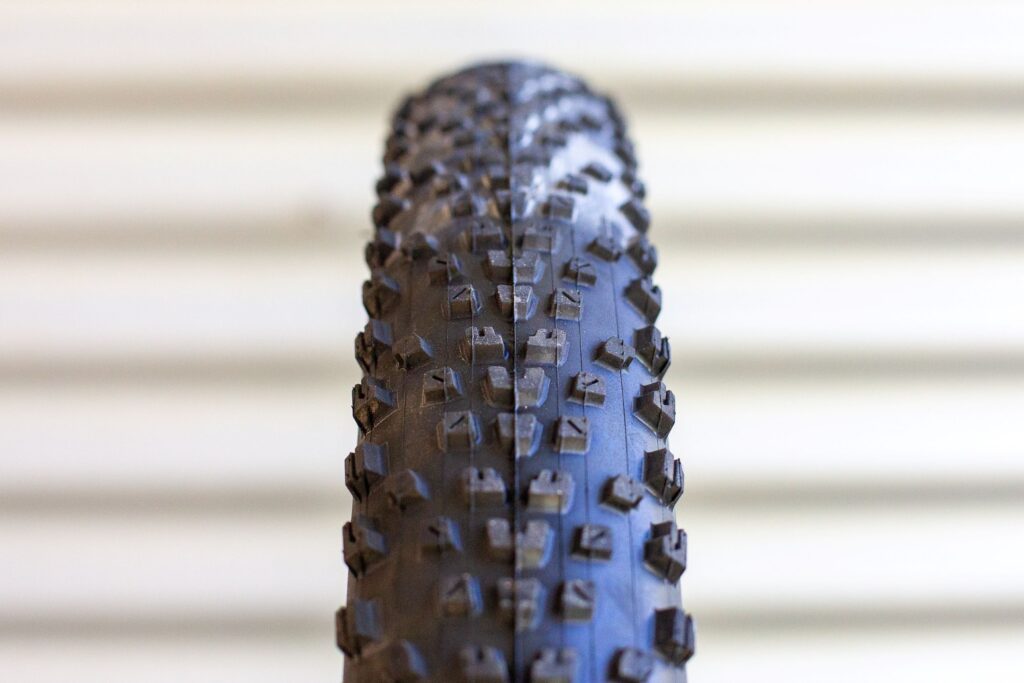
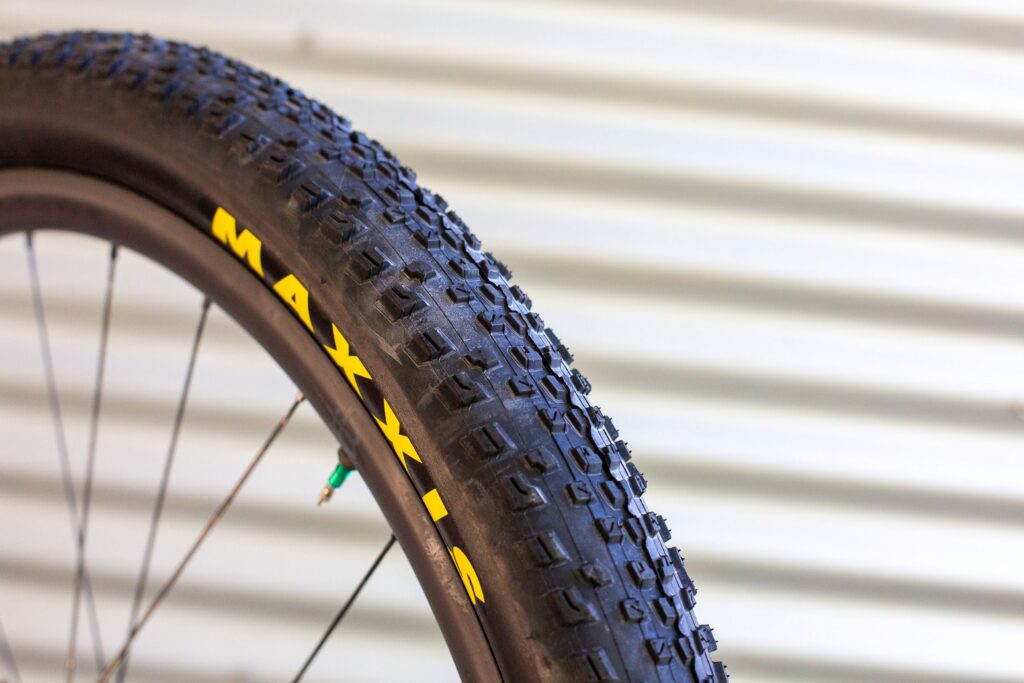
However, given the Rekon Race inflates so large and has a fairly square-round profile, personalised setup is key. With the higher volume, I’ve found it a pressure-sensitive tyre. The 20/22 psi I tested most tyres at was too high, and I have previously run these tyres down to 15/16 psi with inserts in hero dirt conditions. Too firm, and you bounce around and never have traction. Too soft and leaning aggressively to get the edge knobs in delivers a very squirrely feel.
Any bike racer will be precise with their setup but if I was looking to Maxxis for all out race tyres, I’d look past this to the Aspen for a lot of Australian conditions. That said, given the wide envelope for finding traction with the right setup – it is a great XC riding tyre. It is predictable for cornering, has great braking and climbing traction, and still has consistent grip as the tread wears.
Final Verdict
Spend the time to check your tyre pressures and this is a versatile, high volume XC tyre that is easy to get along with.
Key Specs
Size: 29 x 2.4” | Measured: 58.5mm
Weight (confirmed): 824.5 g (claimed 818.0 g)
RRP: $109.95
From: kwtimports.com.au
Best for: Riders seeking a high-volume tyre for use in mixed dry terrain.
Pirelli XC RH
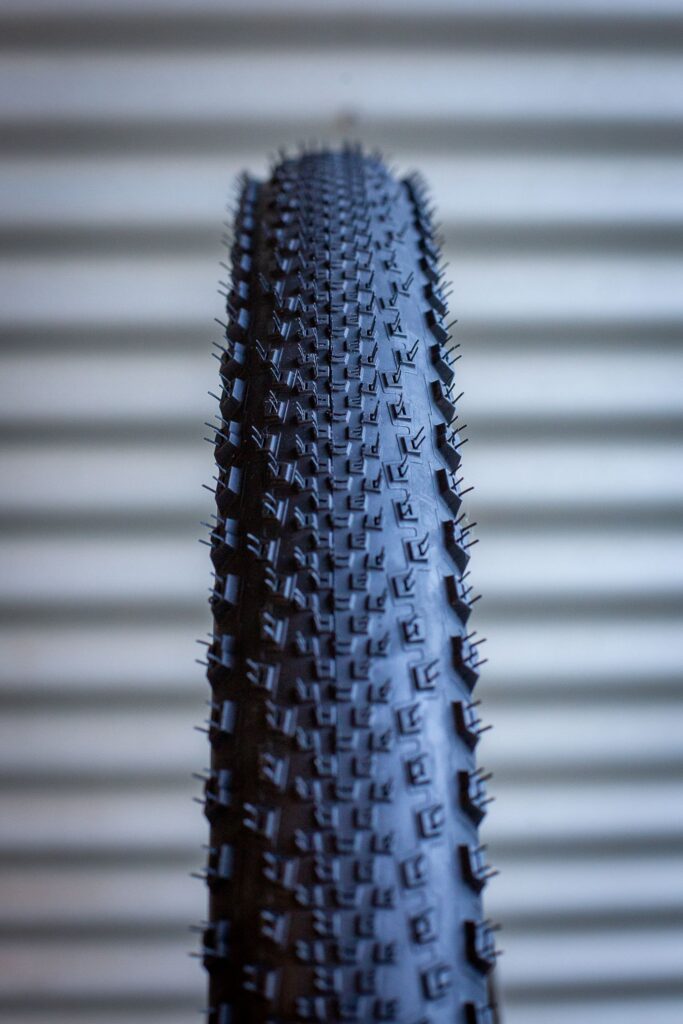
The Scorpion XC RH is brand new, released about half way through the test period – so it’s fresh! The ProWall casing and Race rubber is the same as the other Pirellis on test, meaning this is all about tread. The XC RH has been designed for hardpack races but the edge knobs mean business, especially when compared to other slick tyres on test. The tight and low centre tread still has edges for grip, with transition knobs slightly higher on the square round profile.
Trail Performance and Ride Feel
The first ride on the XC RH was on hero dirt after 50mm of rain had fallen on the dusty test trails. The XC RH ripped! With the same support as the XC RC and M given the same casing, and similar support via the aggressive edge knobs, it was like a faster and lighter XC RC.
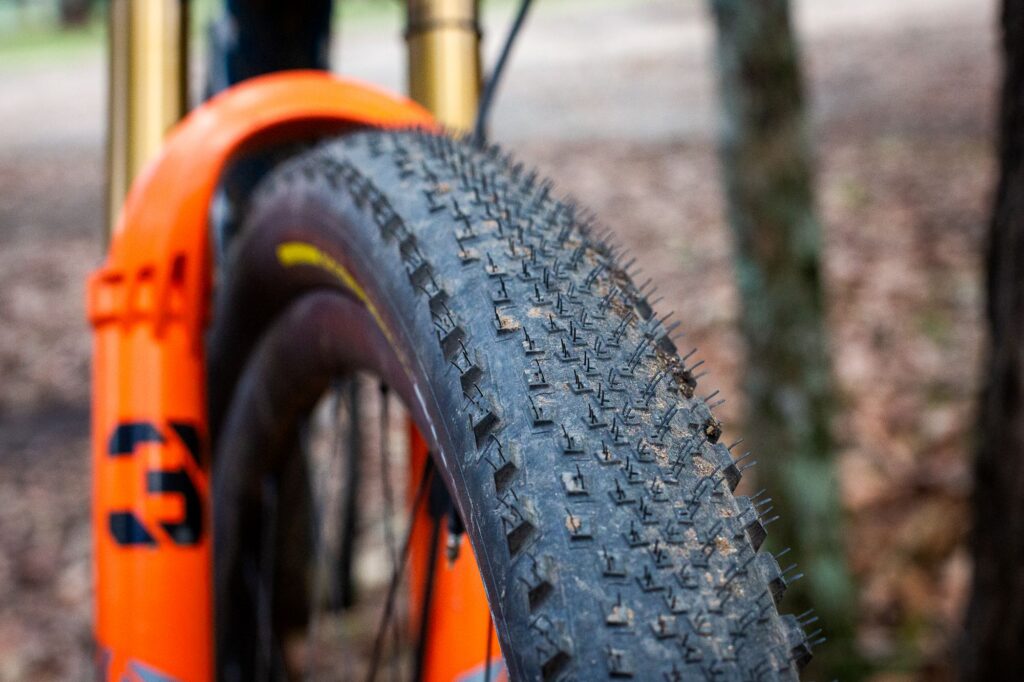
As the trails dried over the coming rides the characteristics were not surprising: there was still excellent speed and good grip at the edges, but straight line hard accelerations and braking didn’t have the same secure feeling as a tyre with more tread. But it was still really good – just less so on loose over hard if you needed to wash speed in a hurry.
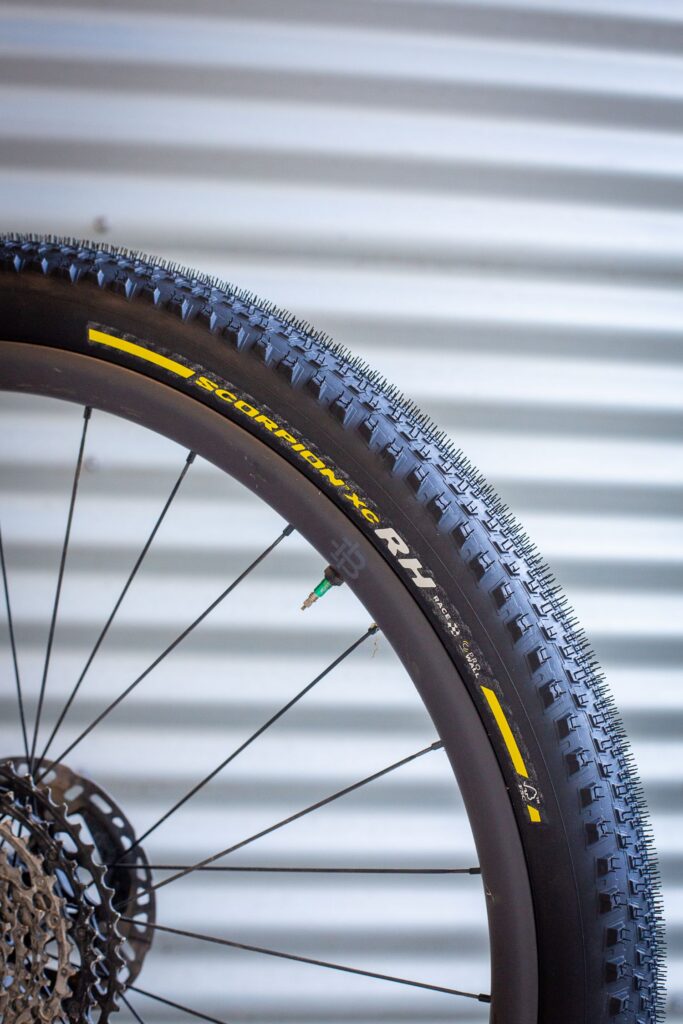
Let it be said that the ride feel of the Pirelli ProWall casing is excellent, it’s very supportive and rides light. Other tyres have a lighter ride feel, but the mix of support and ride feel is exceptional.
Final Verdict
A tyre like this is a race day tyre or for riders with an objective in mind that needs minimal rolling resistance while not giving up the ability to corner hard when needed. The XC RH is an excellent addition to Pirelli’s conditions specific tread family and could grace a tyre quiver for any XC or marathon racer.
Key Specs
Size: 29 x 2.4” | Measured: 56mm
Weight (confirmed): 684.5 g (claimed 690g)
RRP: $114.99
From: fesports.com.au
Best for: Riders looking for all out speed, with plenty of cornering grip
Pirelli Scorpion XC M
Pirelli launched the Scorpion range in early 2019, and the M has become a popular model in their Trail, Enduro and Race EN and Race DH Scorpion ranges. The XC variant has just had a huge overhaul in tread, along with the casing and rubber. The Race compound is FSC certified (a step towards sustainable forestry) and is said to improve rolling resistance while delivering better grip in the wet. The updated 120tpi ProWall casing has a more generous profile. The tread is also closer at the centre and far more open through the transition areas, with a mix of angles, ramps and siping to maintain fast rolling with lots of edges to find grip.
Trail Performance and Ride Feel
I have always found Pirellis to roll well. A focus on mixing chemical grip (compound) and mechanical grip (tread blocks) always delivers fast tyres. With low weight, the XC M tyres spin up with ease. My first ride was in the dust bowl of Queensland, but then I went to Tasmanian slop, and I really saw how versatile the XC M is.
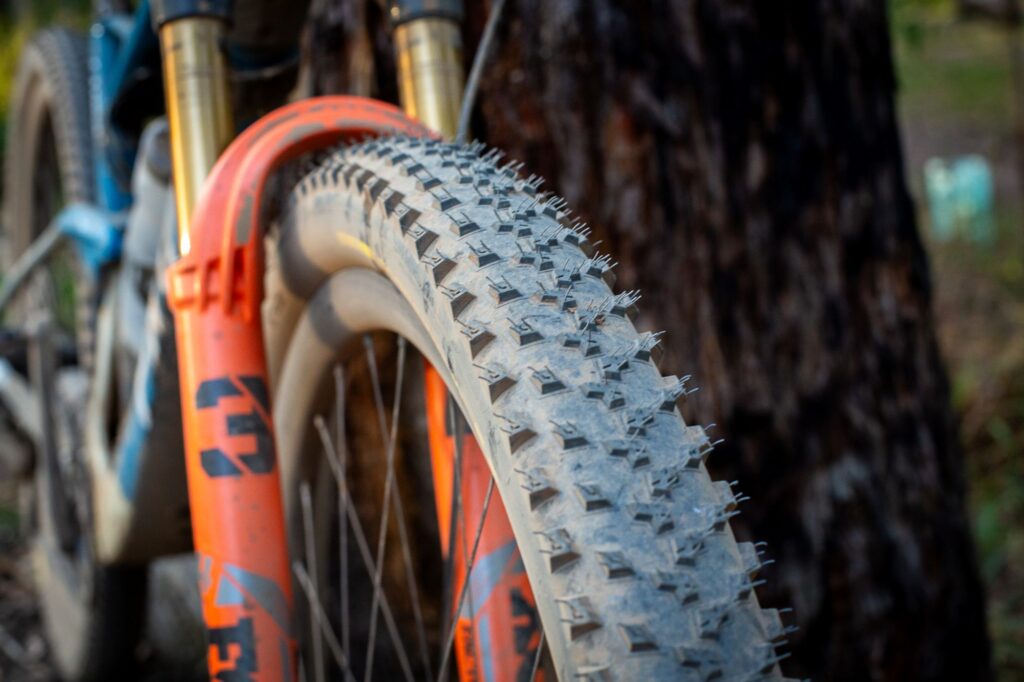
The tyre managed grip across wet roots, wet clay, and wet and sandy rocks – without giving up anything on hardpack. Under braking, the XC M was just as predictable. If anything, it was probably better in wetter conditions than loose and dry – but only marginally. The only real time I could get the M unstuck was when it was unweighted in line transfers on some wet clay style terrain.
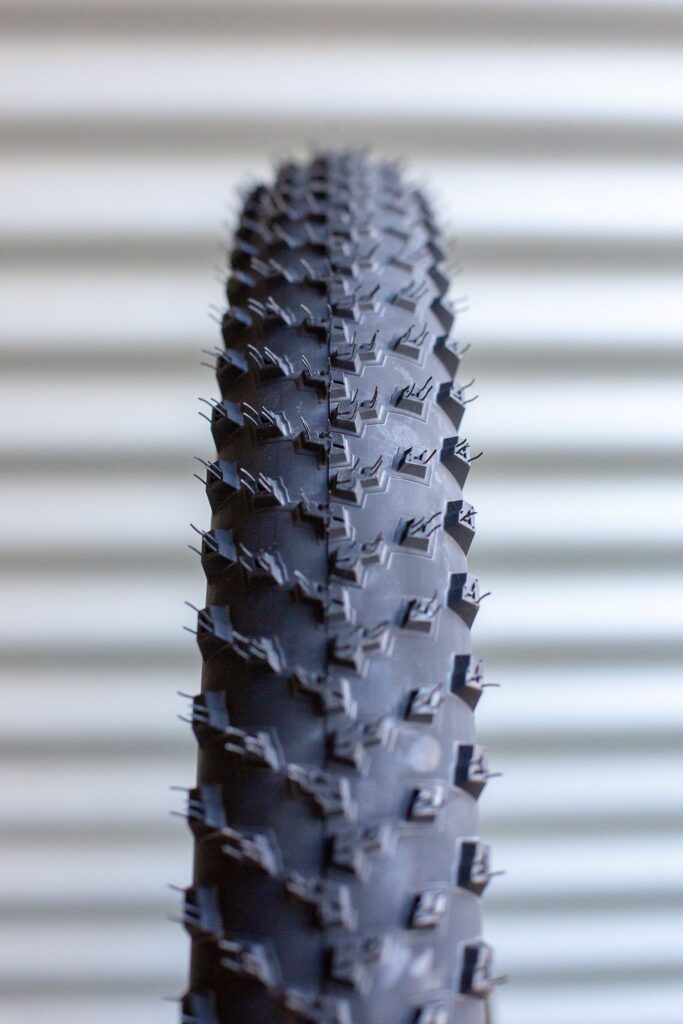
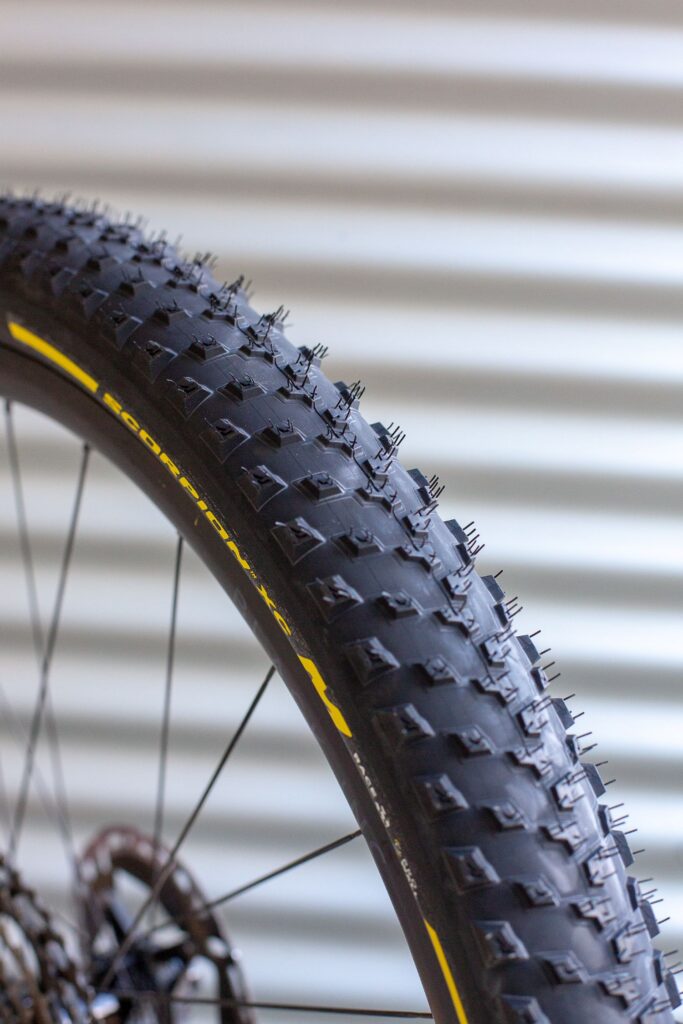
Using this back to back with the XC RC it is clear the slicker tyre rolled faster, but the M wins out for working better in looser conditions.
Final Verdict
Pirelli have re-worked the M tyre in their other ranges and the XC M has had the treatment – with huge success. This is the tyre Pirelli promised in 2019; a modern XC tyre suiting mixed conditions, delivering excellent grip, fast rolling and with supple trail feel and protection from the casing. This is a great set and forget option.
Key Specs
Size: 29 x 2.4” | Measured 57.5mm
Weight (confirmed): 722g (claimed 700g)
RRP: $114.99
From: fesports.com.au
Best for: You want grip, not a tyre changing schedule
Pirelli XC RC
When the XC RC was introduced it was immediately popular with racers. Two casing and width variants delivered options with fast rubber. The XC RC has been refined, with casing updates for a fuller profile, along with a more pronounced edge knob and the new FSC-certified rubber. The Race compound is also faster rolling while delivering more grip in the wet.
Trail Performance and Ride Feel
I have always enjoyed riding the Pirelli Scorpion XC range and the XC RC are a favourite. They roll fast and the 120tpi Prowall offers excellent support. As a low tread height tyre, it can be less predictable in loose conditions, but if those are mere sections of an XC race that is an acceptable trade off. With a marathon preference I love the efficiency of a tread like this, especially with the high volume and the improved edge knobs for hard cornering.
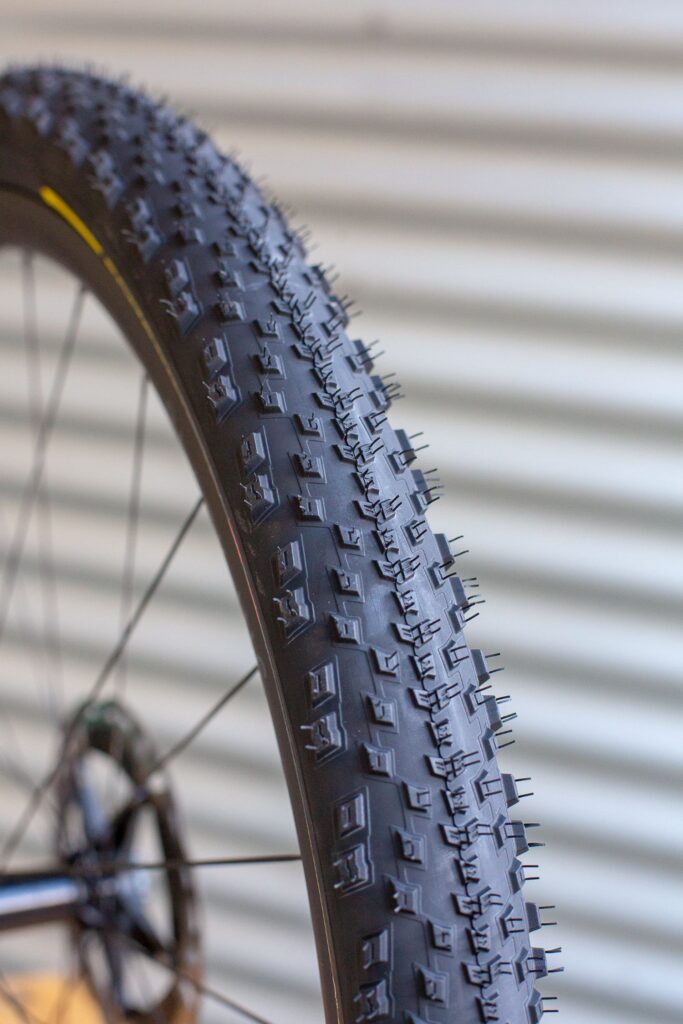
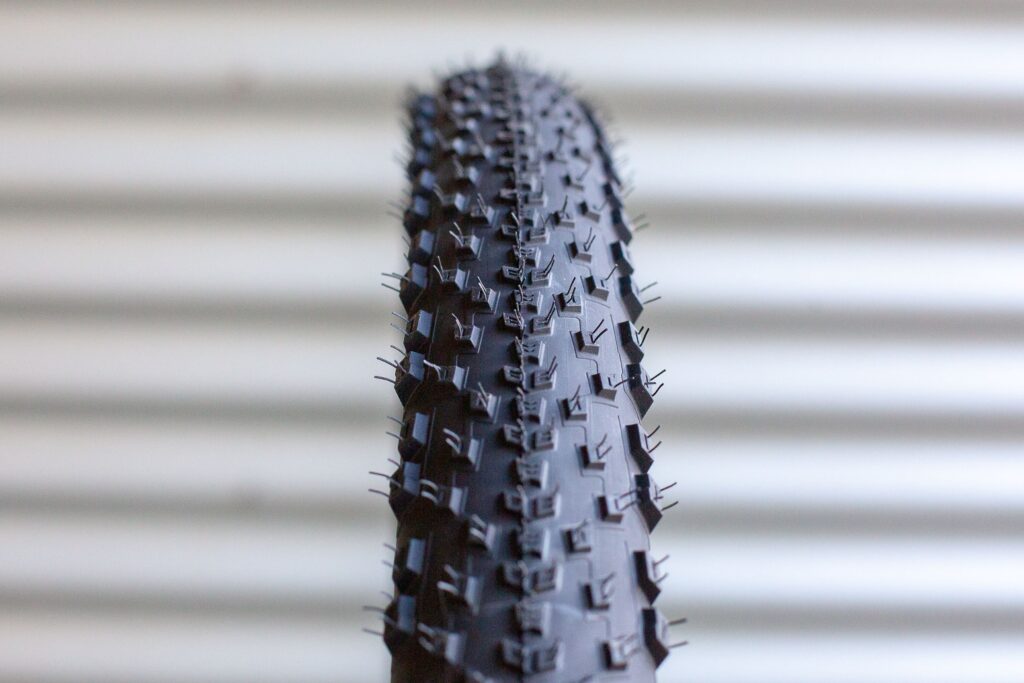
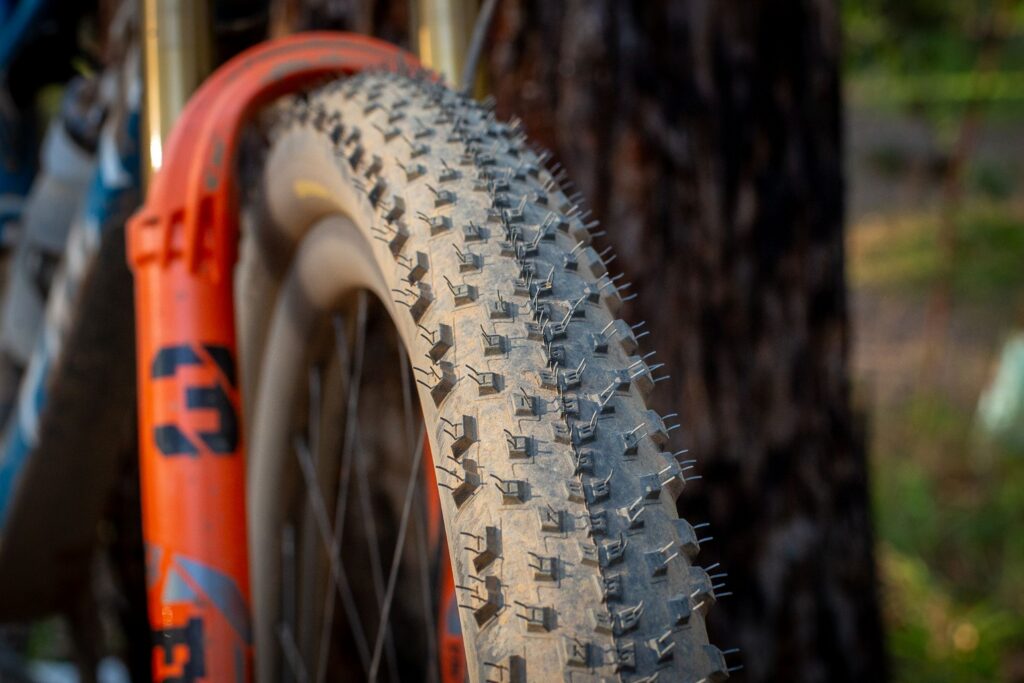
Testing these in wet Hobart conditions I was still impressed by the control, with acceptable slip and pushing in the wet and on wet rocks – conditions beyond the design brief. The XC RC will break traction under hard braking on loose terrain when you’re not set up well; like any low profile tyre it punishes poor decisions.
Final Verdict
This is an ideal go-to for race day in hero dirt conditions, or for an experienced rider who can get the most out of their equipment no matter the conditions – they just don’t want anything to slow them down. It’s also a great rear tyre for the Pirelli XC M front for versatility.
Key Specs
Size: 29 x 2.4” | Measured 57.5mm
Weight (confirmed): 739.5g (claimed 690g)
RRP: $114.99
From: fesports.com.au
Best for: The racer who needs a fast go-to tyre
Vittoria Mezcal 3 XC Race
They say there are two types of riders; those who use Vittoria Mezcal, and those who haven’t ridden them yet. The low tread height, fast rolling tyre has potentially been more popular with the bikepacking crowd than XC racers in Australia. The Race casing is an updated 60tpi casing and updated rubber is said to marry performance with longevity.
Trail Performance and Ride Feel
On fit up I thought the casings felt very thin, so the ride feel with a supple yet supportive sidewall was a surprise! The Mezcal has near continuous centre tread, a fairly round profile, and transition knobs that extend like chevrons towards the alternating edge knobs. Everything is siped and ramped to aid grip and reduce rolling resistance.
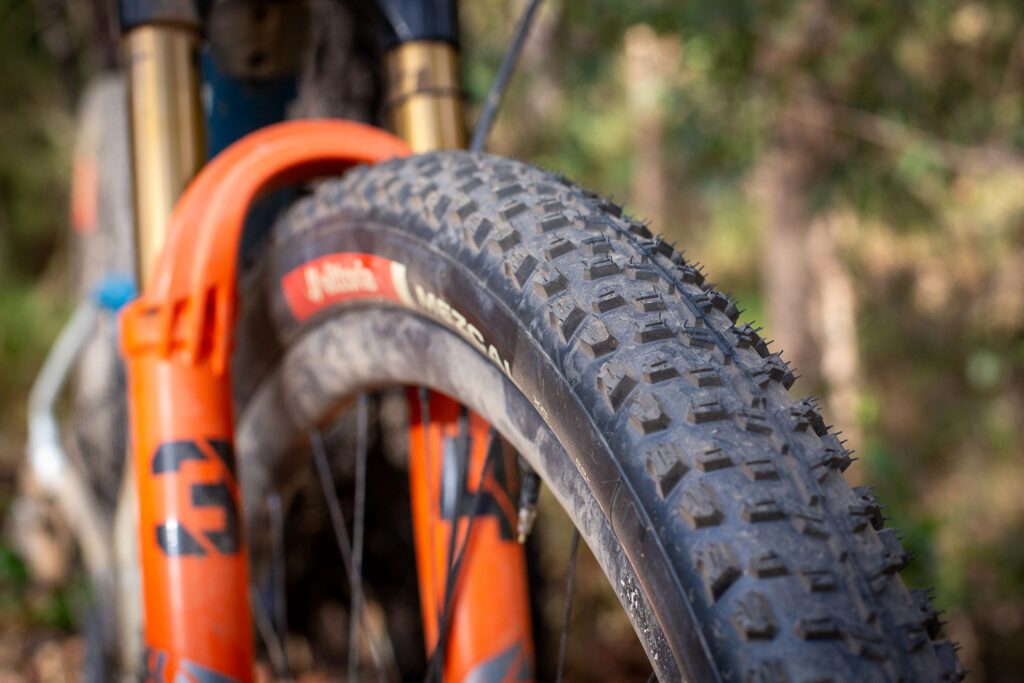
The Mezcal does deliver on the hype. Testing conditions were dry with hardpack and loose over hard, right in the wheelhouse for a 2.4” Mezcal. While the tread height is suitably low, it has a lot of edges into dirt for both climbing and braking.
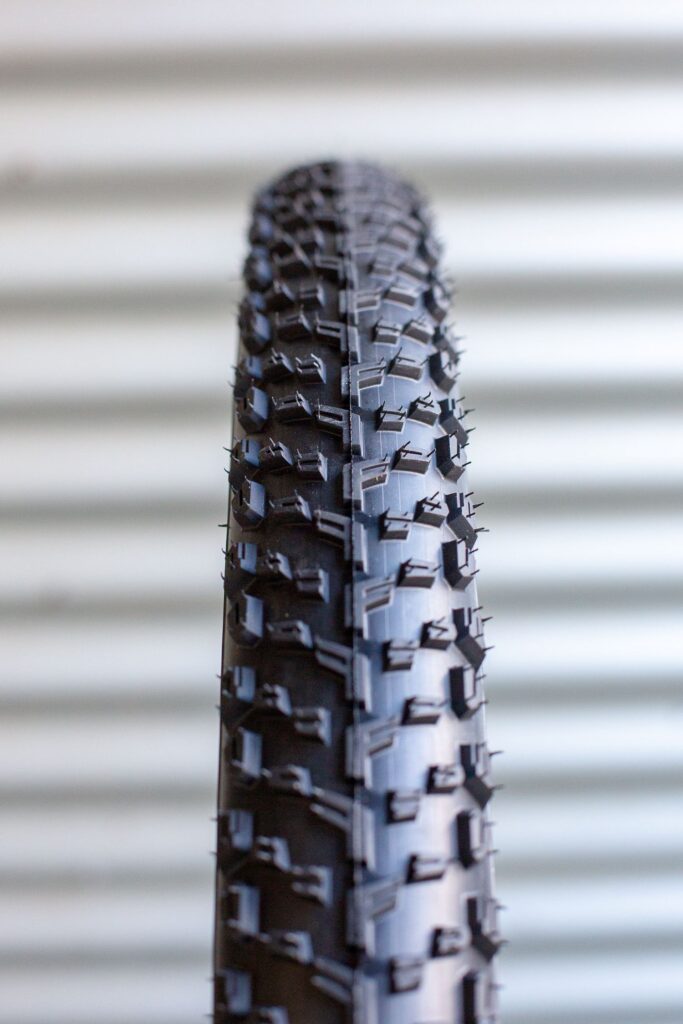
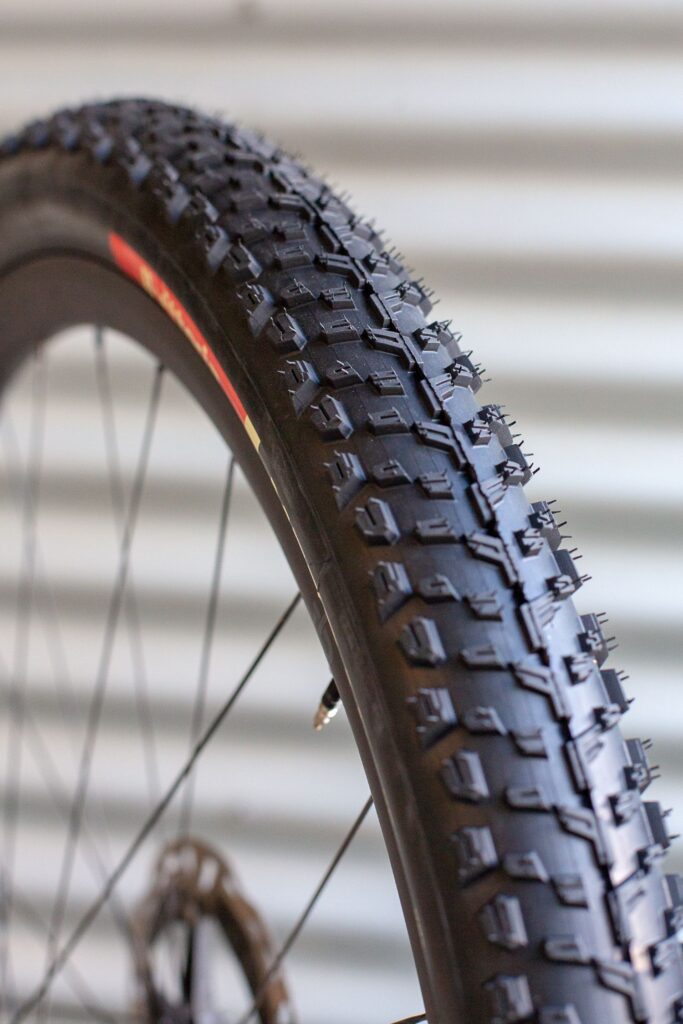
There is some predictable slide, mostly in the back, this suits the tread layout and doesn’t offer any major surprises. With the Mezcal front and rear I never felt like I was on the wrong tyres on any of the test trails.
Final Verdict
The Mezcal is an impressive tyre, a go-to dry to moderate XC tyre that may even be improved with the addition of Vittoria’s Airliner inserts for those really looking to push their XC whips. As-is you could run these at almost any Australian XC event and not have the wrong rubber.
Key Specs
Size: 29 x 2.4” | Measured 55.5mm
Weight (confirmed): 757g (claimed 720g)
RRP: $99.95
From: gkasports.com.au
Best for: Riders seeking a supple, fast rolling and versatile tyre
Vittoria Barzo XC Race
The Vittoria Barzo XC Race is a full-treaded tyre to suit looser, and even wetter, terrain. With World Cup pedigree, it shares the same casing and size options as the Mezcal, and we had the tan wall 2.25” model on test. Rubber remains the same across the tyres, but the Barzo XC Race has taller, more open tread knobs that are shaped to shed mud yet still roll well with near continuous centre tread.
Trail Performance and Ride Feel
Like the Mezcal, the Barzo felt light on when installing, with a very supple 60tpi casing. That feeling translated to the trail, thanks not only to low weight, but a round profile that was easy to tip over and move around in tight terrain.
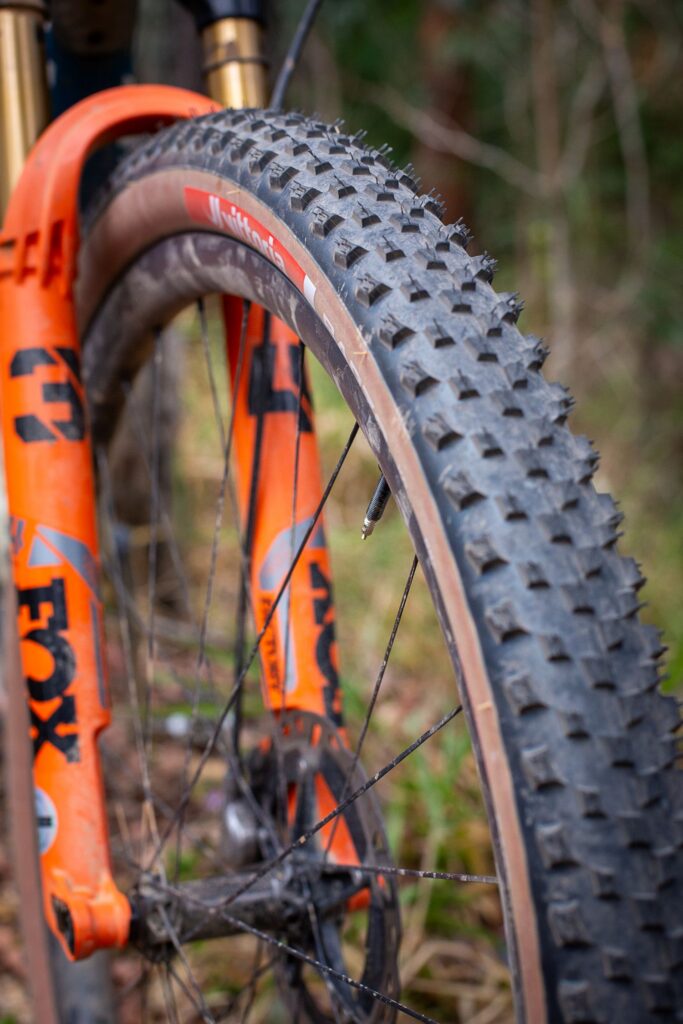
While at first glance you’d consider the Barzo to be draggy, and maybe a bit squirmy, it really excelled in the main test conditions of hardpack and loose over hard (bordering on blown out), delivering very confident handling and ride feel. I even set a PB on a trail descent I’ve taken countless test trail bikes down.
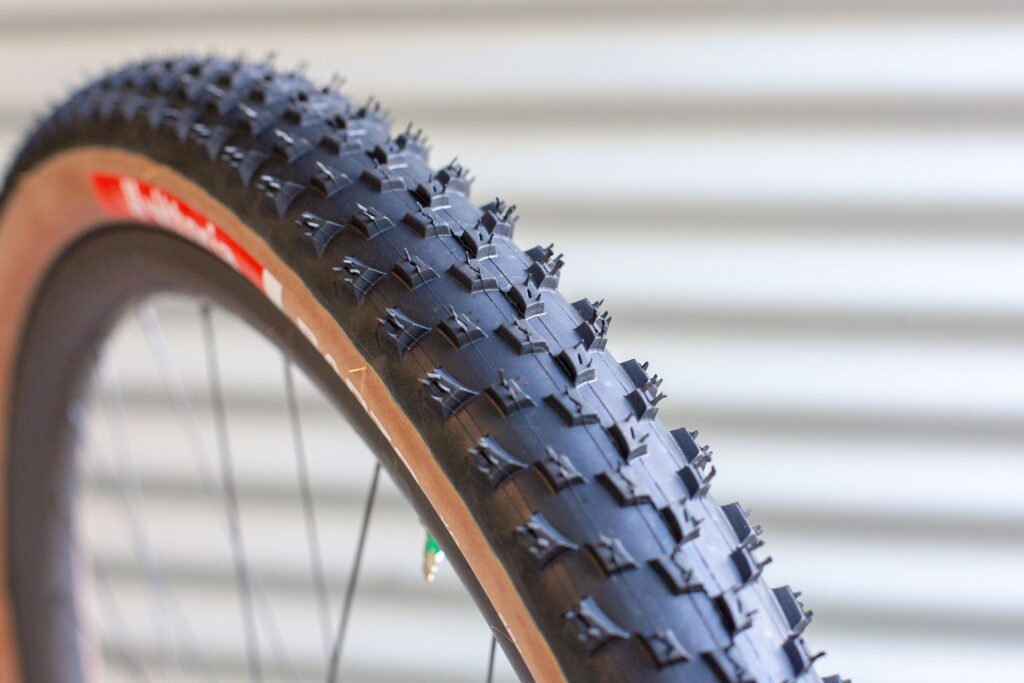
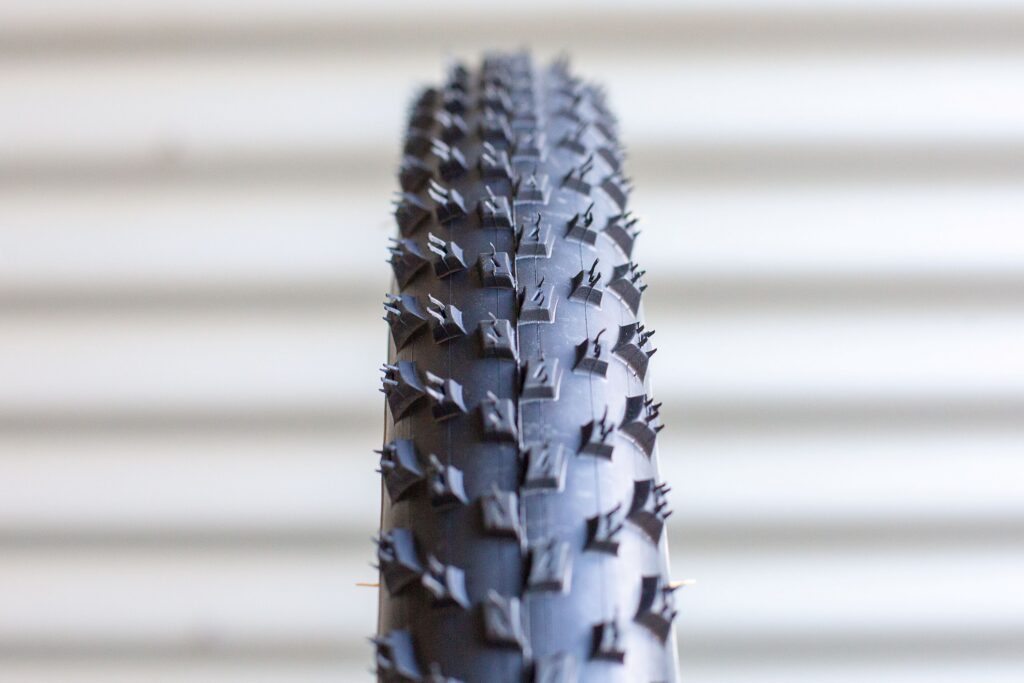
The Barzo feels really secure into corners, only feeling a little less certain when soaking up angled roots and bigger chatter – a time where a larger volume tyre can deliver more rubber contact with the ground. While it did roll a little bit slower on hard surfaces, it was a minor difference and an acceptable trade off for the grip available – considering its low weight and good ride feel.
Final Verdict
While the appearance screamed ‘wet weather tyre’ the performance in the dry was excellent. In the 2.25” as tested, this would be ideal for mixed conditions XC racing, even as a front only. The 2.4” would be a great all-rounder choice with a 2.4” Mezcal rear for just about any XC riding, mixing grip where you need it and rolling speed where it helps the most.
Key Specs
Size: 29 x 2.25” | Measured 53mm
Weight (confirmed): 658.5g (claimed 680g)
RRP: $99.95
From: gkasports.com.au
Best for: Riders looking for sure-footed handling at low weight
Continental Dubnital
Continental did a major revamp of their gravity tyres a few years back, letting riders match the casing and rubber compounds to the treads they needed. The same logic has been brought to their XC range, and the Dubnital is here to replace the Race King – perhaps one of the most popular small tread tyres to rule the XC world from 2007 onwards. We tested the Dubnital in the Race casing (3x110tpi) in 29 x 2.4”, with a Rapid compound and Grip compound pairing, which I ran on the back and front respectively.
Trail Performance and Ride Feel
The Dubnital has a central tread that swaps from innies to outies with ramps and some siping, transition knobs for support and edge knobs that also have an innie/outie configuration. Like the Race King, it’s a tread design that has a lot of edges in the dirt, all of the time.
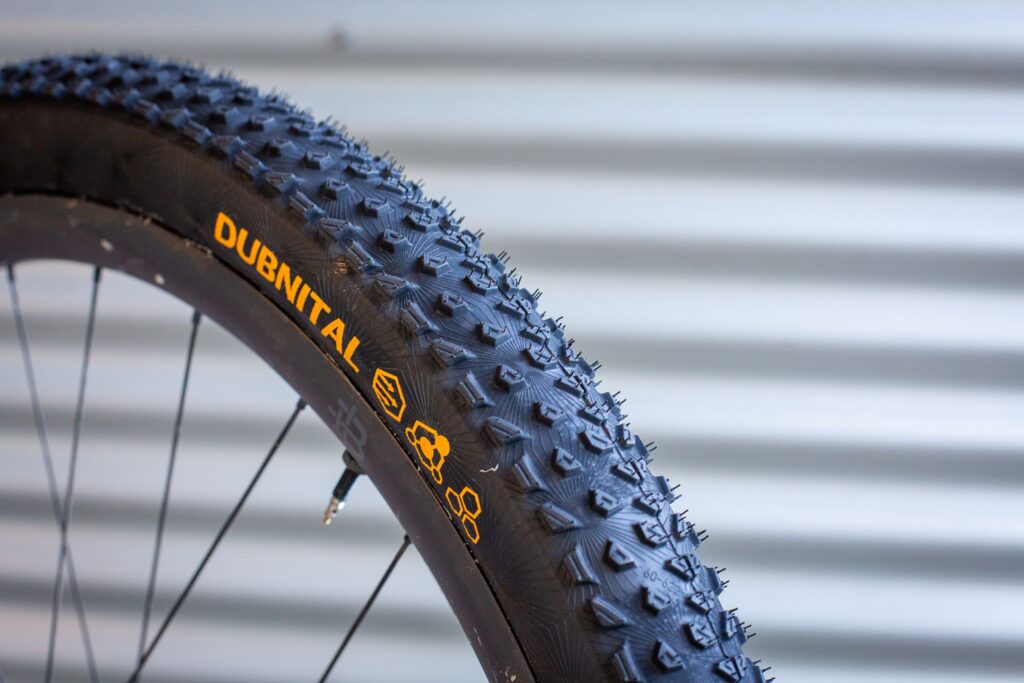
The round profile and low but full coverage tread is really responsive, and I found the Dubnital felt like the right tyre just about all the time in the test period. As a race-inspired tread, it was easy enough to persuade it to move, while it didn’t do so without warning. When pushing on the mostly super dry conditions throughout the test, it was easy to tell where the Dubnital wanted to break away in corners – but you could hold it there.
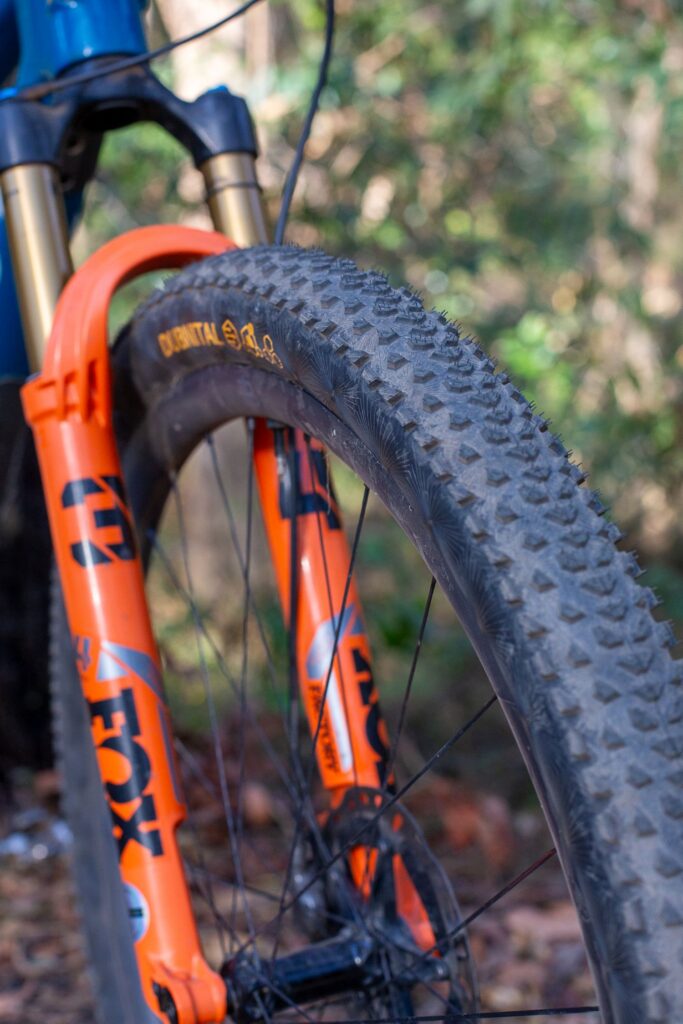
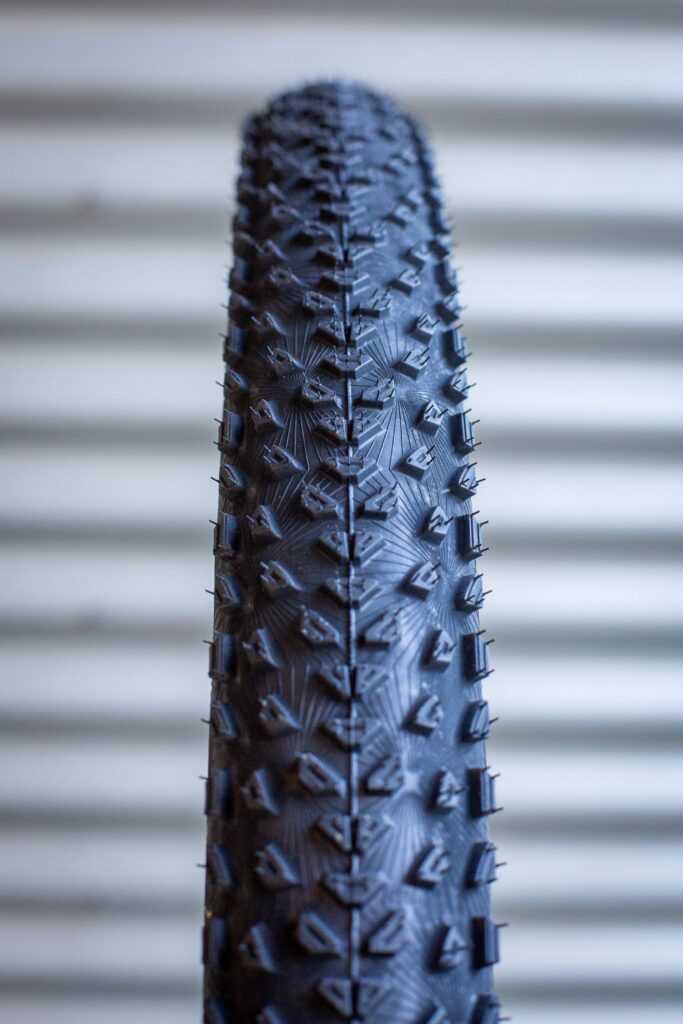
The Race casing felt firm on installation, but on the trail at the test pressures the tyres felt supple and supportive. With two different compounds front to rear it was difficult to discern a direct difference within this test, but for the sake of durability it makes sense to run a harder wearing compound on the rear tyre.
Final Verdict
To me, there are few downsides to the Dubnital. While Queensland didn’t deliver sloppy mud or wet conditions for the test period, I’d say the slickest clay mud would undo the Dubnital – but I’m yet to find a true go-to for that. That just leaves the price – they are a premium tyre but I think given their versatility, grip and ride feel, they are worth it.
Key Specs
Size: 29 x 2.4” | Measured 54.5mm
Weight (confirmed): 681g (claimed 645g)
RRP: From $144.99
From: TMOsports.com.au
Best for: Riders who want a set and forget tyre, with some casing and rubber options.
Continental Trinotal
Continental’s Trinotal is another all-new design, taking the torch from the Trail King of old. It’s designed as a fast tyre that grips and corners well in looser conditions, available in Trail or Race casing, in Grip or Rapid rubber. We had a Race casing with Grip compound supplied, and tested it with the Dubnital on the rear. The round profile has a 2-3-2 tread layout with consistent, siped edge knobs.
Trail Performance and Ride Feel
Just like running the Dubnital with Race compound front and rear, moving to a Trinotal with the same casing offers a similar trail feel with a wider performance window. It’s a more aggressive tread than the Dubnital but is best viewed as a halfway house to the Magnotal.
I didn’t notice much difference in rolling resistance to the Dubnital on the trail, considering I only had a Trinotal on the front. With some hero dirt early in the test period for this tread, grip was never an issue and the all-round performance of the Grip compound likely played a role there.
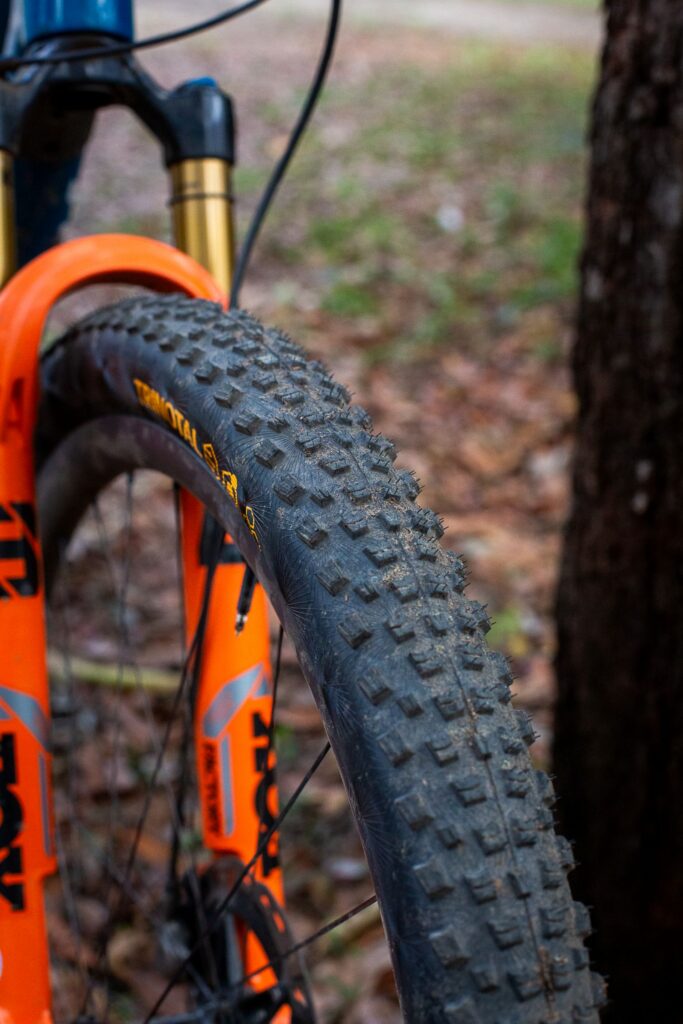
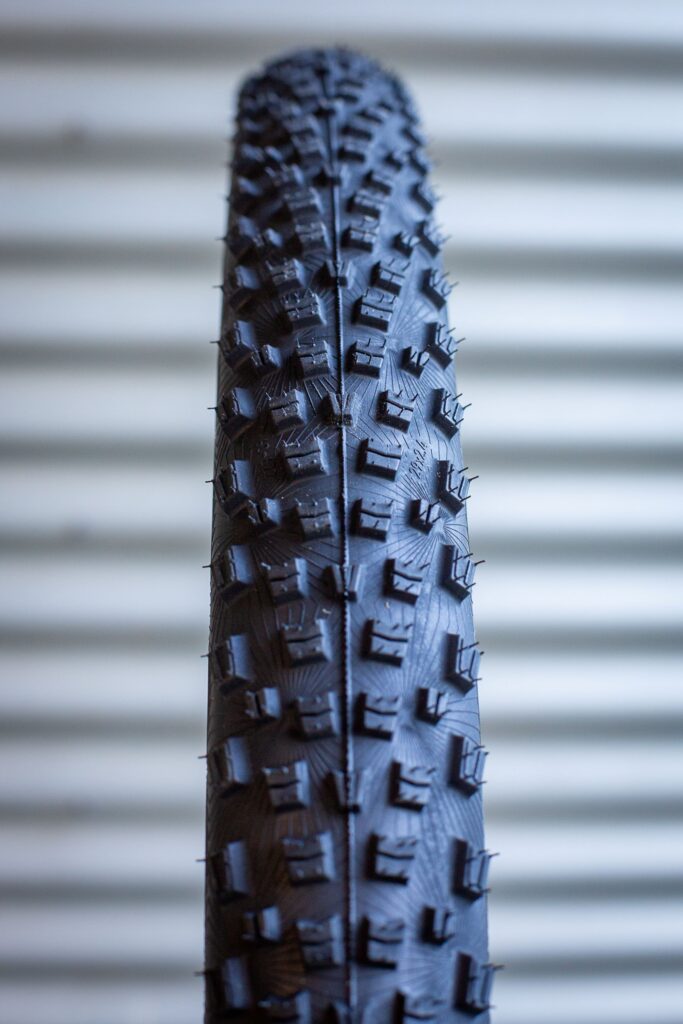
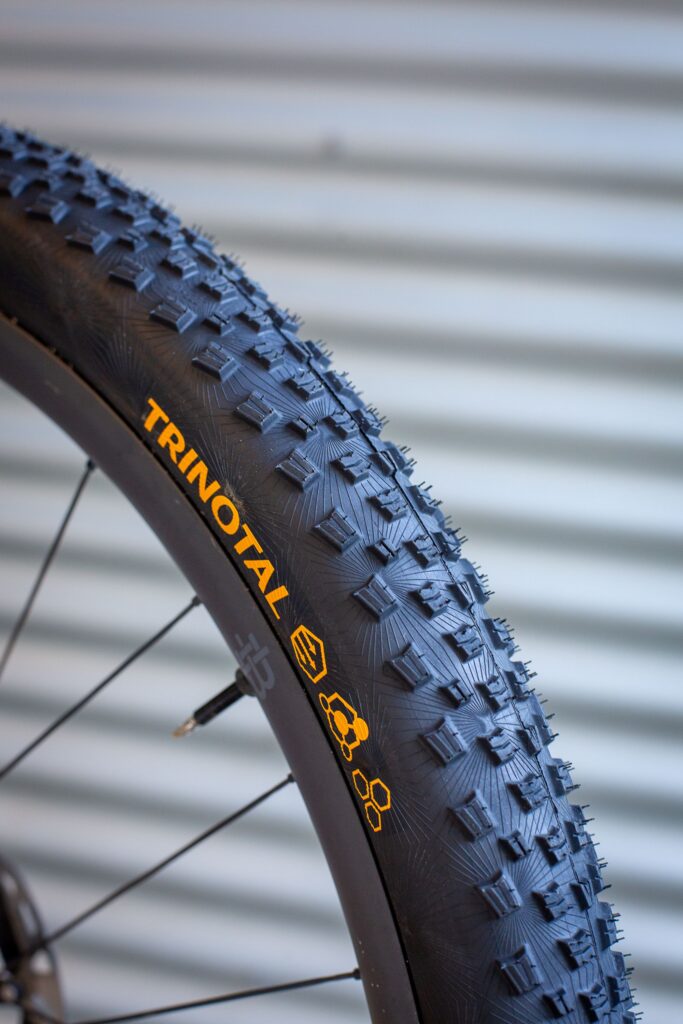
As drier conditions returned, I did have higher confidence still with the Trinotal, but not in the rockier terrain where a tyre like the Magnotal with the Trail casing felt more sure-footed thanks to a slightly burlier casing. As for traction, it offered no surprises. The Trinotal does feel better under brakes than the Dubnital and I think that is a strength of the pairing.
Final Verdict
While the Trinotal isn’t a front-specific tyre, it’s a great pairing with the Dubnital for a ‘race anything’ combination. With a Trail casing option it would happily move to downcountry service, and with a bit more room in the tread it should suit some conditions with more moisture as well. This is a great tyre in Continental’s new range.
Key Specs
Size: 29 x 2.4” | Measured 54.5mm
Weight (confirmed): 751g (claimed 740g)
RRP: From $144.99
From: TMOsports.com.au
Best for: Riders looking for more diverse traction than the Dubnital
Continental Magnotal
The Magnotal is the chonkiest of Continental’s new XC/Trail range, and according to the Germans it bridges the gap between downcountry and trail. But stress less, this doesn’t appear to be a new category, just an idea of what it suits. The tread has a full complement of rubber, with a 4-3-4 layout for no missed traction from the centre through to the well supported edge knobs, delivering a square-round profile. Trail casing is the option, with Grip or Soft compounds. I ran those rear and front respectively.
Trail Performance and Ride Feel
This is the only tyre from Continental I tested with the single ply Trail casing, and while it meant these two treads were some of the heavier on test (the Soft compound weighed 790g) they were also the ones that were the most confidence inspiring – and that had just as much to do with tread and compound as it did with casing.
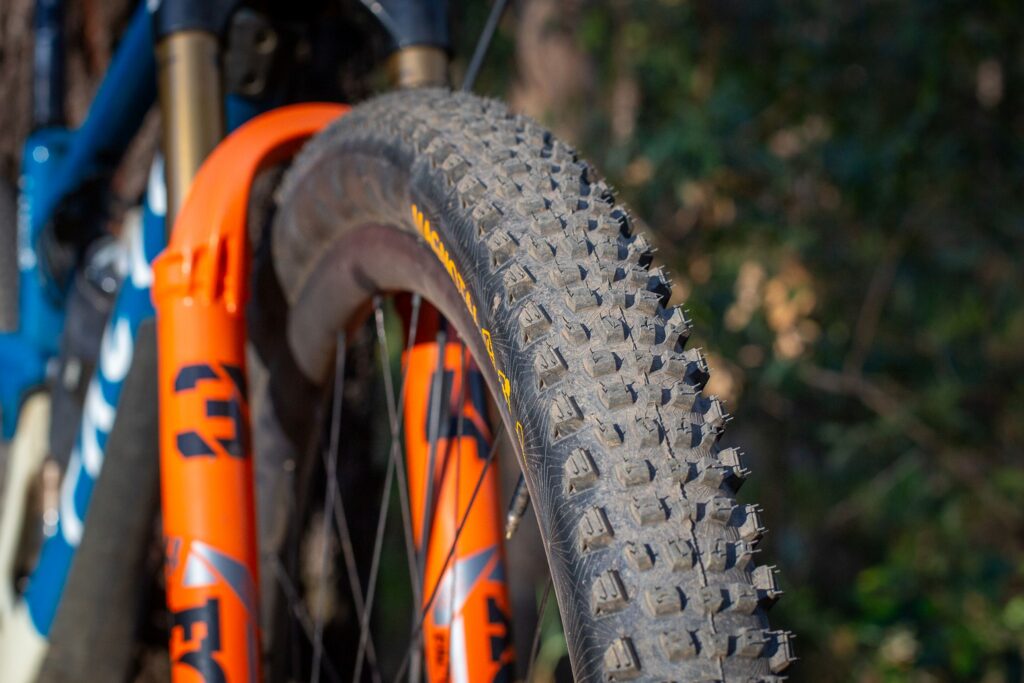
The Trail casing felt beautifully damped and secure on the rockiest sections of the test trails I ride – trails that have created a few dented rims on test bikes over the years. Running my carbon wheels insert-free meant I was always uneasy through here, dropping speed to play it safe. But the Magnotals did not require that, and I was able to sail over the worst rocks anyway, given I was carrying more speed.
The tyres took a lot of persuasion to push out, even in the very dry conditions. A little bit of rear brake was needed at times to bring the back end to where I wanted it.
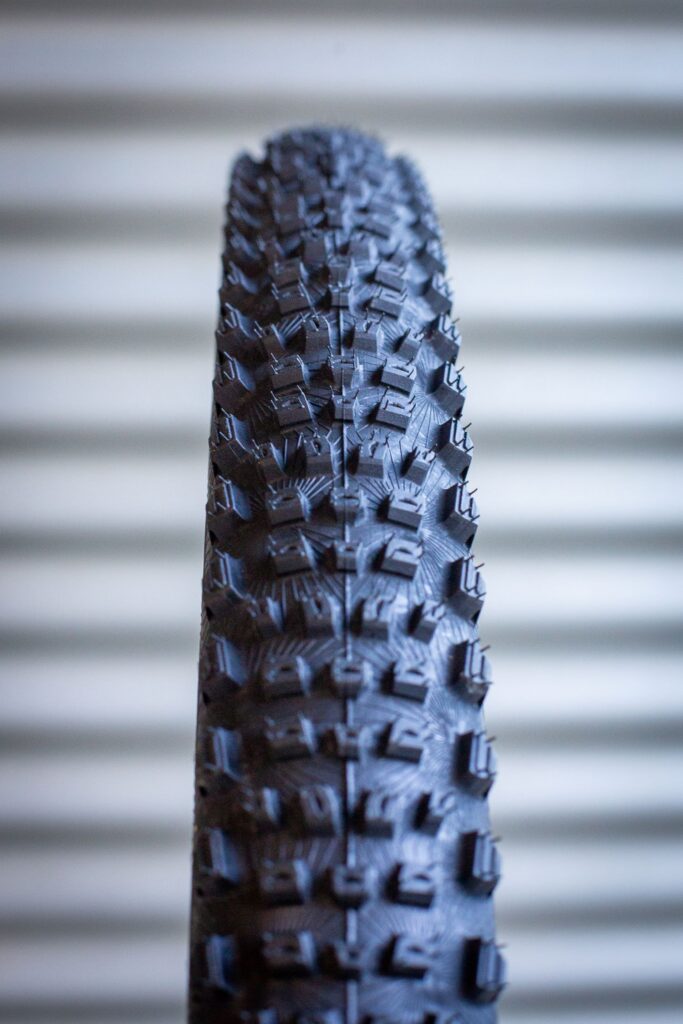
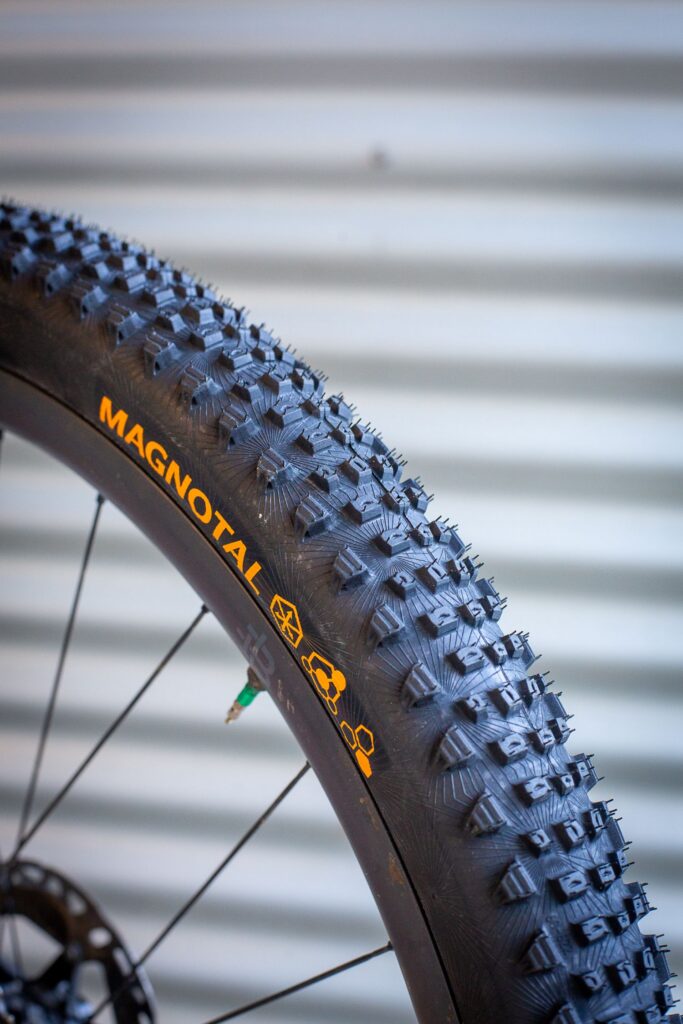
The Magnotal does roll a bit slower than the other tyres, but if grip and support are the requirement I think the Magnotal is the answer. With some damp conditions at the end of the test period, I was impressed by the wide performance range of the Magnotals.
Final Verdict
The Magnotal is the burlier sibling in this new tyre family. I see them as an ideal downcountry/light trail tyre, especially for riders who want to really push the bike and use the deep edge knobs on the square-round profile. These will be the right choice for almost any ride for a rider living for the descents on their XC and adventure rides.
Key Specs
Size: 29 x 2.4” | Measured 54.5mm
Weight (confirmed): 852g (claimed 800g)
RRP: From $144.99
From: TMOsports.com.au
Best for: Aggressive riders looking for a downcountry tyre with responsive casing.
Teravail Camrock
I knew little of Teravail tyres before this test, save for seeing they had a thorough range of gravel through to enduro tyres, with common sense approaches to casing and rubber. The Camrock is designed as a fast tyre for smooth terrain, with the offset centre knobs delivering a near continuous tread that moves to an even spread of ramped knobs to the edge in a round profile. The Fast compound and 120 tpi Light Trail casing promises to be supple and…fast!
Trail Performance and Ride Feel
For a full-tread tyre the Camrock rolled quickly, aided by the light feel that more round profiles deliver. The Fast compound aims to be quick and that delivered, with good grip on the hardpack and loose over hard conditions through Greater Brisbane and around Melrose, SA.
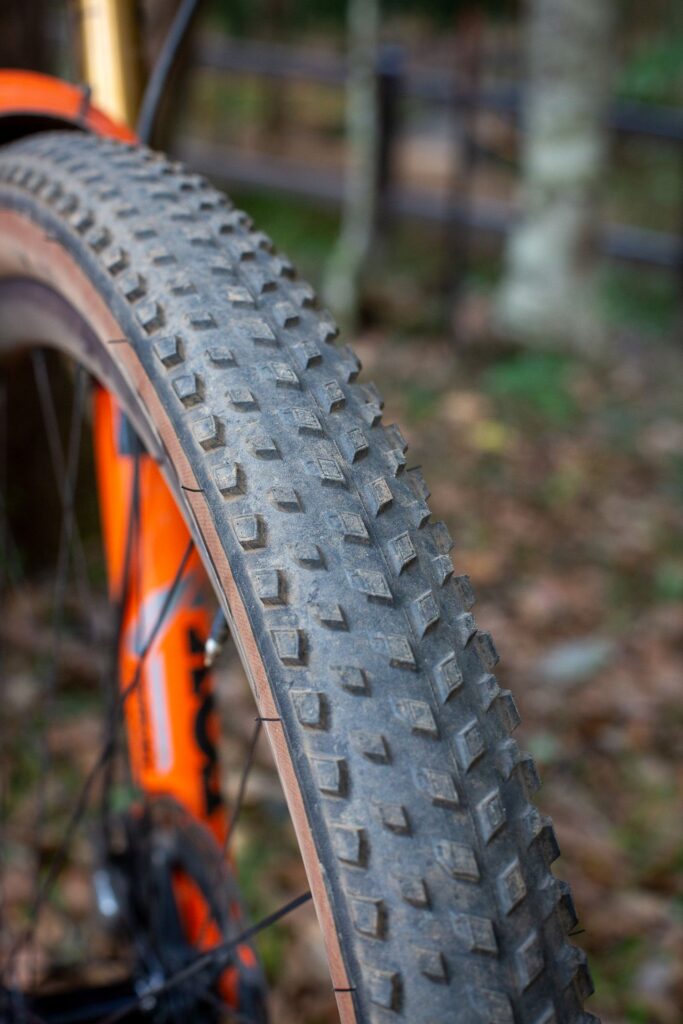
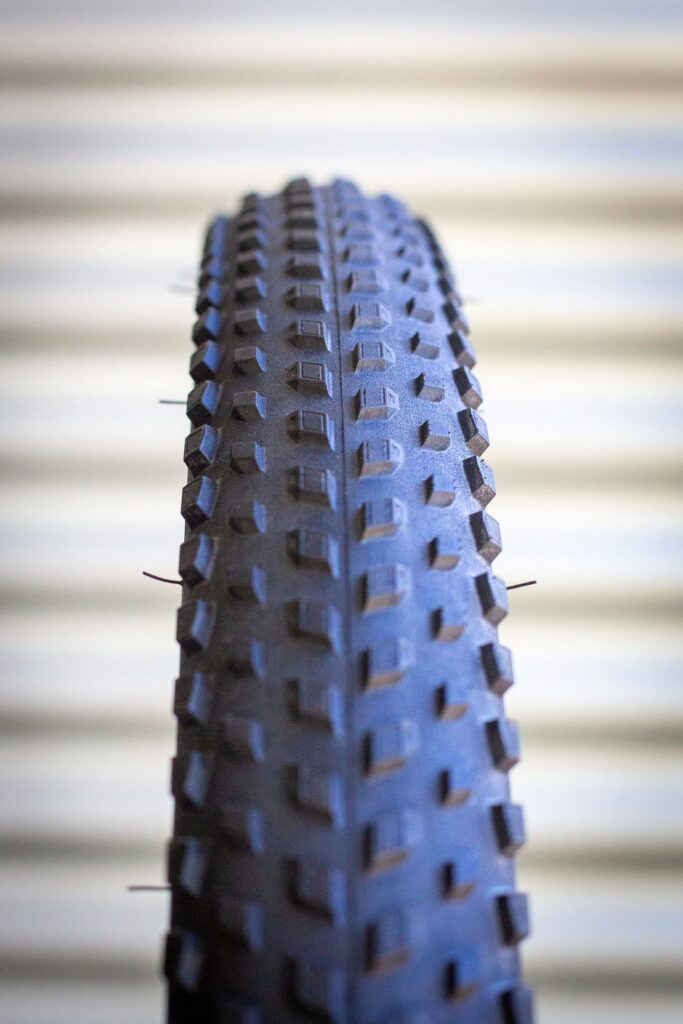
I found the climbing traction very good, save for the fine, loose gravel on hardpack where it borders on ball-bearings. A bit more chemical grip from the compound would have helped. Cornering was predictable, especially with consistent traction through to the edge. Again, a tackier rubber may aid more grip here but I wasn’t left wanting in the test conditions.
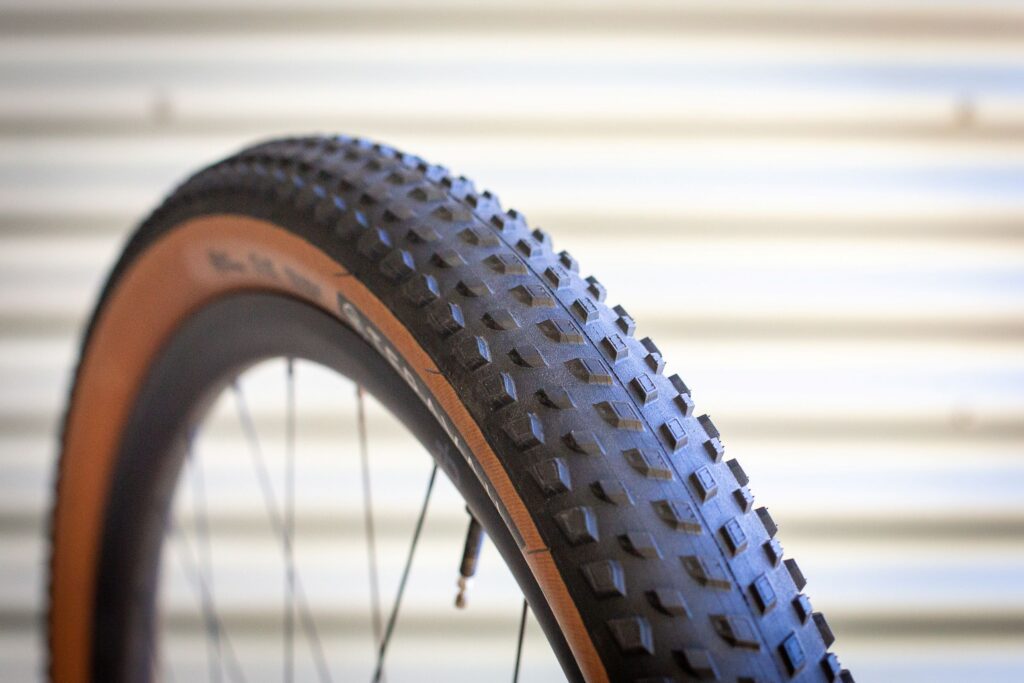
I was very impressed with the ride feel, thanks to a compliant casing that helped deliver a little more comfort and grip instead of deflection. And while I was straight onto the Black Inc hotline after one hit where I thought I’d cracked a rim – I lost no air, had zero tyre cuts and cracked no carbon – even riding the Bale Out descent at Melrose with reckless abandon. Interestingly, this is one tyre that seemed to seep more air than any others on test. I pressure checked before each ride for all tyres, but the Camrocks needed a bit more upkeep.
Final Verdict
The Camrock is a fast, full tread tyre that suits hardpack and loose over hard conditions. Similar to the Barzo but a little faster rolling, this should be a better fit for loose and dry conditions than loose and damp. However different casing and rubber choices may fine tune that.
Key Specs
Size: 29 x 2.4” | Measured 54.5mm
Weight (confirmed): 740.5g (claimed 710g)
RRP: $113
From: rollostore.com.au
Best for: Riders who want a fast, full-tread tyre for predominantly dry conditions
Teravail Drawpoint
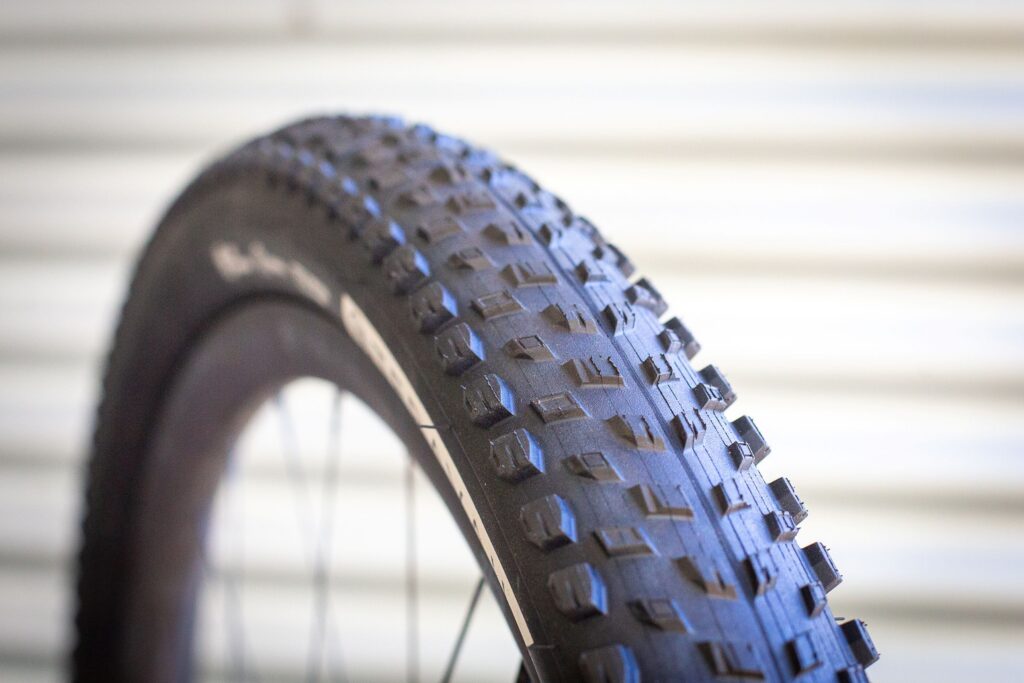
The Drawpoint sits as a burlier tyre in the Teravail XC-ish range, destined for downcountry use. With the 60tpi ‘Durable’ casing and Grip compound matched to a more open and all-over chonkier tread layout – I won’t argue. The profile is more square-round for sure grip when tipped over, and the centre tread is matched for more tractor-like grip, with bigger edge knobs to boot.
Trail Performance and Ride Feel
Rolling up a climb these tyres did not feel out of place, despite being the heaviest tyre on test. The tread blocks have extensive ramps to reduce rolling resistance while still offering the coverage needed. Out of the saddle the Drawpoint digs in for traction – especially compared to some of the low treaded models on test.
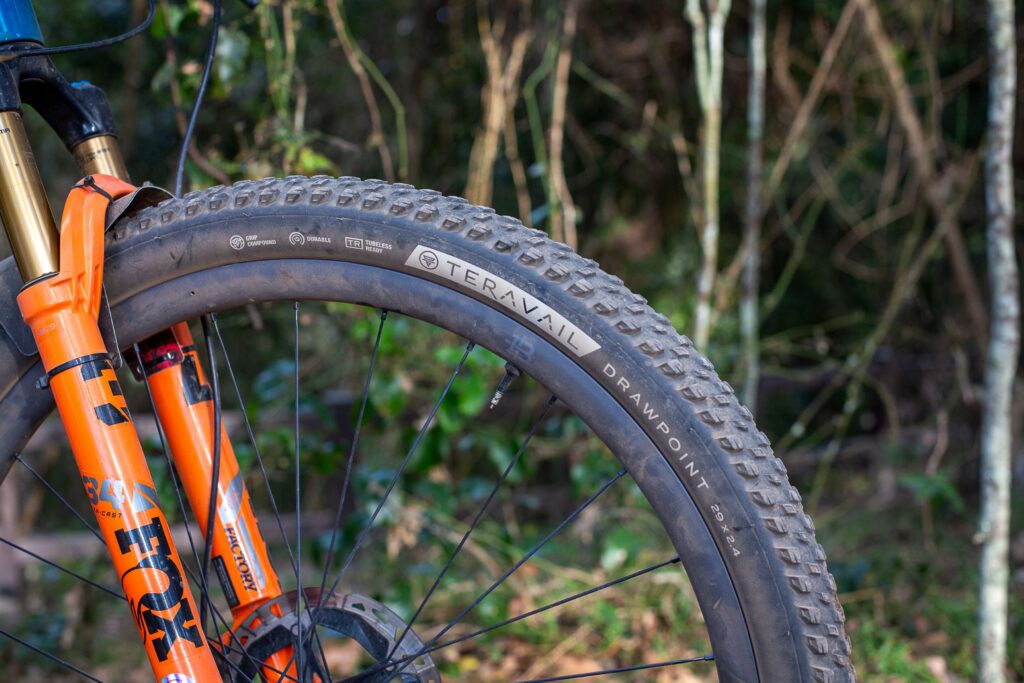
As a downcountry tyre, the Drawpoint comes alive not just on descents, but at trail speed. The 60tpi casing is supportive but far from dead, responding to using features on the trail to find speed – not just pumping rollers but pushing down small rock features and any roll overs. In the dry and loose conditions the Drawpoint was happy going into catch berms willing the edge knobs to do their thing – which they did.
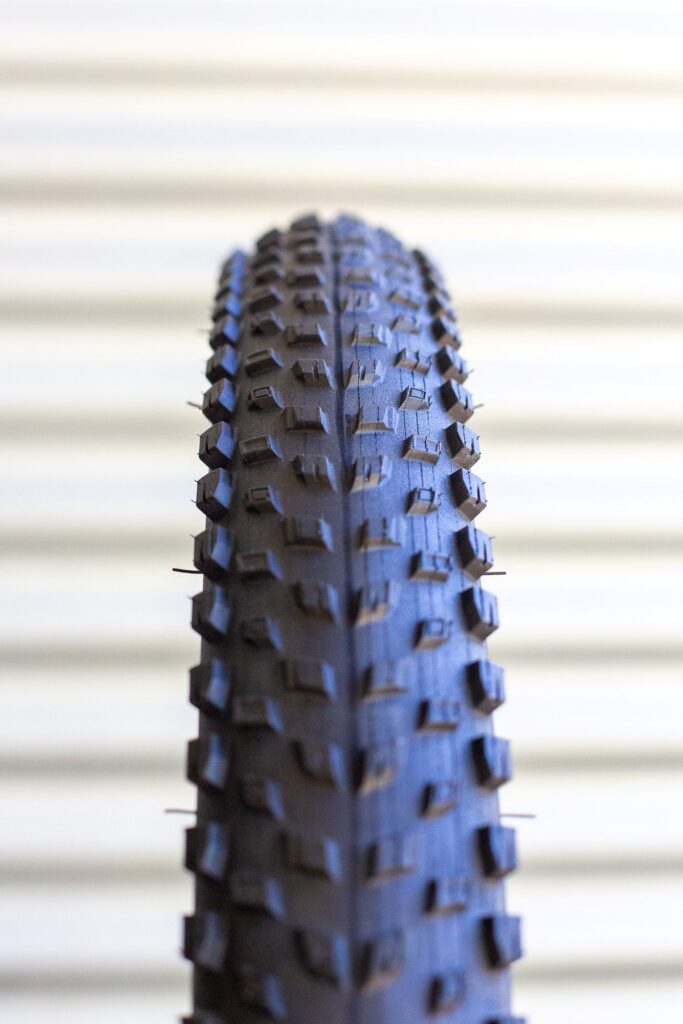
There was minimal push under braking, even on loose over hard, and no surprising break away moments, just expected drift when the terrain was skatier. Alas, there was no moisture in the test period to test the Grip compound. But it did feel better even on hard rock and off angle roots, and conversely was noticeably slower on bitumen.
Final Verdict
The Drawpoint is not a sluggish tyre, but really comes alive when working trail features and at higher speeds on descents. With climbing traction for days, this tyre is one for when you’re living for the descents and flowing trails, and it could be a handy front tyre to pair with a faster rear for a capable and versatile duo.
Key Specs
Size: 29 x 2.4” | Measured 55.5mm
Weight (confirmed): 889g (claimed 910g)
RRP: $113
From: rollostore.com.au
Best for: Riders looking for a downcountry tyre to really play on the trails
So the million dollar question – what tyre should you choose?
The first step is deciding what is most important to you: outright grip, rolling speed, durability, price or support. Most XC riders will be looking for a mix of all of those, and a mix that suits their strengths and riding or racing targets. If you have spent the time getting the most out of your current tyres (including via pressure) make note of what you don’t like about them.
Here are a few of my suggestions, based on this group test.
Tyre choice for value
I don’t want to pay more than the tyres cost on my Corolla
Easy – you would be hard-pressed to look past the CST Jack Rabbit Pro II. It’s a great tyre and really good value. Without a truly low profile tread height you should experience good tread wear and product life. You could also consider the Pirelli Scorpion XC M Sport, instead of the Race model we tested. This uses the same tread and casing, but a simpler rubber. It weighs a bit more and will likely be harder wearing at the expense of outright chemical grip. But at barely half the price it’s a great option.
Tyre choice for endurance and marathon racing
I want to send it at BC Bike Race!
I hear ya. Races like BC Bike Race, or the Swiss Epic, or any stage race which is known for its singletrack presents a challenge when travelling half way around the world to take part. Some of the slickest tyres on test here will be atop the podiums at these races – but that’s not to say they’re the choice for you. Many of us are best choosing a more aggressive front tyre with something similar or perhaps less aggressive on the rear. Consider the fact that just about every feature and corner will need to be ridden on-sight, so err towards something confidence inspiring.
The Continental Race Casing Trinotal front (Grip) with Dubnital rear (Grip) would be a very versatile pairing. A Vittoria Barzo/Mezcal would as well, especially in dry to mixed conditions, or a Terravail Drawpoint with Light Trail casing and a Grip and Fast compound mix. My current go-to is a Maxxis Rekon Race/Aspen combo. For dry conditions I loved the Terravail Camrock on both ends.
Tyre choice for speed
I just want to go fast
Reaching for the semi-slicks and slick tyres is an attractive option – but you need to match those tyres to the specific terrain and your skills. Even for races or rides with a lot of climbing or a lot of sealed climbing, you need the control on the descents. If not just to prevent throwing away time, it may be a chance to recover simply by using tyres that suit.
This is an area to experiment and to find out what you’re comfortable with. Just by doing this group test I’ve realised I’m more comfortable than I thought on slick tyres like the Maxxis Aspen ST, Aspen or Pirelli XC RH. Spend the hours on the tyres you think may work for you – but don’t neglect fresh rubber for any target events.
Tyre choice for downcountry riders
Did I tell you I ride downcountry?
So you’re a downcountry rider. Fine. See my notes above about a versatile combination, and look at the trail casings especially for the rear tyres, and add a tyre liner. A liner will not prevent all damage, but it can give some peace of mind to ride out a rock garden even when you feel the back of your legs getting coated with sealant. A set like the Continental Magnotal in Trail casing, or the Teravail Drawpoint would be difficult to look past
What if I want something more aggressive?
Minion?
None of the Maxxis Minion were included in the XC tyre group test – but if that’s what you prefer to ride then that is fine. If you’re looking for something more aggressive then like the suggestions above, look at the Teravail Drawpoint or Continental Magnotal. You could also look at a Maxxis Rekon 2.4” in MaxxTerra for a nice tyre to bridge the gap from Minion to mild.
Swapping mountain bike tyres to find the ones that suit you can get pricey. I hope this group test helps narrow down some options to suit.
Spend the time being honest about what you don’t like with your current setup, and find a local store that can give some honest advice on what works – not just what they have in stock. And as noted at the start of the article – spend the time to get your tyres setup just right! A little bit more time spent dialling in your setup now could result in far more enjoyable trail time for many, many rides to come.