Why Greg Minnaar Speaking About ADHD Matters
Greg Minnaar’s ADHD diagnosis is helping shift the conversation, highlighting both the challenges and strengths of neurodiversity in mountain biking.
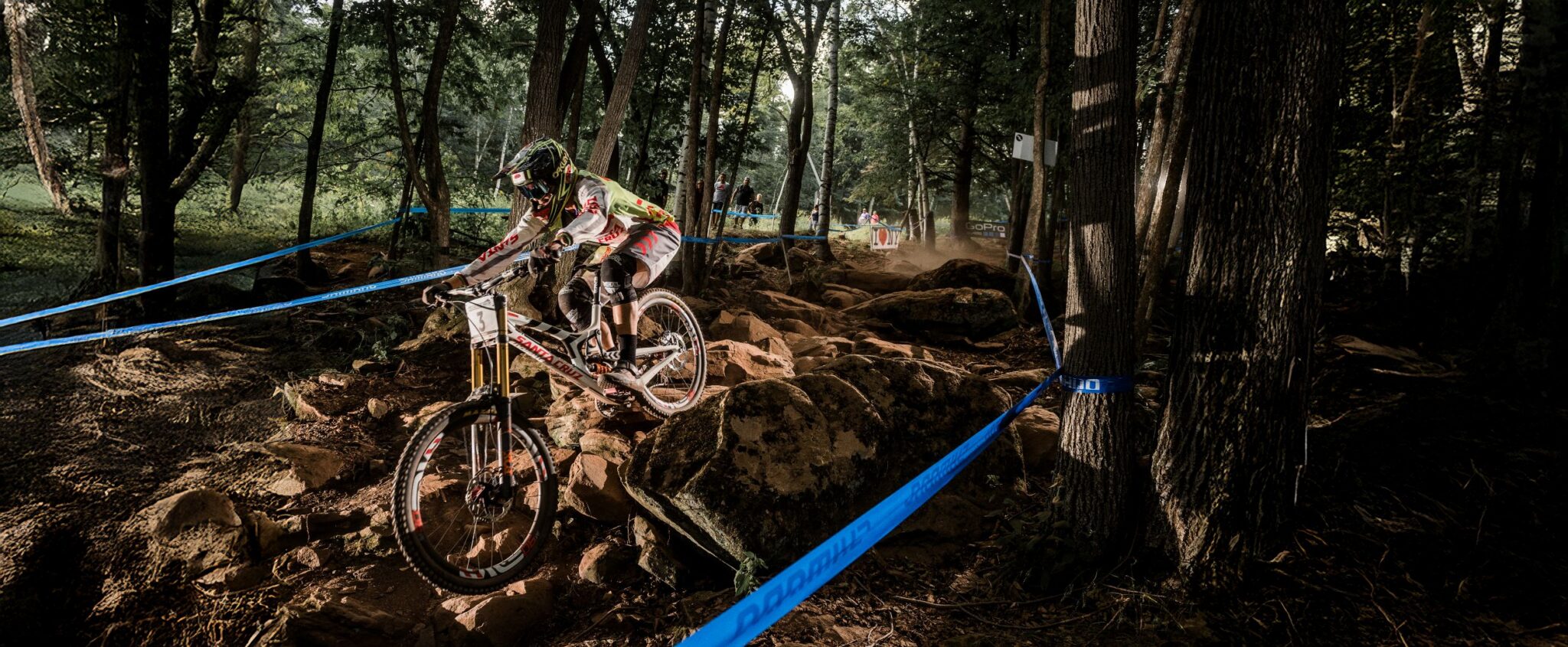
Photo by Bartek Wolinski/ Red Bull
The conversation around ADHD is finally shifting, and it’s about time for the neurodevelopmental difference that has had so much stigma. Better research and awareness mean more people are learning what ADHD traits, and the strategies developed to work with them, mean for themselves and others – people reading this article, people you ride with, people you look up to.
In an October YouTube video, Greg Minnaar discussed being diagnosed with ADHD at 43. The video gained 21,000 views and 108 comments, mostly supportive. His story offers a relatable voice for many riders and encourages others to seek diagnosis and support.
Why Minnaar’s message is so important
In sharing his story of seeking a diagnosis after “not being able to keep up with life,” and the difference awareness, knowledge and medication has made, Minnaar calls bullshit on the shame and stigma attached to both the diagnosis and the meds.
“I don’t think it [ADHD] really affected my racing as such. But it definitely affected the processes of getting to the start line,” he said.
“I reckon I would have enjoyed racing a lot more,” he added. This comment is critical. With 22 Downhill World Cup wins and World Championship titles spanning three decades, Minnaar’s consistency and ability to focus on critical details bust some outdated and misinformed ADHD stereotypes that have led to people like himself flying under the radar for so long.
“It looked quite calm on the external, but the internal was a whirlwind of procrastination and trying to get to the right place, and negativity and all this emotion as well, because you don’t manage emotion well.”
While medication doesn’t work for everyone with ADHD, and needs to be supported with exercise, diet, good sleep, and other strategies, it’s sad when people avoid potentially helpful strategies due to misinformation or judgment. Voices like Minnaar’s help change that perception.
It’s also grounding to hear about the struggles of someone who has been on a pedestal for so long.
“I always struggled with reading. And all of a sudden I’m reading like a boss!” he said, before speaking about the difficulties of finishing tasks, the stress and anxiety this caused, and how it all came to a head when moving from a racing role to managing a team. This humanises the message and makes it relatable to others experiencing similar struggles.
Every voice makes a difference
Equally powerful are the comments Minnaar’s video has received on social media. Especially comments from people relating, sharing their stories, asking for resources, speaking about their own struggles, what they’re proud of, and the roles of mountain biking in their own neurodivergent story.
Each comment fosters a greater sense of community and acceptance, helping more people learn about their own experiences, shades of grey (rather than black and white), and the experiences of those around them.
ADHD and Mountain Biking
ADHD appears to be more prevalent among mountain bikers than in the general population. The sport attracts people who like to move, love a good challenge, process risk differently, hyperfocus on passions, constantly experiment with new approaches and ideas (eg. with line choice, technique, route selection and equipment) – all ADHD strengths.
In Minnaar’s case, some of these positive traits likely contribute to his inquisitive and innovative approach to bike setup, his skill and adaptability across several types of trails, his strong work ethic (often a byproduct of feeling like you can’t keep up in other areas of life), and encourage the training variety that allowed him to race at the top level for 27 impressive years without burning out.
Time on the bike also aids in self-regulation and can reset a busy brain, which is why many with ADHD say they need to ride to feel more like they want to feel away from the bike.
Increased awareness means increased support
Neurodiversity is a common topic on the trails at the moment, reflecting increased awareness beyond them. Too often, these conversations are framed negatively, rather than emphasising the positive skills and characteristics neurodivergent folk bring to the ride.
If some of the experiences in this article resonate with you or someone you ride with, remember: a) there are a tonne of different strategies you can keep learning to support your amazing brain, many of which you’re probably quite good at already and b) you’re in some pretty good company indeed.
Learn more from Kath Bicknell about working with your mind to get more out of your experiences on the bike through online coaching and courses:
Web: intelligentaction.cc
Insta: @Intelligent_Action
Facebook: Intelligent Action