Hidden Vale’s Next Chapter
From Epic Marathons to Gravity Missions
Words by Anna Beck | Photography by Nathan McNeill, Lachlan Ryan
Hidden Vale Adventure Park has come a long way since the first riders pedalled dusty fire trails across its sprawling hills in the inaugural Flight Centre Cycle Epic in 2002. What began as a handful of mates exploring farm roads has grown into one of South-East Queensland’s premier riding destinations – a 12,000-acre mix of working cattle farm, conservation area, and trail network that attracts everyone from families to enduro addicts.
At the centre of it all is Graham “Skroo” Turner, founder of Flight Centre and the man who helped kickstart the Flight Centre Cycle Epic, Australia’s original mountain bike marathon. His connection to the land, and to the sport, goes back more than two decades.
The Early Years
“We came back from London and started Flight Centre around 1980–82,” Skroo recalls. “We were living at Kenmore, then moved to Brookfield (QLD) – and back then we used to do a fair bit of fire trail riding through the state forests around Brookfield and Mount Nebo.”
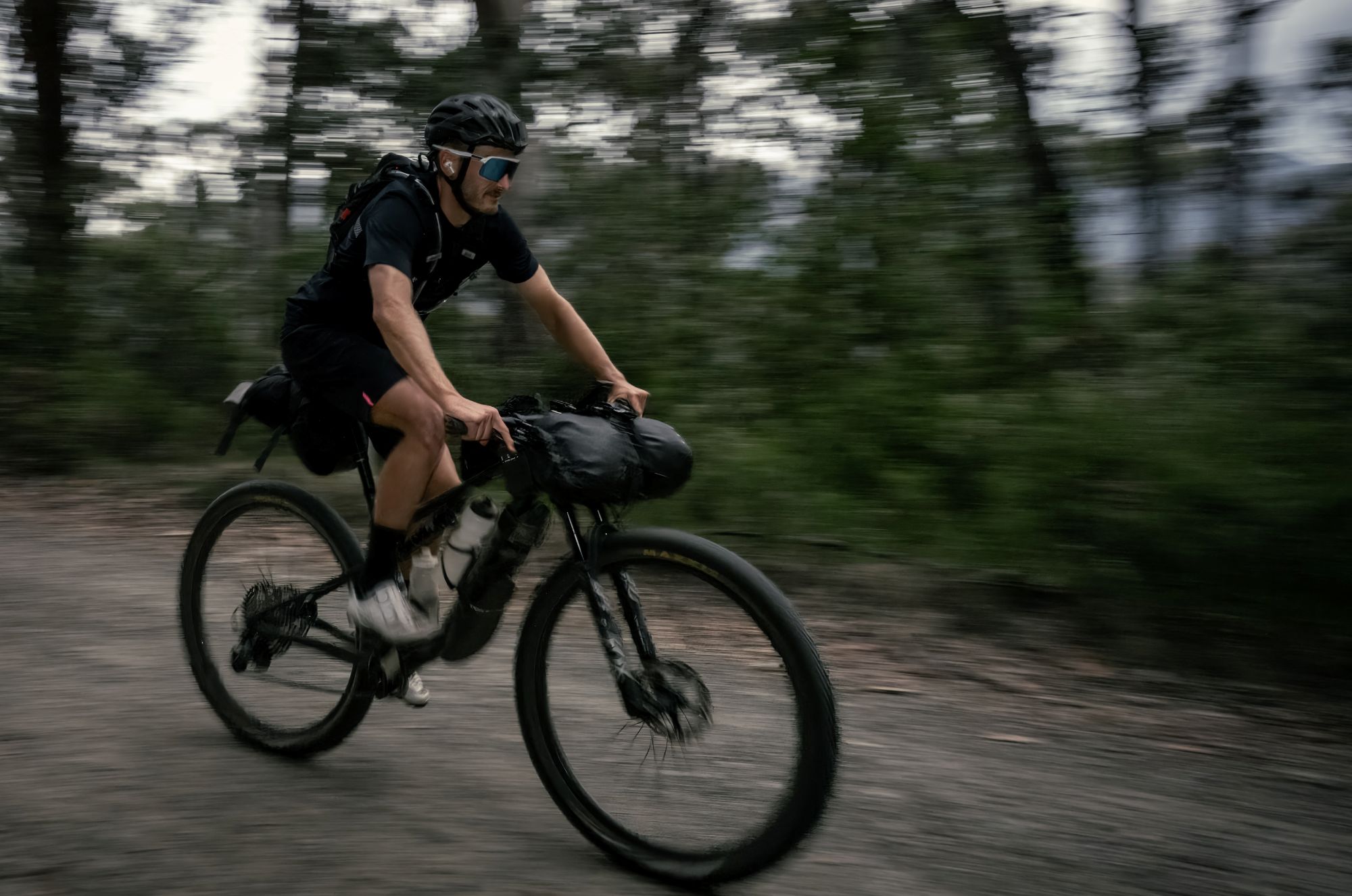
Those early rides were about exploration and endurance, with the terrain meaning hard slogs on steep climbs, long, chattery fireroad descents, and wide bush roads that wound endlessly through Queensland’s D’Aguilar Range. Mountain biking was still in its infancy in Australia. Purpose-built singletracks were handbuilt and few and far between, and the term “trail network” wasn’t yet part of the vocabulary.
“When we bought Hidden Vale in the late 1990s, we started riding out there too,” he says. “We’d head out with friends and explore the property and surrounding area. One year in the early 2000s, Todd Horten and a few mates and I rode from Toowoomba the back way into Hidden Vale” and the seed of an idea for the Flight Centre Cycle Epic was sown.
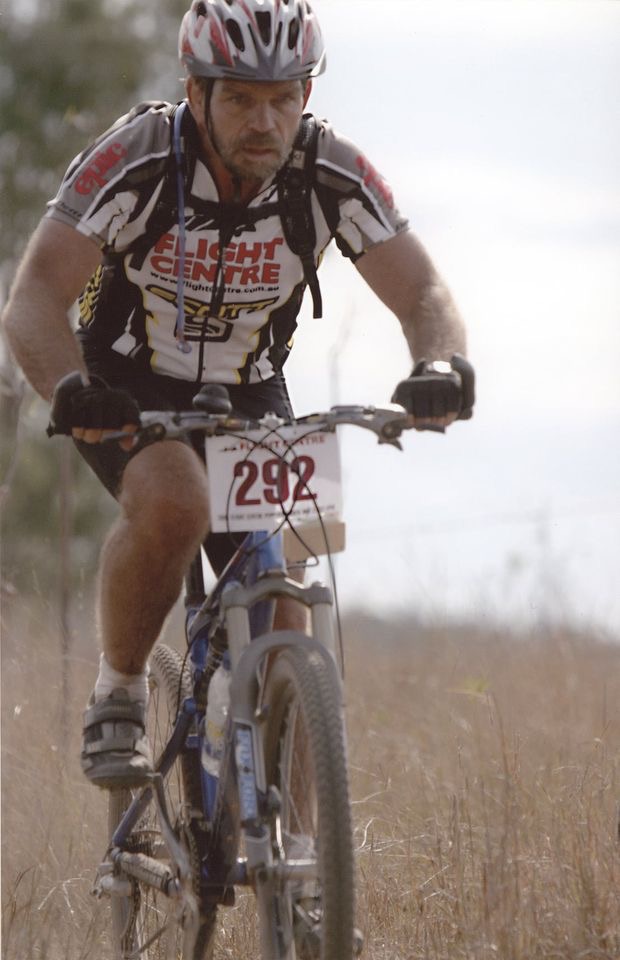
By 2002, the idea for a race across the rugged hills of Hidden Vale had begun to take shape. “The Epic race was initially held mostly on farm roads, finishing within the Hidden Vale property,” Skroo explains. “I think we did the first reconnaissance ride in about 2002, and the first Epic was the next year, 2003.”
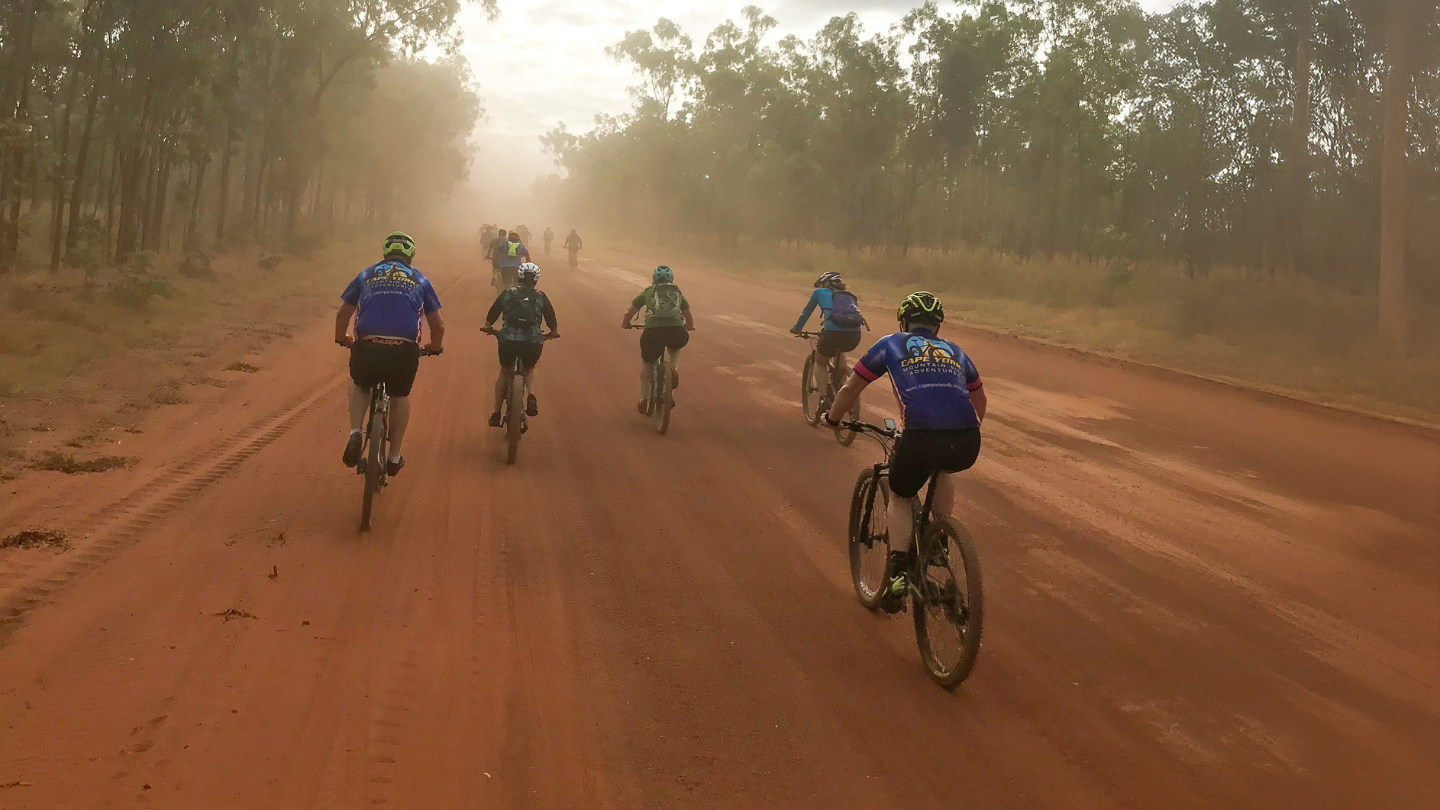
That inaugural event was a revelation for the Australian mountain biking scene. It was raw, dusty, and punishingly long. The course snaked through paddocks, creek crossings, and farm roads, with riders grinding out over 100 kilometres in the Queensland heat.
Over the years, as the event evolved, so too did the trails beneath it. “As the years went on, we incorporated more and more singletrack,” says Skroo. “It started with a few bits here and there for the first five years, but eventually, it became almost entirely singletrack – all within Hidden Vale.”
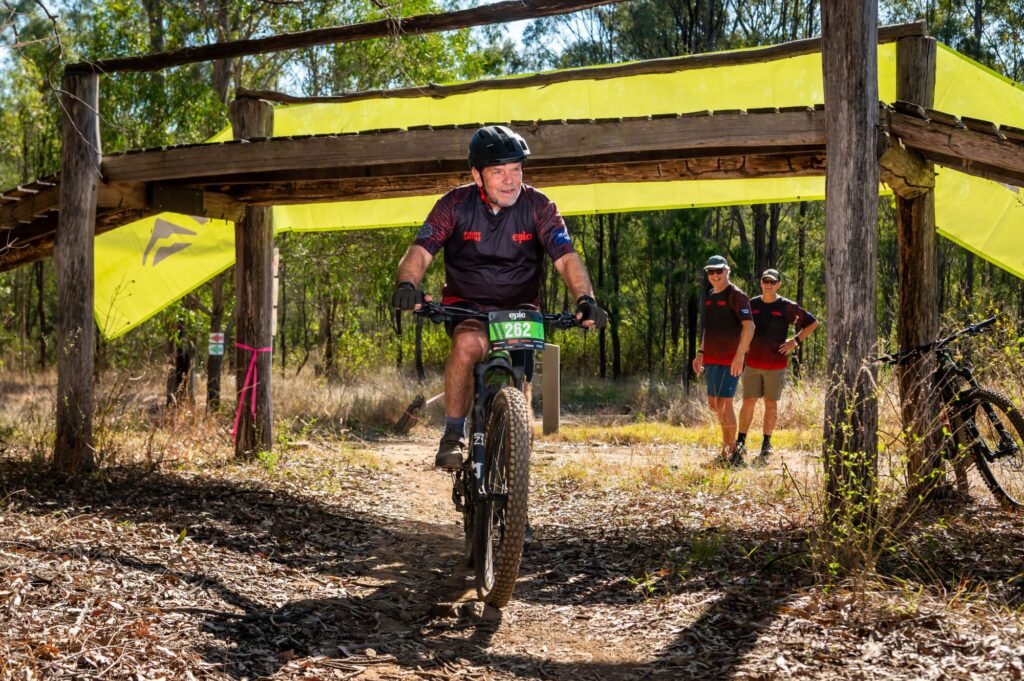
More than 20 years on, the Flight Centre Epic still serves as the beating heart of Hidden Vale – a celebration of the park’s heritage and its evolution. Skroo himself has ridden every edition. “Until a couple of years ago, I’d done them all on a standard mountain bike, full distance,” he says. “The last couple of years I’ve switched to an e-bike and done the shorter distance, which is still pretty hard!”
Building the Network
A pivotal moment came in 2007, when Hayden Brooks joined the operation full-time, and Hidden Vale brought in the expertise of World Trail to begin purpose-building the network. The goal was ambitious: to create 100 kilometres of high-quality singletrack spread across the property’s undulating ridgelines and valleys.
“At first, it was mainly cross country style trails,” Skroo says. “But now we’ve got some good downhill trails too. The idea was always to make Hidden Vale one of the best mountain bike parks in Australia.”
At the time, that wasn’t hard – purpose-built parks were rare, and few could match Hidden Vale’s sheer scale. But as mountain biking in Australia exploded, competition grew fiercer. “Now there are plenty of great singletrack parks across the country,” Skroo admits, “but we still aim to be one of the premium destinations, even though the competition is much stronger these days.”
What’s kept Hidden Vale relevant is its ability to adapt. The park caters for every kind of rider, from first-timers to enduro racers, with trails that range from smooth flow to chunky rocky tech. “It’s really important to have trails that make less experienced riders feel confident and have fun,” says Skroo. “That’s how the sport grows.”
A Working Farm and Wild Refuge
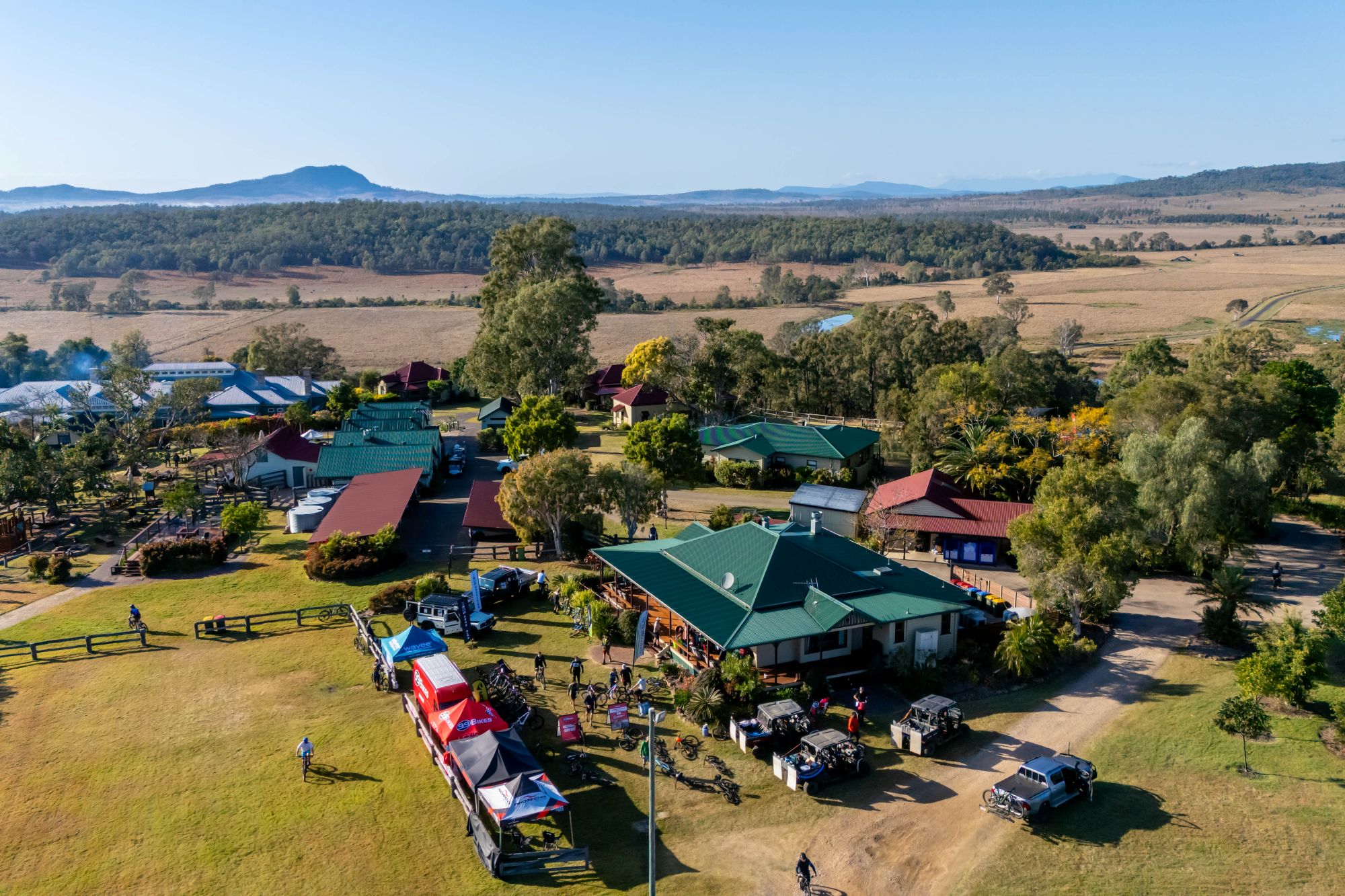
Hidden Vale isn’t just a trail park, It’s also a working cattle farm, luxury retreat, and a nature refuge. Which makes HVAP a study in diverse property management and eco-tourism.
“One of the issues we had 10–15 years ago was cattle on the trails,” Skroo laughs. “After rain, the cattle would wander over them and really mess the trails up. We’ve organised that better now, and we’re even experimenting with electronic tags that track and guide where the cattle go.”
The park’s farmer now manages the herd using GPS-enabled collars, allowing remote control of grazing zones. “It keeps them off the trails after wet weather,” Skroo says. “The cattle actually help reduce fire risk and keep the property in good shape – it’s a balance between farming and recreation.”
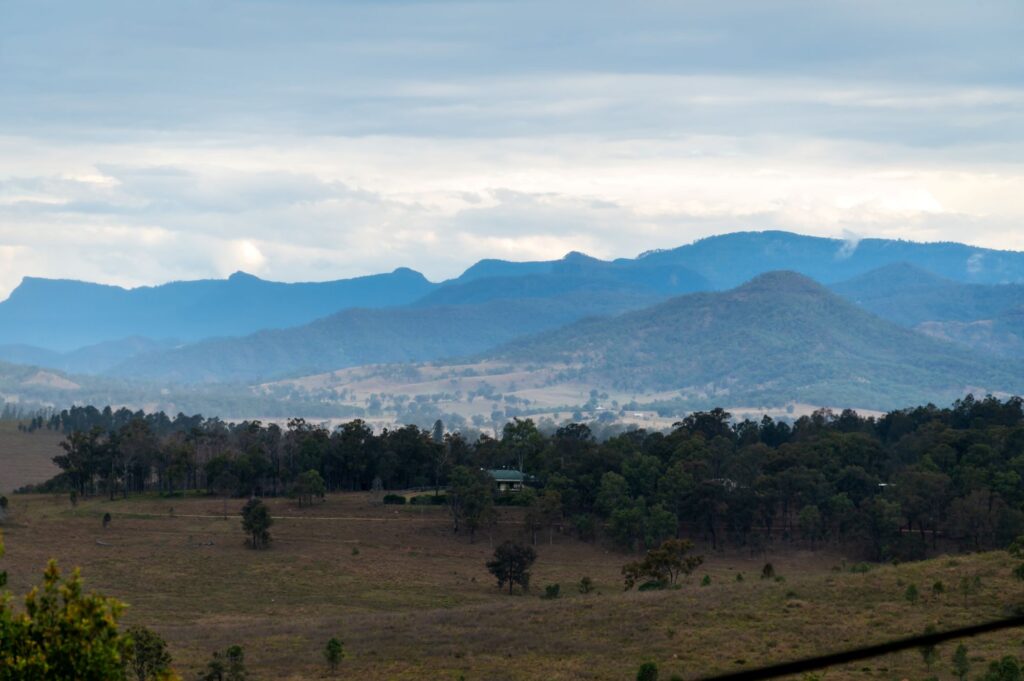
Hidden Vale’s 12,000 acres are also registered as a Nature Refuge, part of Queensland’s conservation network. “We’re putting a lot of time and money into the weed control program, managing lantana and other invasive plants,” says Skroo. “Having cattle helps with that too. It’s good for biodiversity and managing fire risk.”
The property is home to a range of native animals including koalas, bettongs, along with grey-headed flying foxes and glossy black cockatoos. A partnership with the University of Queensland supports ongoing research and restoration work, combining recreation with conservation in a way few MTB parks can match.
A Park for Everyone
Trail development now sits in the hands of Tim Richmond, who oversees HVAP’s day-to-day operations and future growth. His vision balances inclusivity with progression.
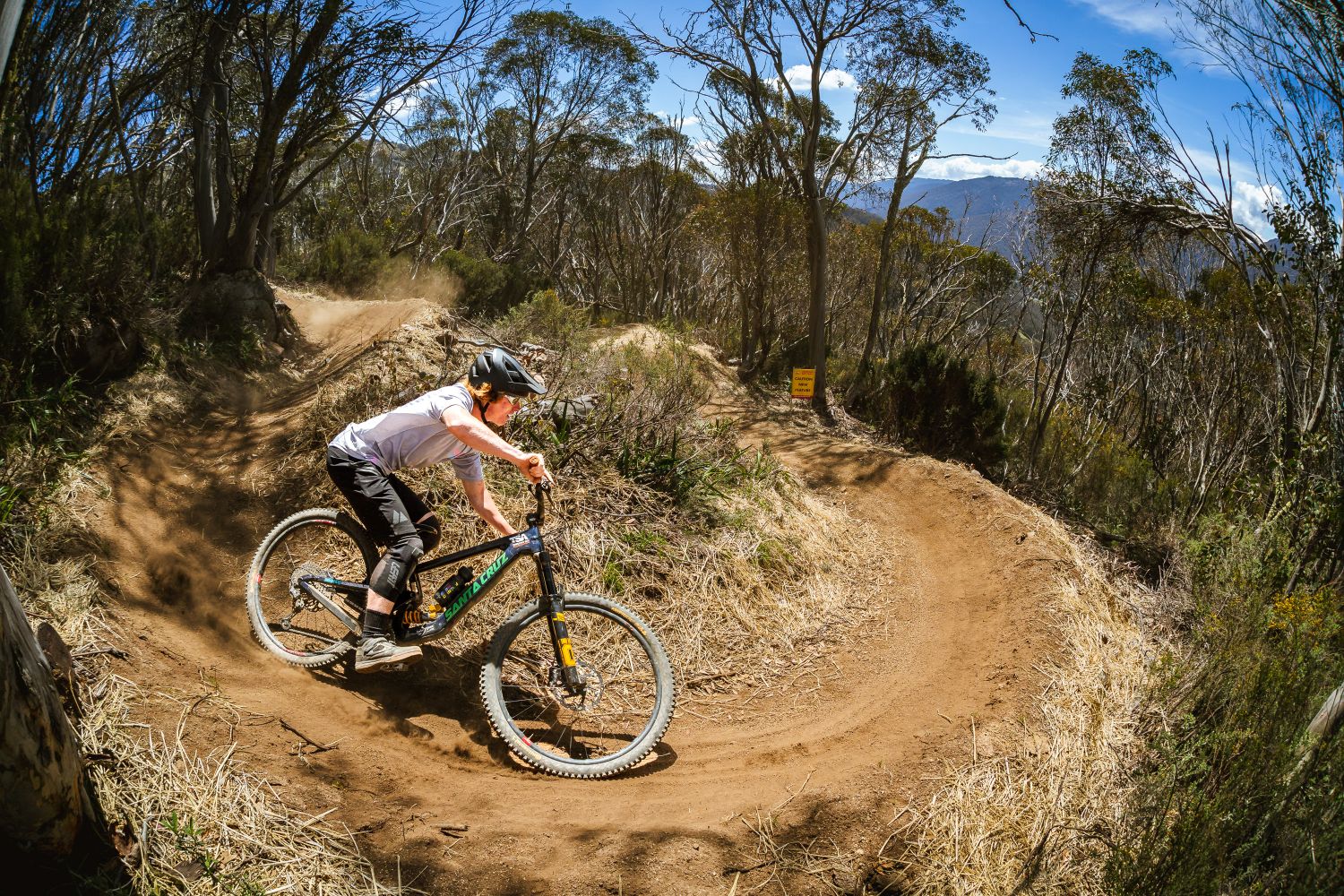
“We’re working to build a trail network that appeals to all levels – beginner, intermediate, and expert,” says Tim. “We’re refreshing existing trails with more features that are fun for everyone. Beginners can still enjoy them, but experts will find challenges too.”
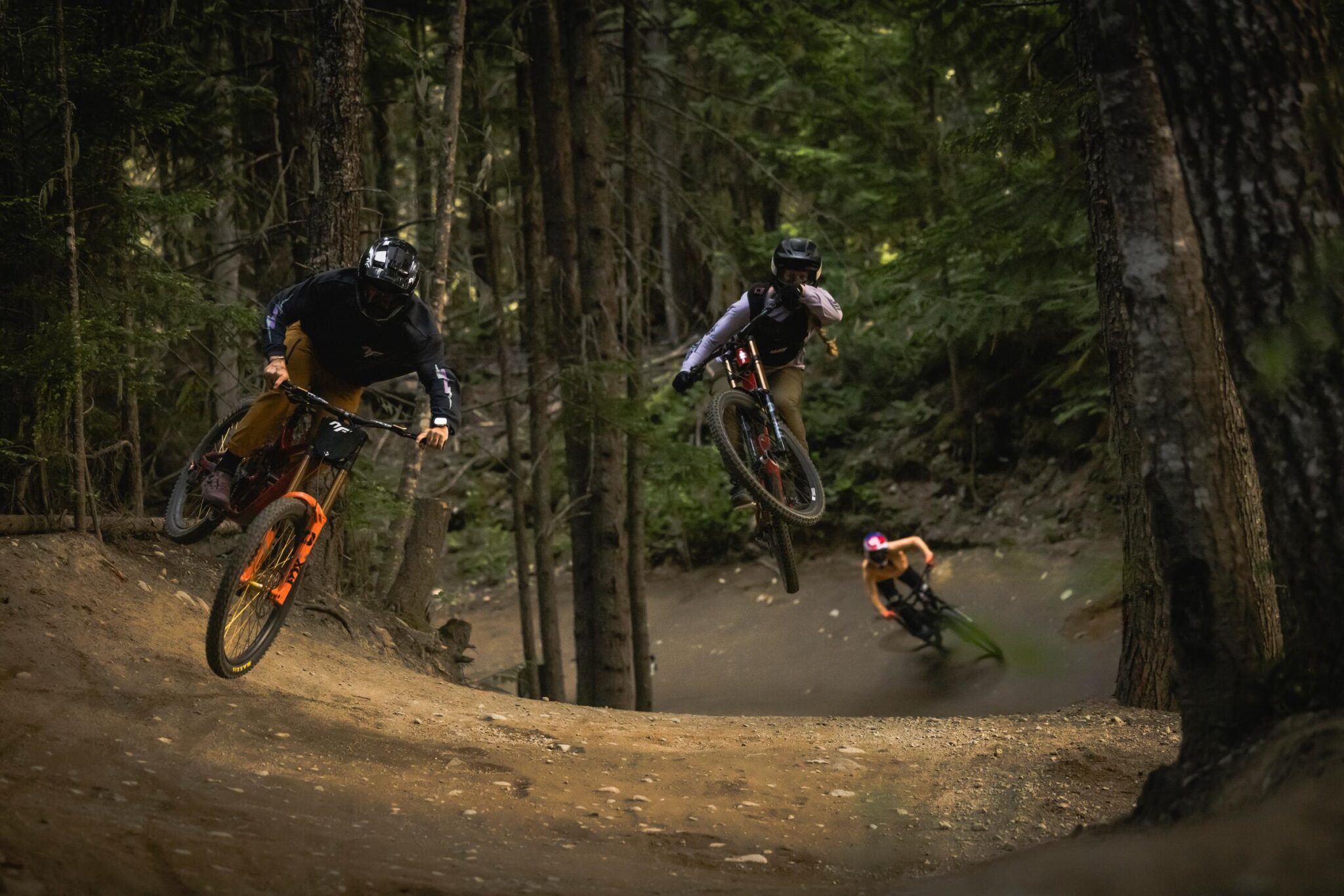
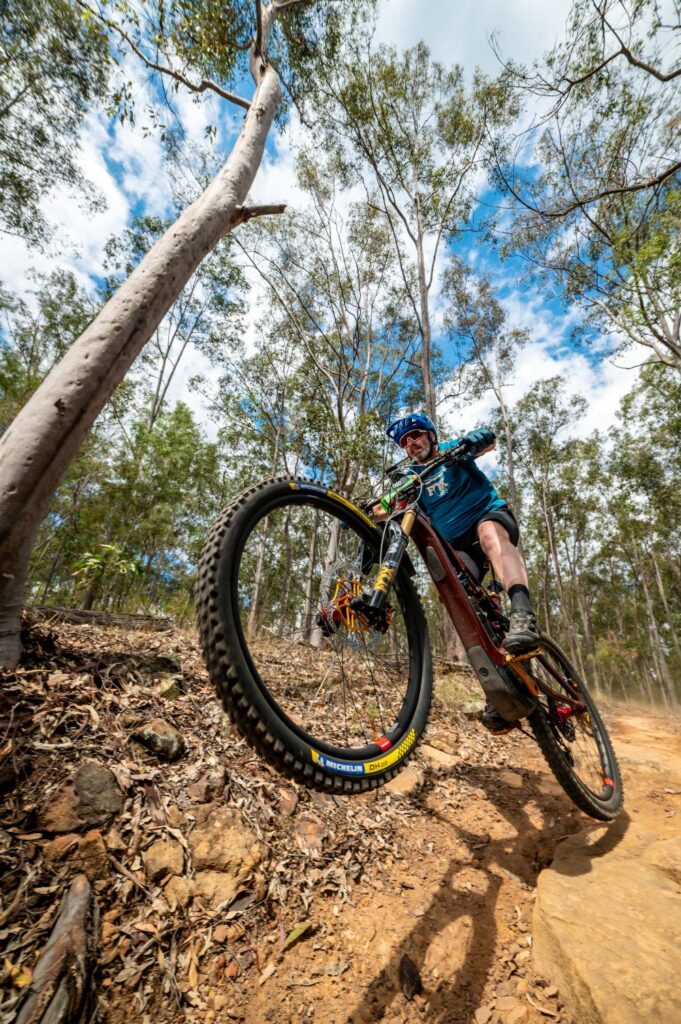
While the early years focused on cross-country flow, modern Hidden Vale is now focussing on building more gravity-style trails – a nod to the growing popularity of enduro riding and racing within Australia. “We’ve got new trails like Firebreak and Jalapeño,” Tim says. “They’re more gravity-oriented, with airtime and rough, rocky sections.”
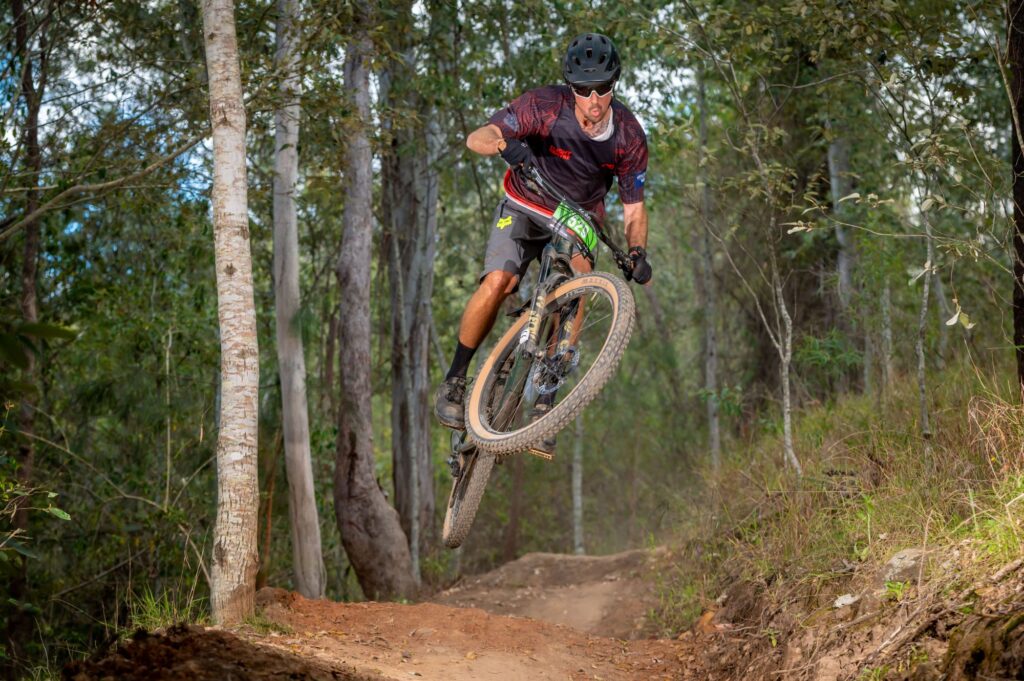
The long-term plan is ambitious: “We’re looking to extend Firebreak to make it about a six-kilometre downhill flow trail, and extend Jalapeño on the opposite ridgeline into a five- to six-kilometre double-black hand-built track. Ideally, the two will connect at crossover points so riders can mix and match sections.”
To maintain quality, the park recently scaled back its total singletrack network from 110 kilometres to around 80. “It’s a commercial decision,” Tim says. “It’s better to have fewer trails maintained to a high standard than too many that fall into disrepair. We’ve implemented a monthly maintenance routine, using quad bikes to inspect and maintain trails.”
Beyond the Bike
While mountain biking remains HVAP’s backbone, the park has diversified. “Beyond mountain biking, we offer archery, 4WD tours, and other adventure activities,” says Tim. “There’s Spicers Retreat on-site, which has one of Queensland’s best restaurants, Homage.”
For families, school groups, and first-time visitors, HVAP is becoming an adventure hub. “During school holidays, we run a giant slip-and-slide, kids’ coaching clinics, and youth shuttles,” Tim says.
To make it easier for riders to stay and play, the team is working on a new campground near the old event site in the centre of the property. “We’re still working with Ipswich City Council on approvals,” says Skroo. “We hope it’ll offer powered sites, glamping tents, and amenities. With so many riders travelling with camping setups, it’ll make it easier for families and groups to stay on-site and make a weekend of it” explains Tim.
To help riders maximise their time on the descents, HVAP runs a dedicated shuttle service using Can-Ams and a Troop Carrier setup. “We can carry up to 24 riders per session and can customise sessions for groups, including downhill-specific sessions,” Tim says.
The Next Chapter
Hidden Vale Adventure Park has matured from its fire-road roots into a fully fledged mountain bike destination — part endurance heritage, part modern gravity playground. With 80 kilometres of singletrack, luxury accommodation, wildlife conservation, and a working farm all sharing the same landscape, it’s a rare combination of recreation and stewardship.
As Tim puts it: “We’re committed to improving the park and keeping it at a high standard. The goal is still the same — to make Hidden Vale one of the best riding destinations in Australia.”
And with every new sculptured berm, bridge, and black-diamond descent, that legacy continues to grow.
Tim’s Must-Ride Trails at HVAP
“For beginners, Plane Sailing is perfect — it’s accessible, low elevation, and great for building confidence,” he says. “For intermediates, Dialled In from the 500-metre elevation point is ideal. And for gravity riders, Firebreak and Jalapeño are must-rides — fast, rough, natural, and with plenty of features.”