Maxxis Forekaster, DHR II and Dissector Get an Update
Maxxis rolls out an updated MaxTerra compound across its popular tyre lineup, promising improved traction and durability for everyday trail riding.
Maxxis have announced a fresh range of tyres, with an updated MaxTerra compound. The MaxTerra compound has typically been their perfect ‘do everything’ compound, offering an intermediate level of grip between the super-fast MaxSpeed compound used in the brand’s speediest offerings (think Aspens and Rekon’s) and the ultra tacky MaxxGrip (downhill, enduro, wet weather grip).
For most of us, MaxTerra offers that perfect trade-off between rolling resistance and grip. Today, Maxxis have launched a range of new tyres featuring the new MaxTerra compound with several casing and TPI options including Minion DHF, Minion DHR 2, Assegai, Dissector, Forekaster and Rekon treads.
Maxxis’ latest MaxTerra upgrade promises a 30% increase in tread wear and durability, as well as 15% improvement in traction. As the middle child of Maxxis’ compound offerings, the MaxTerra has always offered the best trade off for riders looking for a long-wearing, durable trail tyre – but how does it ride?
We have spent around a month on the Forekaster, Dissector and Minion DHR 2 with the new casing, and impressions are solid.
Maxxis Forekaster – The Intermediate Trail Combo For Everyday riding
Weight (actual): 955g
Size: 29”x 2.4”
Compound: MaxTerra
Casing/TPI: EXO/60TPI
RRP: $104.95
Available from: lustyindustries.com
Tester: Anna Beck
Bike ridden: Yeti Arc – Trail Spec
Weight: 63kg
PSI: 20 front / 21 rear
Trails ridden: Everything in SEQ.

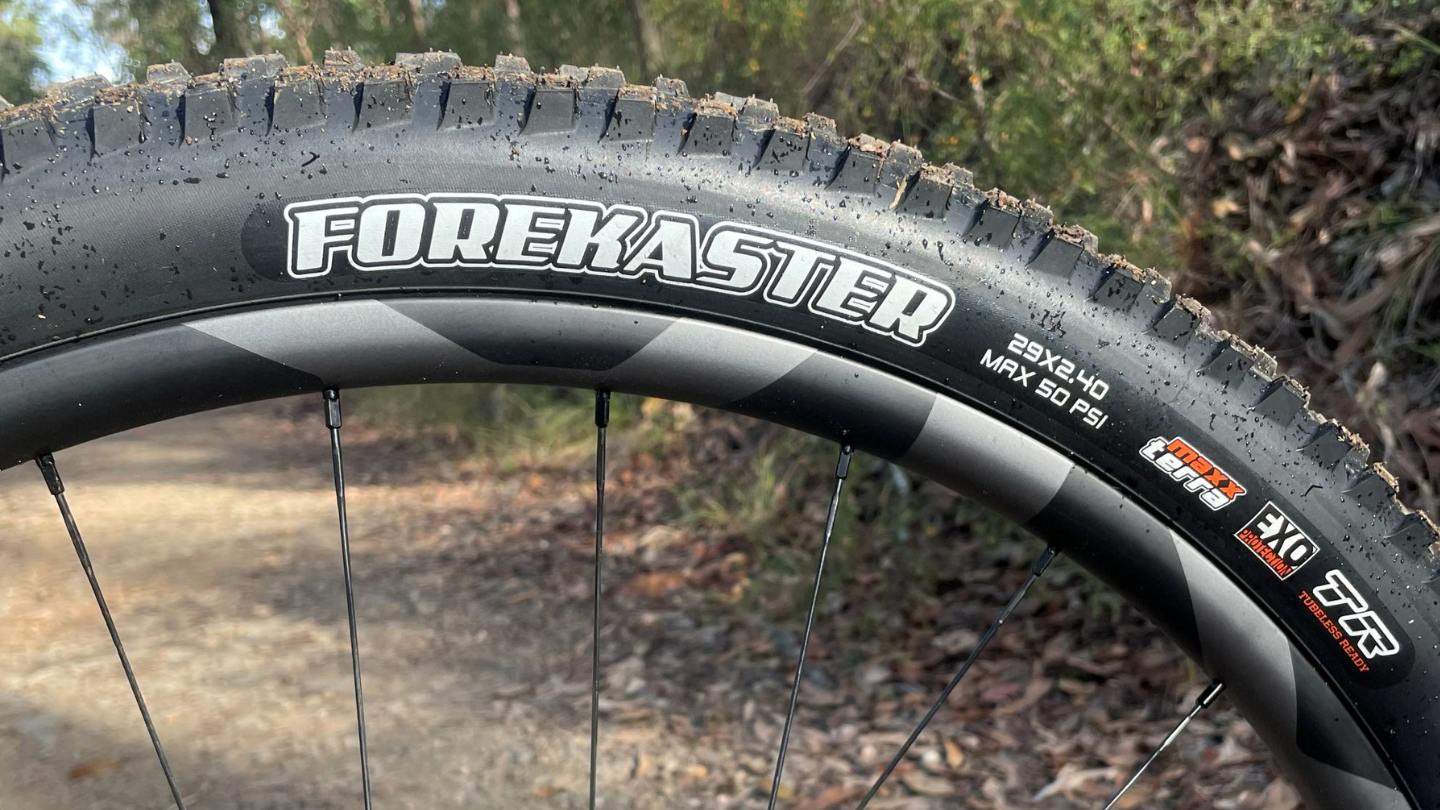
The Maxxis Forekaster has long been an AMB favourite for wet conditions. We tested the new MaxTerra compound in 29”x 2.4” with a 60TPI EXO casing. The Forekaster is also available in 29”x2.4” in the more hardy EXO+ casing, as well as 27”x2.4” and 29×2.6” variants.
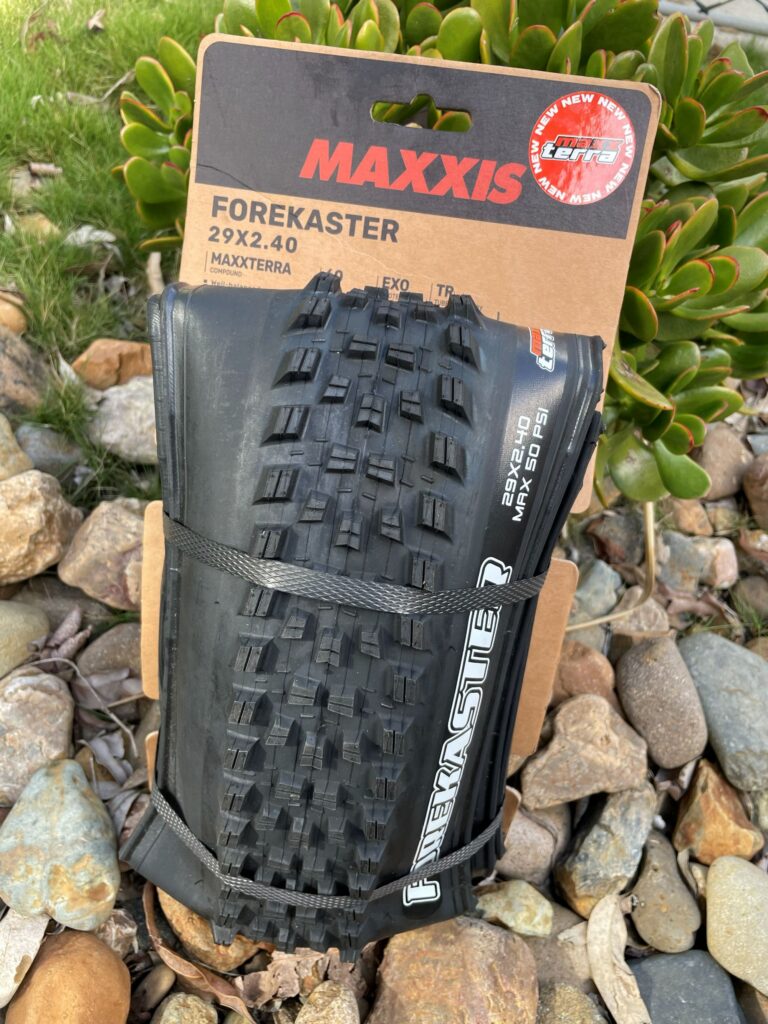
Seating the tyre took some encouragement, mounting to Shimano’s XTR M9220 Trail carbon wheelset took a bit more muscle and brawn than I’m used to, but once in place it proved dependable and fuss-free. Throughout the 15-hour testing period I ran the Forekasters insert-free with Joe’s No Flats sealant at 19/21PSI front/rear.
Tread-wise, the Forekaster occupies that increasingly relevant middle ground. It’s substantially chunkier than outright cross country race rubber (think Aspen’s, Rekon Race’s), yet avoids the deep knobs of the gravity-staples such as the Minion or Assegai. The tried and tested 2-3-2 centre knob pattern (similar to the Forekaster’s big brother, the Asssegai) is matched with a moderately aggressive outer knob, giving a little more security than a lower profile tread.
On the Trail
Think baby-bear’s porridge territory – a tyre built for everyday riding rather than specialist conditions. For downcountry bikes, ride-everything trail bikes and cross-country rigs facing wetter seasons, the Forekaster could be your new best friend.
The wider spacing and slightly more pronounced knobs shed mud well and bring a noticeable boost in confidence when trails soften or become unpredictable. Braking traction is particularly reassuring in moderate conditions, offering control without feeling sluggish or overtyred.
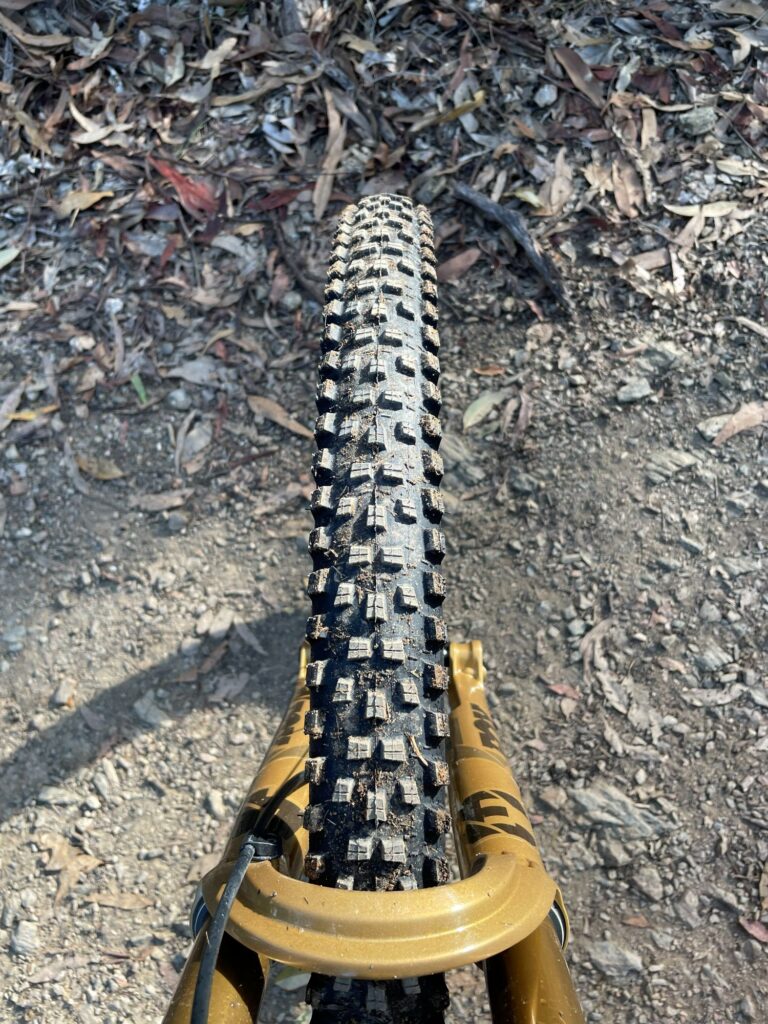
On loose-over-hard surfaces it rolls with familiar XC manners – you can find your limit with a bit of over enthusiasm, but on the trail its rolling weight is less apparent, and it really comes into its own when things become either powdery or wet.
The added tread becomes evident on fireroads and faster trail sections where speed is conceded as a consequence of increased grip – and the 955g weight is certainly noticeable on sustained climbs.
Our Take
It’s not the fastest option in the Maxxis lineup – but that’s missing the point for this do-it-all trail shoe. Among friends while testing, we came to call it the ‘mini Assegai’ such was the appearance and performance of the new Forekaster, it’s also quite similar in performance and tread to the Bontrager Gunnison XR tyre, which we rolled on while testing the Trek Roscoe.
The Forekaster in the MaxTerra compound shone through in wet, damp and sandy unpredictable conditions, and managed to hook up on super loose climbs where traction was more important than rolling weight.
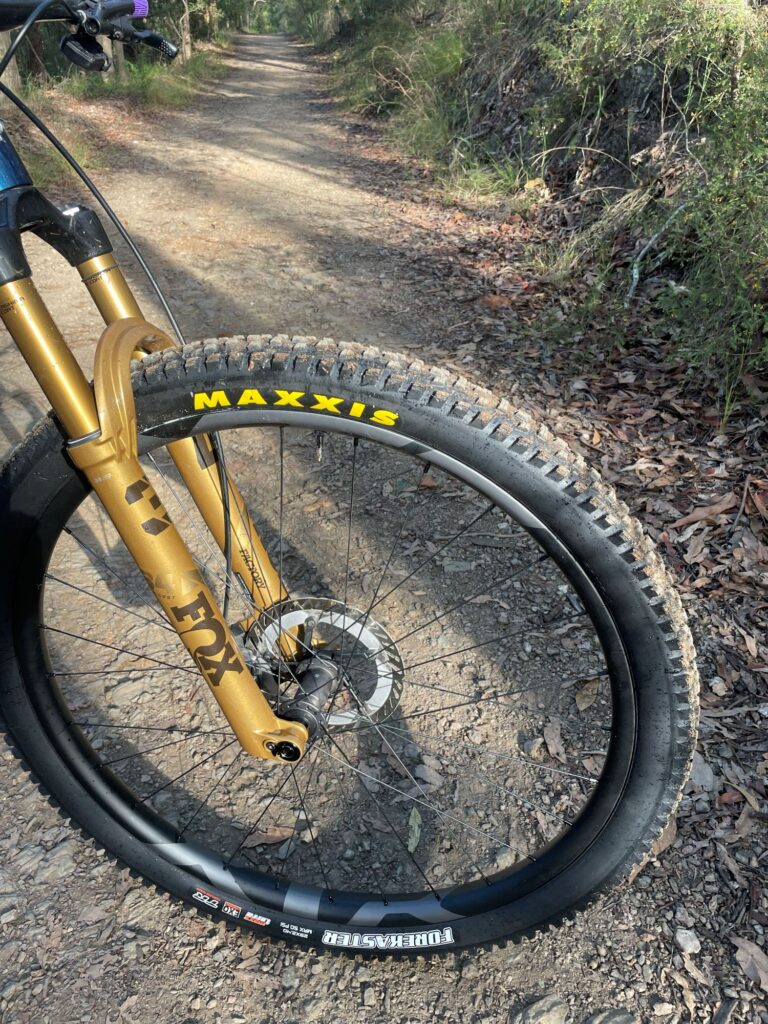
Importantly, the Forekasters had no issues throughout testing, and maintained pressure almost exactly to the PSI over several days of bikepacking through trails, and 15 hours in show nearly no signs of wear and tear – a testament to the MaxTerra’s durability.
The Maxxis Forekaster is about consistency, versatility and confidence on the trail, making it a great intermediate choice for riders prioritising traction over out and out speed.
Maxxis Minion DHR II and Dissector – A pigeon pair for loose-over hard on aggressive trail bikes
Tester: Alex ‘Shaddy’ Shadbolt
Bike ridden: Transition Sentinel
Weight: 70kg
PSI: 23 front / 24 rear
Trails ridden: Victory recreational Heights Gympie.
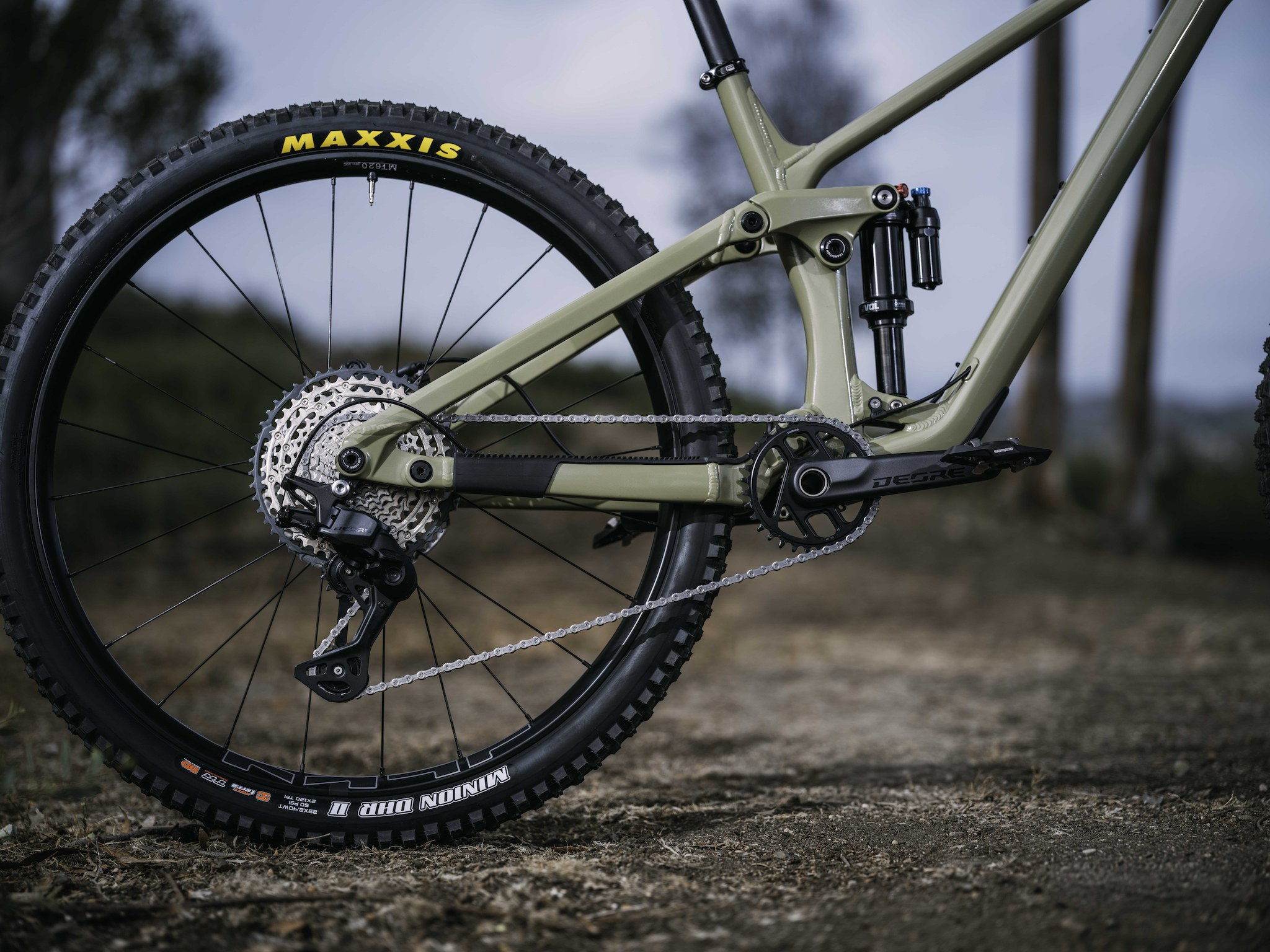
Maxxis Minion DHR II
Weight (actual): 984g
Size: 27”x 2.4” (available in 26”x2.4”, 27.5”x2.4”/2.5”/2.6” and 29”x2.4”/2.5”/2.6”)
Compound: MaxTerra
Casing/TPI: EXO+/60TPI (also available in DoubleDown, DH and EXO casing)
RRP: $104.95
Available from: lustyindustries.com
Maxxis Dissector
Weight (actual): 1040g
Size: 29”x 2.4”
Compound: MaxTerra
Casing/TPI: EXO+/60TPI
RRP: $104.95
Available from: lustyindustries.com
There’s something reassuring about throwing on a fresh set of Maxxis Minion DHR II and Dissector tyres. They’re familiar, proven, and for a lot of riders, they’re the benchmark. But with
Maxxis quietly updating their MaxTerra compound. I was keen to see whether this ‘do-it-all’ compound has genuinely moved the needle on performance and longevity.
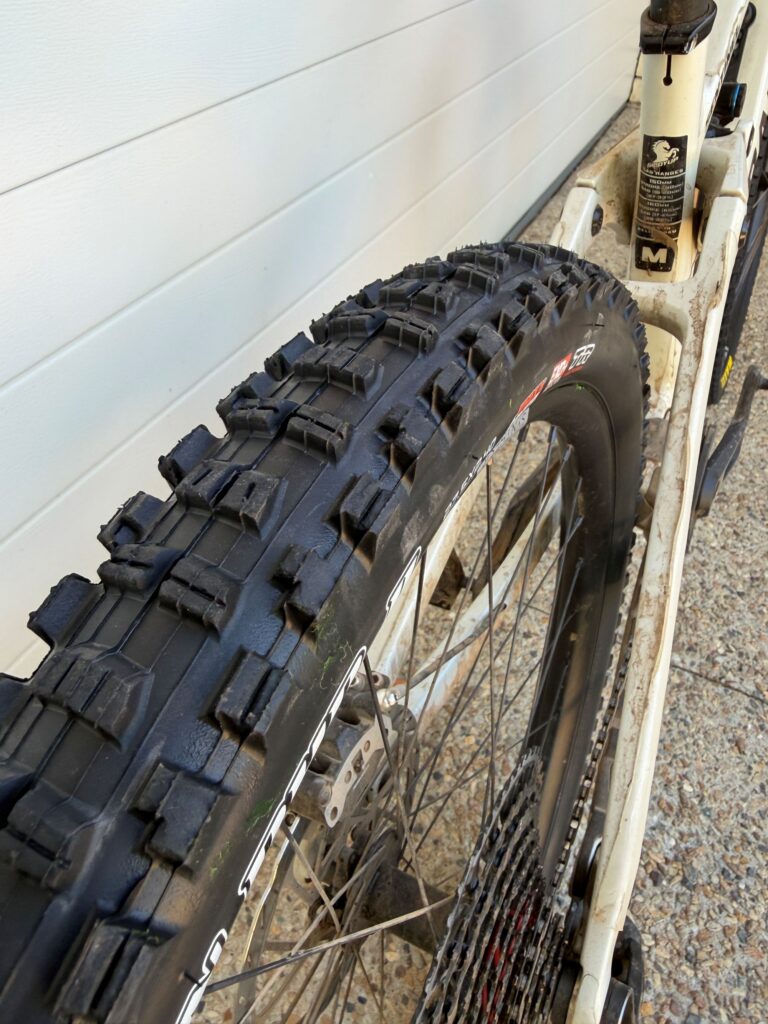
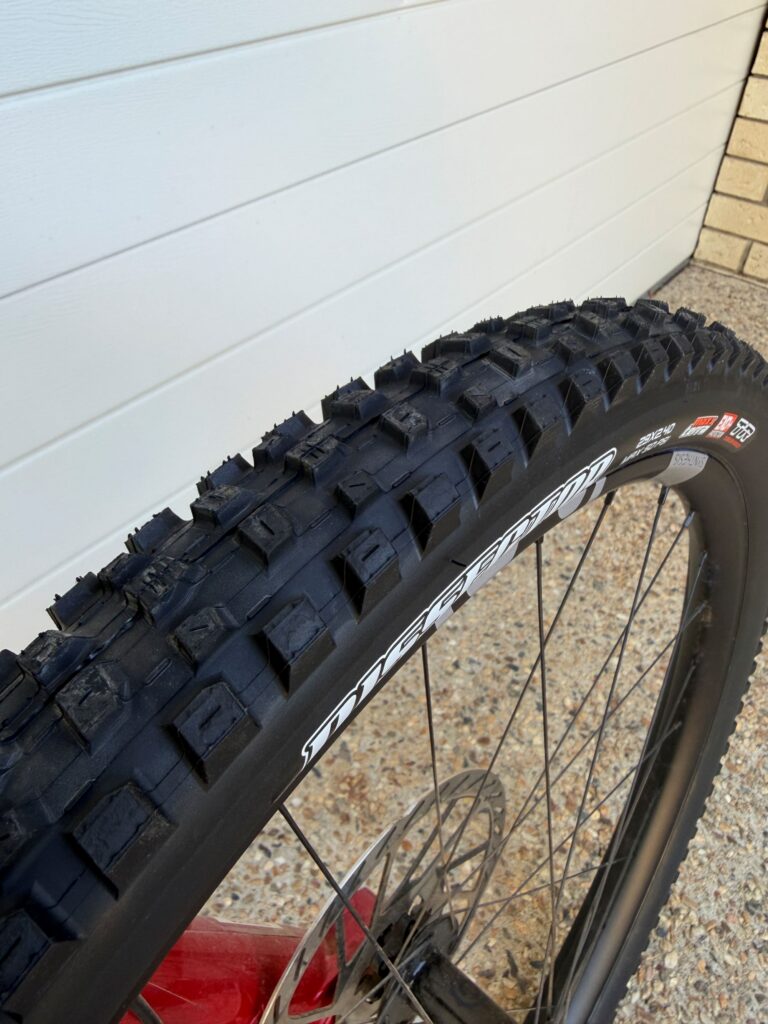
For this setup, I’ve gone with a 27.5”x2.4” DHR II on the rear and a 29”x2.4” Dissector up front,
both in EXO+ casing and MaxTerra compound – a combo that leans toward aggressive trail riding, but still maintains a brisk rolling speed for general trail riding.
On Trail Performance
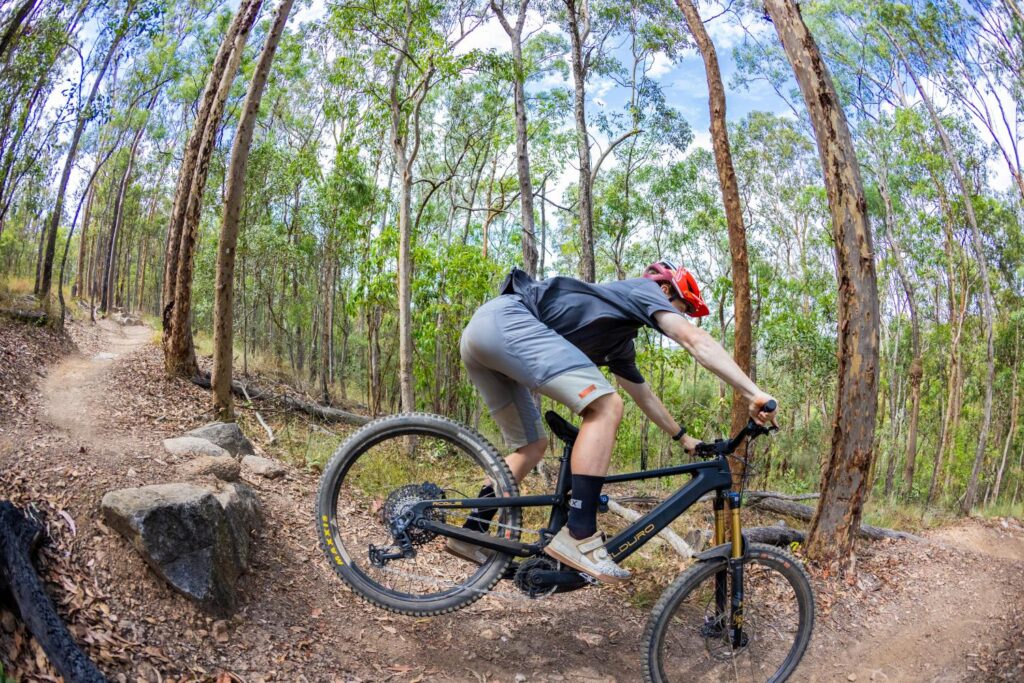
Straight away, the biggest standout is how balanced the setup feels. The DHR II out back does exactly what you expect and honestly, that’s a good thing. Under braking, those paddle-style centre knobs dig in hard, giving a really controlled, predictable feel when things get steep or loose. It tracks straight and holds lines well, even when you’re pushing into blown-out corners – acting a buoy for confidence when things get steep, loose or dicey.
Up front, the Dissector is noticeably faster rolling than something like a Minion DHF or Assegai, without feeling sketchy or unpredictable. There’s still enough bite when you lean it over, especially in dry to mixed conditions. It gives the bike a slightly more playful, lively feel – less ‘planted monster truck’, more ‘fast and reactive’.
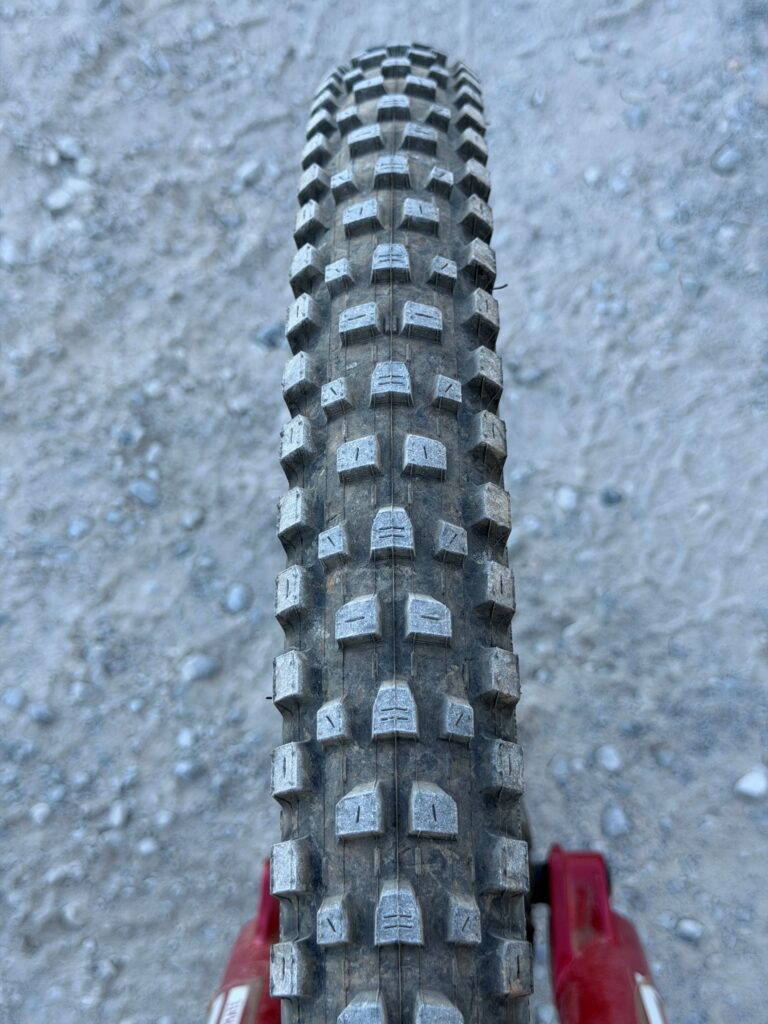
Maxxis’ MaxTerra has always sat in that middle ground. More grip than MaxxSpeed, but without the drag of MaxxGrip and that hasn’t changed in principle. What does feel different is how usable that grip is.I found that compared to former MaxxTerra, there’s a bit more confidence and compliance when transitioning onto the side knobs, especially on hardpack and loose-over-hard. For most trail conditions, it hits that sweet spot where you’re not thinking about the tyres, they just work.
Running EXO+ casing is a solid middle ground for this kind of riding. It’s noticeably more supportive than standard EXO, especially when pushing through compressions or rough sections, and it helps reduce that vague squirm you can feel when riding bigger hits while running lower pressures. At the same time, it doesn’t feel overly heavy or dead – and at around 1kg per end, both tyres sit in the middle (weight wise) of what you would expect for a more aggressive trail setup. Maxxis positions EXO+ as a medium-duty option for trail and light e-bike use, and that lines up pretty well with how it performs.
Really throwing into high speed corners and taking big hits? Both the Dissector and DHR II are available in a more sturdy DoubleDown casing – which would be the go to if lapping higher speed and bigger hits (for example, when spending your summer on the chairlifts at Thredbo).
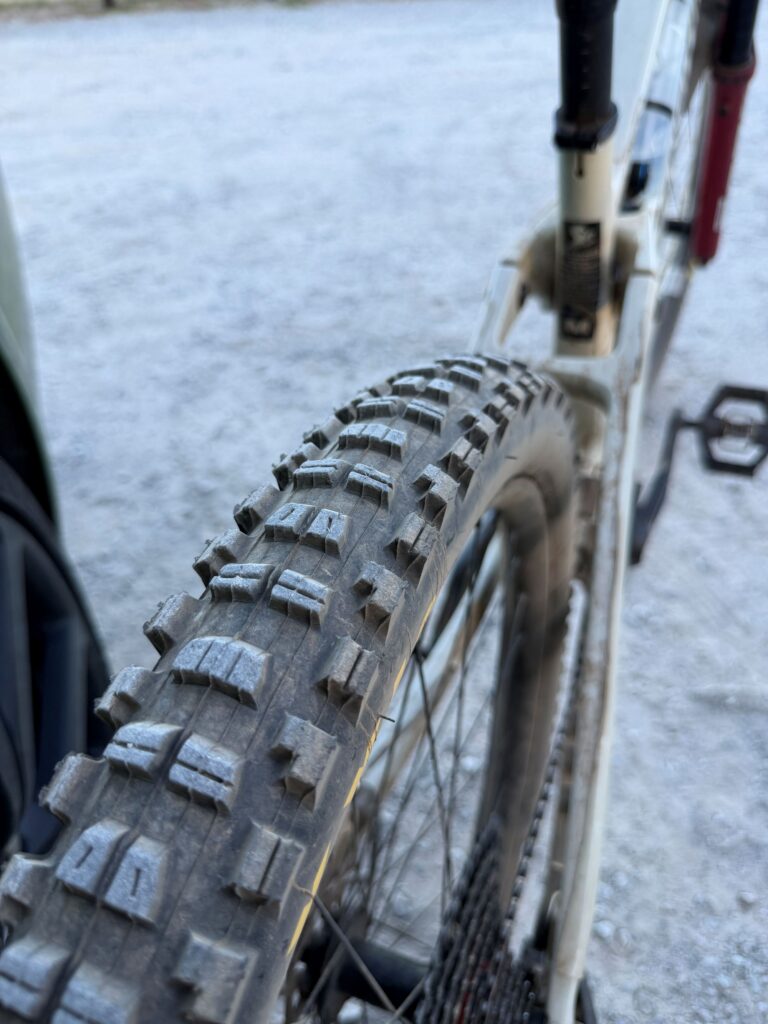
Overall, I’ve had a few weeks of consistent riding on the new MaxTerra compound, and the Dissector/DHR II combo really shines in the super dry and loose-over-hard conditions of South East Queensland, when trail riding and pushing the limits on more aggressive and challenging all-mountain trails. In wetter or more technical terrain, you’ll start to notice the limits of the MaxTerra compound when directly comparing to MaxxGrip – especially on roots and slick rock – but that’s the trade off for efficiency.
In terms of wear, aside from being dusty, they show no meaningful signs of wear, and have held up remarkably by maintaining pressure, with no slices or flats to speak of – a testament to the enduring nature of the MaxTerra compound.
Our Take
After the first few rides, this setup feels like a more refined version of the tried and tested Maxxis trail/enduro range.
This setup rolls fast enough to not feel like you’re dragging a boat-anchor of rubber uphill for the everyday trail rider, but still gives you the confidence to push on descents for those shredding steep and deep on dry trails. The updated MaxTerra compound doesn’t radically change the formula, it just makes it better, reducing wear while increasing grip.
And honestly, for most riders a set-and-forget tyre combo that lasts well and rolls quickly is exactly what they need.